
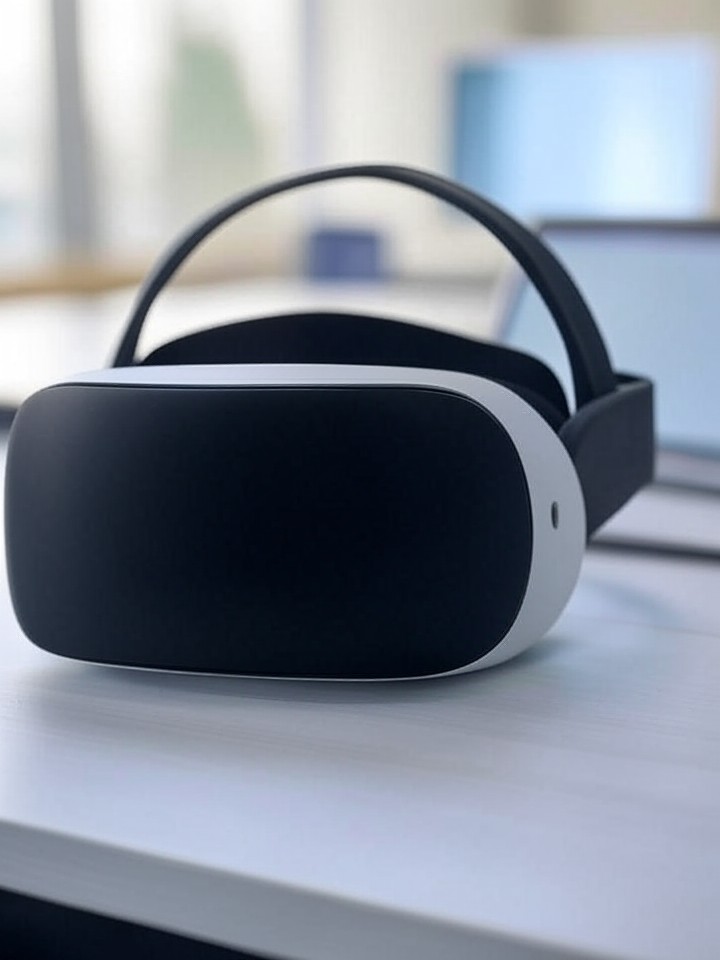
Meta’s Metaverse Retreat: Layoffs Signal the End of a Virtual Dream
In a move that underscores the shifting priorities within one of Silicon Valley’s tech giants, Meta Platforms Inc. has announced the closure of its virtual reality workplace application, Horizon Workrooms, effective February 2026. This decision comes amid a fresh wave of layoffs at the company’s Reality Labs division, highlighting a broader pivot away from ambitious metaverse initiatives toward artificial intelligence investments. According to reports, the app’s shutdown will result in the deletion of all user data, marking a definitive end to what was once touted as a revolutionary tool for remote collaboration.
The announcement, detailed in a recent article from Business Insider, paints a picture of a company reevaluating its commitments after years of heavy spending on virtual reality technologies. Horizon Workrooms, launched in 2021, allowed users to conduct meetings in immersive VR environments, complete with avatars and virtual whiteboards. It was part of Meta’s larger Horizon suite, which aimed to create social and professional spaces in the metaverse. However, adoption rates never met expectations, plagued by technical glitches, limited hardware accessibility, and competition from established video conferencing tools like Zoom and Microsoft Teams.
Insiders suggest that the closure is not isolated but tied to ongoing financial pressures. Reality Labs, the division responsible for Meta’s VR and augmented reality efforts, has reportedly incurred losses exceeding $40 billion since 2019. The latest round of job cuts, estimated at 10% to 15% of the division’s workforce, could affect over 1,000 employees, as noted in coverage from The New York Times. This follows previous restructurings, including a 2024 reorganization that split the hardware division into wearables and metaverse groups, with some layoffs at that time.
Shifting Focus Amid Financial Strain
These developments reflect CEO Mark Zuckerberg’s evolving strategy, which increasingly emphasizes AI over the metaverse vision he championed in 2021 when rebranding Facebook to Meta. Recent posts on X, formerly Twitter, capture industry sentiment, with users lamenting the decline in VR app sales and the departure of key figures like Palmer Luckey and John Carmack from the field. One post highlighted a 27% drop in Quest app sales year-over-year, underscoring the challenges facing the VR ecosystem that Meta has heavily subsidized.
Further insights from CNBC reveal that Meta has also shuttered several VR studios as part of this pivot, redirecting resources to AI-driven projects. This includes advancements in smart glasses like the Ray-Ban collaboration, which have shown more promising commercial traction compared to VR headsets. Analysts point out that while Quest devices have sold millions, the software ecosystem, including Horizon Worlds, has struggled with user retention and engagement.
The layoffs extend to teams working on VR headsets and Horizon Worlds, as reported by TechCrunch, which estimates Reality Labs employed around 15,000 people before the cuts. This reduction is part of a broader cost-cutting effort, with executives discussing budget slashes up to 30% for metaverse-related groups, according to leaks shared on X. Such moves signal a pragmatic response to investor concerns about sustained losses in a division that has yet to deliver profitable returns.
Historical Context of Meta’s VR Ambitions
To understand the current retrenchment, it’s essential to revisit Meta’s VR journey. The acquisition of Oculus in 2014 for $2 billion marked Zuckerberg’s initial bet on immersive technologies, positioning them as the future of social interaction. By 2021, the company poured billions into developing the metaverse, envisioning it as a digital realm where people could work, play, and connect beyond physical constraints.
However, challenges mounted quickly. Early VR hardware faced criticism for causing motion sickness and requiring high-end setups, limiting mass adoption. Horizon Worlds, Meta’s flagship social VR platform, drew mockery for its cartoonish avatars and empty virtual spaces, as evidenced by viral memes and low engagement metrics. Internal memos, such as one leaked in 2025 and discussed on X, emphasized the need for breakthroughs in mixed reality and mobile integration for Horizon Worlds, yet these goals remained elusive.
Comparisons to past tech hype cycles are inevitable. Just as the dot-com bubble burst in the early 2000s, the metaverse enthusiasm has waned, with companies like Disney and Microsoft scaling back similar initiatives, as noted in older X posts from 2023. Meta’s persistence through massive investments made it the de facto leader, but persistent losses—Reality Labs reported a $3.7 billion operating loss in the third quarter of 2025 alone—have forced a reckoning.
Implications for Employees and Innovation
The human cost of these changes is significant. Affected employees in Reality Labs, many of whom specialized in VR development, now face uncertainty in a job market increasingly favoring AI skills. Reports from Android Central indicate that Oculus Studios, responsible for exclusive VR games, could see substantial reductions, potentially stifling innovation in gaming and interactive experiences.
Industry observers argue this shift could accelerate the brain drain from VR. Pioneers like Carmack, who left Meta in 2022 citing bureaucratic hurdles, have voiced frustrations echoed in recent X discussions. Posts from VR developers express concern that Meta’s subsidies propped up the entire sector, and without them, independent studios might struggle to survive.
On the positive side, Meta’s pivot to AI aligns with broader industry trends, where technologies like generative AI are yielding quicker returns. The company’s Llama AI models and integrations into platforms like Instagram and WhatsApp have boosted user engagement and ad revenues, providing a financial buffer for these cuts.
Broader Industry Ripples
The closure of Horizon Workrooms raises questions about the viability of VR in professional settings. While the app offered features like spatial audio and collaborative document editing, it competed against hybrid work tools that don’t require headsets. A The Verge article notes that Meta is also discontinuing related managed services, effectively exiting the enterprise VR market.
This retreat could influence competitors. Apple’s Vision Pro, launched in 2024, has focused on mixed reality for productivity, but sales have been modest. Similarly, startups in the VR space may find funding harder to secure without Meta’s market validation. X posts from industry watchers suggest a potential consolidation, with AI-enhanced wearables like smart glasses emerging as the next battleground.
Financially, Meta’s stock has remained resilient, buoyed by strong core business performance. Investors, as per analysis in The New York Times, view the layoffs as a necessary correction to Zuckerberg’s metaverse gamble, which once consumed over 20% of the company’s capital expenditures.
Strategic Realignment and Future Prospects
Looking ahead, Meta’s leadership has signaled that VR isn’t being abandoned entirely but deprioritized. Investments in next-generation Quest headsets continue, albeit at a reduced scale, with a focus on affordability and integration with AI features. Zuckerberg, in a recent earnings call referenced by CNBC, emphasized that AI would enhance VR experiences, potentially through smarter avatars or automated content creation.
Critics, however, warn that this could dilute Meta’s innovative edge. By pulling back from ambitious projects like Horizon Workrooms, the company risks ceding ground to rivals in emerging tech domains. X sentiment reflects a mix of disappointment and realism, with some users predicting a “VR winter” similar to the AI winters of past decades.
For employees and partners, the layoffs underscore the volatility of betting on unproven technologies. Support programs, including severance and retraining in AI, have been mentioned in internal communications, but their effectiveness remains to be seen, as highlighted in TechCrunch reports.
Ecosystem Effects and Market Dynamics
The ripple effects extend to developers and content creators reliant on Meta’s platforms. With studio closures detailed in Android Central, fewer exclusive titles may hit the Quest store, potentially slowing ecosystem growth. This comes at a time when VR hardware sales are plateauing, with global shipments declining 15% in 2025, according to industry data cited on X.
Competitive pressures are intensifying. ByteDance’s Pico headsets and Sony’s PlayStation VR2 offer alternatives, but none match Meta’s scale. The shift to AI could position Meta to lead in hybrid realities, blending virtual elements with real-world AI assistance, as speculated in recent web searches.
Ultimately, this chapter in Meta’s story illustrates the perils of overcommitting to a single vision. As the company navigates these changes, its ability to balance innovation with fiscal responsibility will determine its place in the evolving tech arena.
Reflections on Technological Evolution
In reflecting on these events, it’s clear that Meta’s metaverse ambitions were ahead of their time, hampered by technological and cultural barriers. The closure of Horizon Workrooms and associated layoffs, as reported across sources like Business Insider and The Verge, serve as a cautionary tale for tech firms chasing the next big thing.
Industry insiders speculate that a resurgence in VR could come with advancements in hardware, such as lighter headsets or brain-computer interfaces, areas where Meta continues limited research. X posts from developers urge continued investment, warning that abandoning VR entirely could forfeit long-term opportunities.
As Meta reallocates resources, the focus on AI may yield dividends, but the virtual reality community watches warily, hoping this pivot doesn’t extinguish the spark of immersive innovation that once defined the company’s boldest dreams.


 WebProNews is an iEntry Publication