
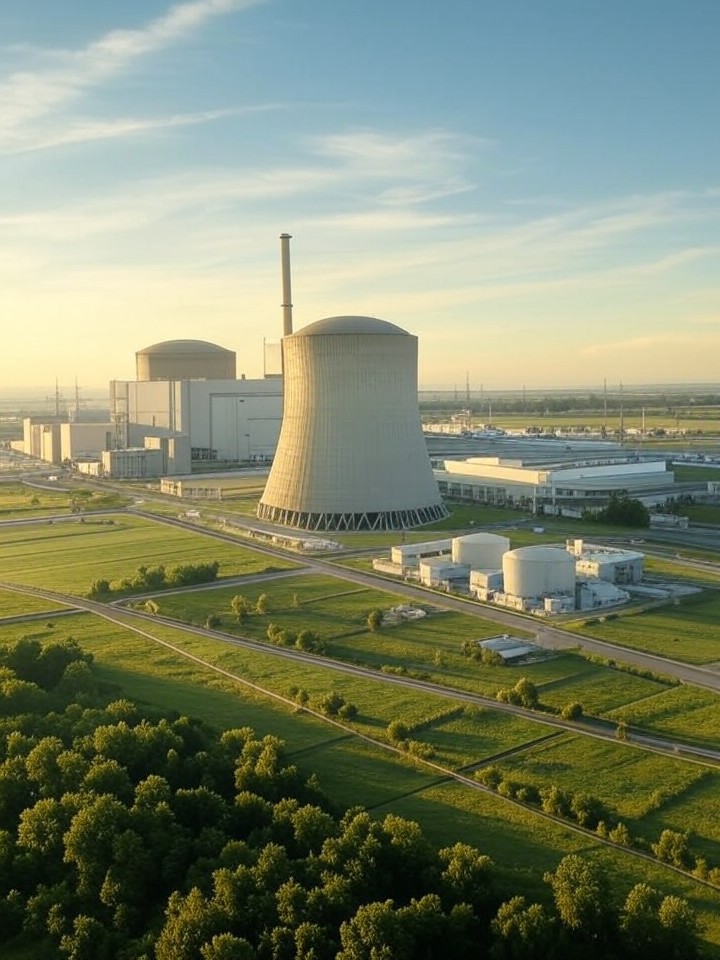
Meta’s Atomic Ambitions: Fueling the AI Boom with Nuclear Might
In a bold move that underscores the escalating energy demands of artificial intelligence, Meta Platforms Inc. has forged groundbreaking agreements with three nuclear energy providers to secure more than 6 gigawatts of clean power. This initiative, announced on January 9, 2026, positions the social media giant as a pivotal player in the resurgence of nuclear energy, driven by the insatiable appetite of data centers powering advanced AI models. The deals involve Vistra Corp., a major utility, along with innovative startups Oklo Inc. and TerraPower LLC, each bringing unique approaches to nuclear technology.
The agreements are structured as 20-year power purchase pacts, ensuring a stable supply of electricity starting in the coming years. Meta’s strategy reflects a broader trend among tech behemoths racing to dominate AI, where reliable, low-carbon energy sources are critical to sustaining massive computational loads. According to details from TechCrunch, these pacts could collectively deliver over 6 gigawatts, enough to energize millions of homes or, in this case, fuel Meta’s ambitious Prometheus AI supercluster.
This isn’t Meta’s first foray into nuclear energy. Posts on X from mid-2025 highlight earlier deals, such as a 20-year agreement with Constellation Energy for 1.1 gigawatts from the Clinton plant in Illinois, set to commence in 2027. That arrangement reportedly saved the facility from potential closure amid expiring subsidies, illustrating how tech investments are revitalizing aging nuclear infrastructure.
Strategic Partnerships in Nuclear Revival
Vistra, one of the largest competitive power generators in the U.S., will supply power from three existing nuclear plants in the heartland. This collaboration not only expands operations but also supports job growth in local communities, as noted in Meta’s official announcement on their About Facebook page. The deal with Vistra is expected to contribute a significant portion of the total capacity, leveraging established reactors to provide immediate reliability.
TerraPower, backed by Microsoft co-founder Bill Gates, is focusing on advanced nuclear designs, including sodium-cooled fast reactors that promise enhanced safety and efficiency. Their involvement in the Meta deals aims to accelerate the development of these next-generation systems, potentially operational by the early 2030s. Similarly, Oklo, supported by OpenAI’s Sam Altman, specializes in small modular reactors (SMRs), which are compact, factory-built units that can be deployed more flexibly than traditional large-scale plants.
These partnerships highlight a shift toward innovative nuclear technologies to meet the tech sector’s needs. As reported by Reuters, Meta’s commitments include buying power from Vistra’s plants and investing in the development of SMR projects with Oklo and TerraPower, signaling a long-term bet on modular solutions to scale energy production rapidly.
Powering the Prometheus Supercluster
At the heart of Meta’s energy strategy is the Prometheus AI supercluster, a colossal computing infrastructure designed to train and run cutting-edge AI models. The supercluster’s energy requirements are staggering, necessitating dedicated power sources that are both abundant and sustainable. Nuclear energy fits this bill perfectly, offering high-density, always-on power with minimal carbon emissions, crucial for Meta’s environmental goals.
Insights from CNBC reveal that these deals are tailored to support the supercluster’s operations, with projections indicating that the secured nuclear capacity could power AI advancements well into the next decade. This move comes amid intensifying competition in AI, where companies like Google and Amazon are also pursuing similar energy strategies, though Meta’s scale sets a new benchmark.
The economic implications are profound. Vistra’s stock surged up to 16% following the announcement, as per market updates on Yahoo Finance, reflecting investor enthusiasm for tech-driven demand in the energy sector. Such investments could inject billions into nuclear development, fostering innovation and potentially lowering costs through economies of scale.
Geopolitical and Competitive Edges
Meta executives frame these deals as essential for maintaining U.S. leadership in AI, particularly against rivals like China. Joel Kaplan, Meta’s chief global affairs officer, emphasized in a Fox Business interview that nuclear investments will help the U.S. “win” the AI race by ensuring energy security and technological superiority. This perspective aligns with broader national interests, as AI’s growth is seen as a strategic asset.
The agreements also address regulatory and infrastructural challenges. Nuclear power has faced hurdles from safety concerns and high upfront costs, but tech backing could streamline approvals and funding. For instance, TerraPower’s projects benefit from Gates’ influence, while Oklo’s SMRs are designed for quicker deployment, potentially bypassing some traditional regulatory delays.
Moreover, these pacts contribute to decarbonization efforts. With data centers accounting for a growing share of global electricity consumption—estimated at 1-3% currently and projected to rise—nuclear offers a path to green computing. Meta’s commitments, detailed in a NucNet report, underscore how tech firms are driving the nuclear renaissance to align with sustainability mandates.
Economic Ripple Effects and Industry Shifts
The scale of Meta’s deals—up to 6.6 gigawatts by the mid-2030s—positions the company among the world’s largest corporate nuclear buyers, as highlighted by Bloomberg. This capacity rivals that of entire cities, illustrating the transformative impact of AI on energy markets. Analysts predict that such arrangements could stabilize power prices and encourage further investments in nuclear tech.
From an industry insider’s viewpoint, these developments signal a convergence of tech and energy sectors. Traditional utilities like Vistra gain long-term revenue streams, while startups like Oklo and TerraPower secure funding to prototype and scale their innovations. Posts on X from financial analysts, such as those tracking stock movements in $OKLO and $VST, indicate heightened market interest, with shares reacting positively to the news.
However, challenges remain. Nuclear projects often face delays due to complex permitting processes and public opposition. Meta’s involvement might mitigate some risks through advocacy and financial backing, but insiders note that SMRs, while promising, are still in early stages, with Oklo aiming for its first commercial reactor by 2027.
Innovation in Small Modular Reactors
Diving deeper into the technology, small modular reactors represent a paradigm shift. Oklo’s designs, for example, use recycled nuclear fuel and operate without water cooling, reducing waste and enhancing safety. TerraPower’s Natrium reactor incorporates energy storage, allowing it to complement intermittent renewables like solar and wind.
These advancements are crucial for data centers, which require uninterrupted power. As AI models grow more complex, demanding exascale computing, nuclear’s baseload reliability becomes indispensable. A CBS News piece notes that Meta’s deals are part of a pattern where tech giants are turning to nuclear to avoid grid strain from surging demand.
Economically, the agreements promise job creation. Meta’s press release mentions fostering growth in American communities, potentially adding thousands of positions in construction, operations, and R&D. This could revitalize rust-belt regions where nuclear plants are located, blending tech innovation with industrial revival.
Broader Implications for Tech and Energy
Looking ahead, Meta’s nuclear push could inspire similar moves by other firms. Amazon and Microsoft have already inked nuclear deals, but Meta’s multi-gigawatt scope amplifies the trend. Insiders speculate this might lead to a new era of corporate-led energy infrastructure, where tech companies directly influence power generation.
Geopolitically, securing domestic nuclear supply chains reduces reliance on foreign energy, enhancing national security. With AI seen as a cornerstone of economic competitiveness, these investments align with policy goals, possibly attracting government incentives.
Yet, risks persist, including potential cost overruns and technological setbacks. Nuclear’s history of delays tempers optimism, but the involvement of visionary backers like Gates and Altman adds credibility. As one X post from a market trends account observed, this follows Meta’s 2025 deal with Constellation, building a portfolio of nuclear assets to power its AI ambitions.
Navigating Regulatory and Public Hurdles
Regulatory landscapes pose another layer of complexity. The Nuclear Regulatory Commission must approve new reactor designs, a process that can take years. Meta’s deals include support for expediting these, potentially through lobbying for streamlined reviews.
Public perception is shifting, with growing acceptance of nuclear as a climate solution. Tech’s endorsement helps, framing it as essential for innovation rather than a relic of the past. Still, environmental groups scrutinize waste management and safety, demanding rigorous oversight.
In terms of financials, these pacts represent massive capital commitments. While exact figures aren’t disclosed, estimates suggest billions in investments, offset by long-term energy cost savings and carbon credits.
The Future of AI-Powered Energy Strategies
Ultimately, Meta’s nuclear deals exemplify how AI is reshaping energy paradigms. By locking in gigawatts of clean power, the company ensures scalability for future AI breakthroughs, from enhanced social platforms to generative tools.
This integration of tech and nuclear could accelerate global energy transitions, promoting sustainable growth. As competition intensifies, expect more such alliances, blending Silicon Valley ingenuity with atomic energy’s might.
For industry observers, these developments mark a pivotal moment, where data-driven empires drive the next wave of power innovation, securing their dominance in an AI-centric world.


 WebProNews is an iEntry Publication