
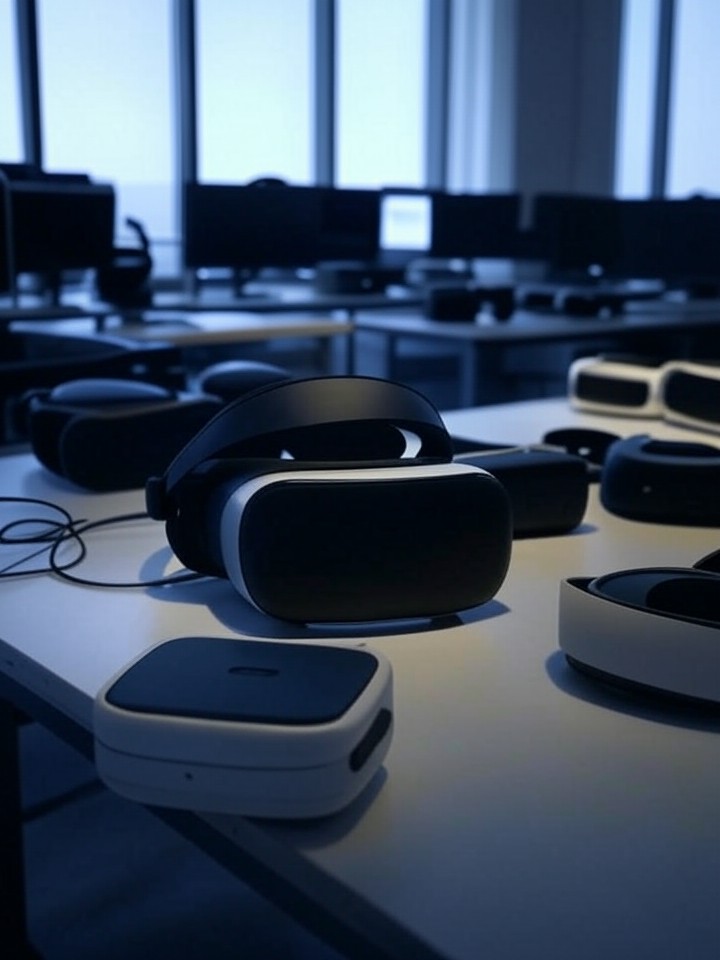
Meta’s Virtual Reality Reckoning: Layoffs Signal a Pivot Away from Gaming Ambitions
Meta Platforms Inc. has initiated a significant restructuring within its Reality Labs division, resulting in the closure of three prominent virtual reality game studios and widespread layoffs. According to reports, the company is laying off approximately 10% of its Reality Labs workforce, affecting around 1,000 employees. This move comes as Meta shifts its focus from ambitious metaverse projects toward artificial intelligence and wearable technologies, marking a notable retreat from its earlier investments in VR gaming.
Employees from the affected studios—Twisted Pixel Games, Sanzaru Games, and Armature Studio—have taken to social media to announce their departures, highlighting the abrupt nature of the cuts. Twisted Pixel, known for the recent release of Marvel’s Deadpool VR in November 2025, was in the midst of celebrating its latest title when the shutdown was announced. Sanzaru Games, developers of the acclaimed Asgard’s Wrath series, and Armature Studio, behind the VR adaptation of Resident Evil 4, are also being shuttered, leaving a void in Meta’s first-party VR content creation.
The layoffs are part of a broader cost-cutting strategy at Meta, which has been grappling with substantial losses in its Reality Labs unit. Financial reports indicate that the division has incurred billions in operating losses as Meta poured resources into building its vision of the metaverse. This latest round of cuts underscores the challenges faced by the company in monetizing VR technologies amid slowing adoption rates and intensifying competition in the tech sector.
Shifting Priorities in Tech’s Extended Reality Realm
Industry analysts suggest that Meta’s decision reflects a strategic pivot toward more immediately profitable ventures, such as AI integration and smart wearables like the Ray-Ban Meta glasses. Sources close to the matter indicate that while VR hardware like the Quest headsets continues to sell, the software ecosystem has not generated the expected returns. This has prompted Meta to reevaluate its commitments to in-house game development.
Former employees have expressed frustration over the timing, with some noting that the studios were actively working on unannounced projects. For instance, Twisted Pixel had a history of innovative titles, including the Splosion Man series, and its acquisition by Meta in 2019 was seen as a boost to the company’s VR portfolio. The sudden closure raises questions about the future support for existing titles and the broader implications for VR game developers reliant on Meta’s platforms.
Comparisons to previous tech industry shakeups are inevitable. Similar to how other giants like Microsoft have scaled back on certain divisions during economic pressures, Meta’s actions appear driven by a need to streamline operations. Reports from The Verge detail how affected workers learned of the changes through internal communications, with some studios being entirely dissolved rather than merely downsized.
Impact on Developers and the VR Ecosystem
The shutdowns have sent ripples through the VR development community, with many fearing a contraction in high-quality content for Meta’s Quest platform. Sanzaru Games, acquired by Meta in 2020, had been a key player in delivering immersive experiences, and its Asgard’s Wrath 2 was hailed as one of the best VR games of recent years. The loss of such talent could deter independent developers from investing heavily in Meta’s ecosystem.
On social platforms like X, formerly Twitter, posts from laid-off employees and industry observers express dismay and speculation about Meta’s long-term commitment to VR. One post highlighted the irony of closing studios shortly after successful launches, pointing to a potential misalignment between corporate strategy and creative output. This sentiment echoes broader concerns in the gaming industry, where layoffs have become increasingly common amid economic uncertainties.
Further insights from Kotaku reveal that Meta is chasing AI advancements instead of bolstering its gaming arm, a shift that aligns with CEO Mark Zuckerberg’s recent emphasis on artificial intelligence as the company’s next frontier. This pivot is not isolated; competitors like Apple have entered the mixed-reality space with products like Vision Pro, pressuring Meta to differentiate its offerings.
Financial Pressures Driving Corporate Decisions
Meta’s financial disclosures paint a picture of a division under strain. In the most recent quarter, Reality Labs reported losses exceeding $3 billion, a figure that has drawn scrutiny from investors. The company’s stock has fluctuated in response to these developments, with some analysts viewing the layoffs as a positive step toward fiscal responsibility. However, critics argue that abandoning VR studios could undermine user engagement on Meta’s hardware.
Interviews with former Meta executives, as reported in various outlets, suggest internal debates over resource allocation. One anonymous source indicated that while hardware sales are robust, the high costs of game development have not yielded proportional revenues. This has led to a reevaluation of partnerships with third-party developers rather than maintaining in-house teams.
Coverage from Insider Gaming confirms the scale of the layoffs, noting that at least 10% of Reality Labs staff are impacted, with the studio closures being a central component. This move follows a pattern of restructurings at Meta, including previous cuts in 2023 and 2024 that affected other divisions.
Broader Implications for Innovation in Immersive Tech
The closures also highlight the volatile nature of the tech industry’s forays into emerging fields. Twisted Pixel, founded in 2006 and known for quirky, humor-driven games, represented a creative spark in Meta’s lineup. Its shutdown, along with the others, may signal a more conservative approach to content creation, potentially stifling innovation in VR narratives and mechanics.
Community reactions on platforms like Reddit, particularly in virtual reality forums, show a mix of disappointment and resignation. Discussions point to Meta’s Horizon Worlds as a lingering metaverse project that has yet to capture widespread appeal, further questioning the company’s direction. Some users speculate that these cuts could accelerate a shift toward user-generated content or licensed IPs rather than original developments.
Insights from UploadVR emphasize the specific titles affected, such as Deadpool VR and Resident Evil 4 VR, underscoring the loss of specialized expertise in porting and creating VR experiences. This could lead to a slowdown in premium VR game releases, affecting consumer interest in the medium.
Strategic Realignments and Future Prospects
Meta’s leadership has publicly stated intentions to balance investments across AI, wearables, and extended reality. In a recent earnings call, Zuckerberg highlighted the success of Ray-Ban Meta glasses as a model for future products, suggesting a preference for accessible, everyday tech over niche gaming hardware. This realignment may help stabilize finances but risks alienating the core VR enthusiast base.
Analysts from firms like Gartner predict that while VR adoption grows slowly, the market could reach significant valuations by the end of the decade. However, without strong content support, Meta’s dominance might erode. The company’s history of acquisitions—Twisted Pixel in 2019, Sanzaru in 2020, and Armature’s involvement in key projects—now seems like a chapter closing prematurely.
Reporting from Polygon describes the atmosphere as one where VR gaming at Meta appears “dead,” with mass layoffs signaling a definitive pullback. This perspective is echoed in industry circles, where there’s concern over talent dispersion and its impact on innovation.
Human Stories Behind the Corporate Moves
Beyond the numbers, the layoffs affect hundreds of individuals with specialized skills in VR development. Personal accounts shared on X reveal stories of sudden job loss, with some developers expressing uncertainty about future employment in a shrinking field. One post from a former Sanzaru employee lamented the end of collaborative projects that pushed VR boundaries.
Support networks have emerged, with job listings and networking events popping up in response. Industry veterans advise affected workers to pivot toward AI or mobile gaming, areas seeing growth. This human element underscores the broader instability in tech employment, where rapid shifts in corporate strategy can upend careers.
Details from Shacknews note the recent launch of Deadpool VR, adding to the sense of whiplash for teams that delivered successful products only to face closure. Such narratives highlight the disconnect between creative achievements and business imperatives.
Navigating Uncertainty in Emerging Markets
As Meta navigates these changes, questions linger about the sustainability of its metaverse vision. The company’s initial hype around virtual worlds has tempered, with focus now on practical applications like augmented reality in wearables. This could position Meta better against rivals, but at the cost of its gaming heritage.
Partnerships with external studios may fill the content gap, though doubts remain about their ability to match the quality of in-house productions. Observers suggest that Meta could license more franchises to bolster its library, drawing from successful models in traditional gaming consoles.
Finally, insights from Game Developer confirm the shuttering of the three studios amid the broader layoffs, painting a picture of a company in transition. While the immediate fallout is painful, it may pave the way for a more focused approach to immersive technologies, potentially benefiting the sector in the long run through refined strategies and resource allocation.
The evolving dynamics at Meta reflect broader trends in tech, where adaptability is key to survival. As the dust settles, the industry will watch closely to see if this pivot reinvigorates Reality Labs or signals a deeper retreat from virtual frontiers.


 WebProNews is an iEntry Publication