
Meta’s Ambitious Leap into Mixed Reality Hits a Speed Bump
Meta Platforms Inc. has pushed back the launch of its highly anticipated mixed-reality glasses, code-named Phoenix, to 2027, according to recent reports. This delay comes as the company seeks to refine the product amid intensifying competition in the augmented and virtual reality space. An internal memo, as detailed by Business Insider, reveals that Meta’s leadership is prioritizing quality over speed, aiming to “get the details right” before bringing the device to market.
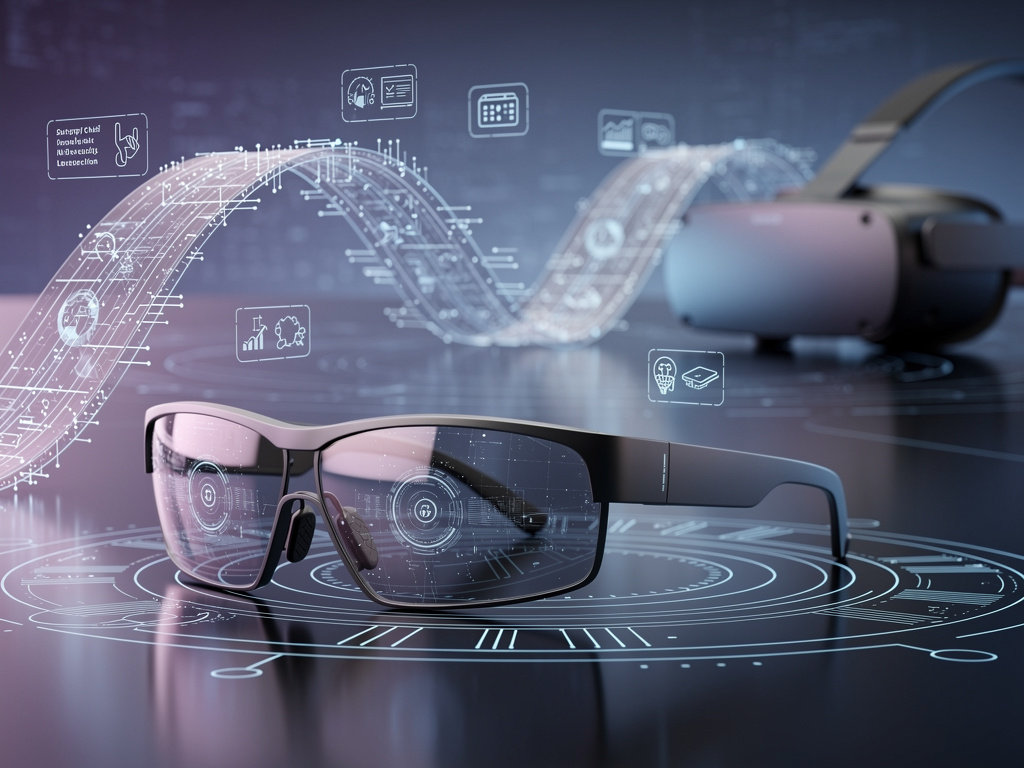
The Phoenix glasses represent Meta’s bold step toward a more seamless integration of digital and physical worlds, blending elements of augmented reality with everyday eyewear. Unlike the company’s existing Quest VR headsets or Ray-Ban smart glasses, Phoenix is envisioned as a lightweight device with advanced capabilities, potentially rivaling Apple’s Vision Pro. Sources indicate that the glasses would feature a form factor similar to Apple’s offering, including a separate puck-like battery pack to maintain a slim profile.
This isn’t the first setback for Meta’s ambitious hardware plans. The company, formerly known as Facebook, has invested billions in its Reality Labs division, betting big on the metaverse vision championed by CEO Mark Zuckerberg. However, challenges in hardware development, supply chain issues, and market readiness have repeatedly forced adjustments to timelines.
Tracing the Roots of Meta’s Reality Ambitions
Zuckerberg’s enthusiasm for immersive technologies dates back to the 2014 acquisition of Oculus VR, which laid the foundation for Meta’s current lineup of Quest headsets. Over the years, the company has iterated on VR hardware, but mixed reality—where digital overlays interact with the real world—presents new hurdles. Reports from TechCrunch suggest that Phoenix was initially slated for a late 2026 release, but internal evaluations prompted the extension to early 2027.
Industry insiders point to technical complexities as a primary reason for the delay. Developing glasses that are comfortable for all-day wear while packing in high-resolution displays, sensors, and processing power is no small feat. Meta’s engineers are reportedly grappling with issues like battery life, heat management, and optical clarity, which must be resolved to avoid the pitfalls seen in early VR adopters, such as motion sickness and user discomfort.
Moreover, the competitive environment has evolved rapidly. Apple’s entry with the Vision Pro in 2023 set a high bar, blending premium hardware with intuitive software. Meta’s delay allows time to incorporate lessons from Apple’s market reception, where pricing and app ecosystem played crucial roles in adoption rates. As noted in discussions on platforms like X, formerly Twitter, users and analysts speculate that Meta is avoiding a rushed launch that could damage its reputation in this nascent field.
Unpacking the Internal Memo and Strategic Shifts
The internal memo, cited by Business Insider, outlines not just the Phoenix delay but also hints at broader product roadmaps. For instance, Meta plans to introduce a device code-named Malibu 2 in 2026, which could serve as a bridge to more advanced wearables. This staggered approach suggests a strategic pivot, focusing on incremental innovations rather than a single groundbreaking release.
Reasons for the postponement include a desire to enhance user experience and ensure reliability. Zuckerberg himself has emphasized the importance of “taking extra time to deliver,” as reported in a recent piece by Benzinga. This caution stems from past experiences, such as the mixed reception to earlier Quest models, where software bugs and hardware limitations frustrated early users.
Beyond technical refinements, market dynamics play a role. The mixed-reality sector has seen slower growth than anticipated, with consumer adoption hampered by high costs and limited practical applications. Posts on X from industry watchers, including analysts like Brad Lynch, highlight previous cancellations and delays in Meta’s partnerships, such as the scrapped collaboration with LG Electronics, underscoring the volatility in this arena.
Technological Challenges in Mixed-Reality Development
At the heart of Phoenix’s design are cutting-edge components like micro-OLED displays and advanced eye-tracking features, which Meta intends to repurpose in other products if needed. However, integrating these into a glasses form factor requires overcoming significant engineering obstacles. For example, achieving a wide field of view without bulky lenses has been a persistent issue, as evidenced by earlier prototypes that aimed for around 50 degrees but faced reductions.
Supply chain constraints further complicate matters. Global shortages of specialized chips and displays, exacerbated by geopolitical tensions, have forced many tech firms to revise timelines. Meta’s delay aligns with similar postponements in the industry, where companies like Google have shelved AR projects amid economic pressures.
Additionally, software ecosystem development is critical. Phoenix would need a robust app store and seamless integration with Meta’s social platforms to succeed. Drawing from Reuters, the memo indicates that Meta is investing in AI-driven interfaces to make interactions more intuitive, potentially leveraging advancements from its Llama models to enhance virtual assistants within the glasses.
Competitive Pressures and Market Implications
Apple’s Vision Pro, priced at $3,499, has captured significant attention but also highlighted the challenges of mass-market appeal. Meta, aiming for a more accessible price point, must balance affordability with premium features. The delay to 2027 gives Meta breathing room to observe how Apple’s ecosystem evolves, including developer support and consumer feedback.
Other players, such as Microsoft with its HoloLens and emerging startups, add to the pressure. Meta’s strategy appears to involve diversifying its portfolio, with wearables like the next-gen Ray-Ban glasses incorporating lighter AR elements. Insights from The Indian Express describe mixed reality as a fusion of AR and VR, allowing real-world and digital interactions, which Phoenix aims to master.
On X, sentiment reflects a mix of disappointment and understanding. Users note that previous delays, such as the 2024 cancellation of a high-end headset project reported by The Information, indicate Meta’s willingness to pivot. This pattern suggests a maturing approach, prioritizing long-term viability over short-term hype.
Financial Stakes and Investor Reactions
Meta’s Reality Labs division has been a financial black hole, reporting losses exceeding $10 billion annually. The Phoenix delay could exacerbate investor concerns, but it also signals fiscal prudence. By extending the timeline, Meta avoids potential recalls or negative reviews that could further dent confidence.
Stock reactions have been muted, with shares dipping slightly following the news, as per market analyses. However, Zuckerberg’s track record of bold bets— from Instagram acquisitions to AI investments—lends credibility to this patient strategy. The company is also exploring therapeutic applications, such as using VR for mental health, to broaden appeal beyond gaming.
Looking ahead, the 2026 release of Malibu 2 could test waters for Phoenix’s technologies. Described in the internal memo as a wearable device, it might focus on fitness or productivity, building user familiarity with mixed-reality interfaces.
Broader Industry Trends and Future Prospects
The pushback aligns with a wider trend of tempered expectations in tech hardware. Economic uncertainties, including inflation and supply disruptions, have led firms like Sony and HTC to scale back VR ambitions. Meta’s move underscores the need for sustainable innovation in a field where hype often outpaces delivery.
Experts predict that by 2027, advancements in battery tech and AI could make devices like Phoenix more viable. For instance, improvements in edge computing might reduce reliance on tethered power sources, addressing current limitations.
Consumer education remains key. Many potential users are unfamiliar with mixed reality’s benefits, from enhanced remote collaboration to immersive entertainment. Meta’s marketing efforts, including partnerships with content creators, will be crucial in bridging this gap.
Lessons from Past Delays and Strategic Adaptations
Historically, Meta has navigated similar challenges. The 2022 hold on new headset projects, as tweeted by analyst Ming-Chi Kuo, reflected a slowdown in metaverse hardware amid market skepticism. Yet, the company rebounded with updates to its Quest line, incorporating better haptics and resolution.
This resilience is evident in Phoenix’s development. By delaying, Meta can integrate feedback from beta testers and refine features like gesture recognition, which could set it apart from competitors.
Furthermore, regulatory considerations loom. Privacy concerns with always-on cameras in smart glasses have prompted scrutiny from bodies like the FTC. Meta’s extra time allows for bolstering data protection measures, potentially averting legal hurdles.
Voices from the Community and Expert Insights
Discussions on Reddit’s virtual reality subreddit, with threads garnering thousands of views, express frustration but also optimism about Meta’s commitment. Users speculate on features like seamless integration with social apps, envisioning Phoenix as a tool for virtual meetings or augmented shopping.
Analysts like those at Mezha emphasize that the delay is about improving product quality, not abandonment. This perspective is echoed in X posts, where tech enthusiasts note Meta’s history of iterating based on user input.
In the broader context, Phoenix’s success could redefine daily computing, much like smartphones did. By 2027, with maturing technologies, Meta might finally deliver on Zuckerberg’s vision of a connected, immersive future.
Evolving Visions for Immersive Tech
As Meta refines Phoenix, it continues to invest in complementary areas. Recent hires in Reality Labs, including AR experts, signal a strengthened team poised to tackle remaining challenges.
The delay also opens doors for collaborations. Past attempts with LG may have faltered, but new partnerships could accelerate progress in display tech or software.
Ultimately, this postponement reflects a calculated risk in a high-stakes game. With billions at stake, Meta’s focus on perfection could pay off, positioning Phoenix as a game-changer in mixed reality.


 WebProNews is an iEntry Publication