
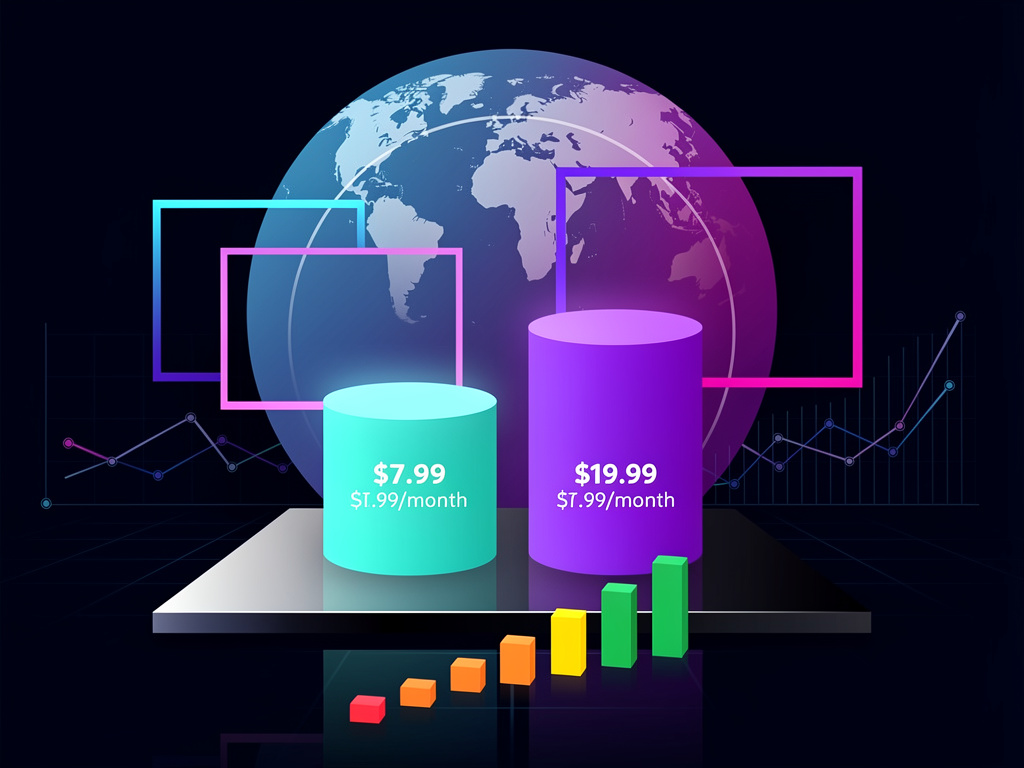
Meta Platforms is moving fast to turn its heavy AI bets into direct revenue. The company announced Wednesday it will test paid subscriptions for its Meta AI chatbot and tools next month. Two tiers: Meta One Plus at $7.99 a month. Meta One Premium at $19.99. Both sit atop a free version that stays available.
Testing begins in Singapore, Guatemala and Bolivia. The plans promise more capacity. Bigger, more complex requests. Extra room for image and video generation. Premium delivers deeper reasoning through what the company calls “thinking mode.” Naomi Gleit, Meta’s head of product, laid it out in an Instagram video. “Give people who use Meta AI more to work with, more capacity, bigger, more complex requests, and more room to create for businesses and creators,” she said. She added that the company offers “premium tools that allow you to enhance presence, supercharge content, automate tasks, and protect your brand.”
From Free Chatbot to Paid Power Tool
This marks a clear shift. Meta launched its standalone Meta AI app last year. CEO Mark Zuckerberg floated the idea of subscriptions as the model improved. Now the experiment has arrived. The free tier handles everyday queries. Paid users get higher limits on compute-intensive tasks. Think extended conversations. Advanced image creation. Video remixing at scale. And integration with tools built on Meta’s Llama models.
But the AI push doesn’t stand alone. Last January Meta outlined broader subscription tests across Instagram, Facebook and WhatsApp, according to TechCrunch. Those plans targeted productivity features, creative controls and expanded AI access while keeping core apps free. They remain separate from Meta Verified badges aimed at creators. The new Meta One branding now pulls these efforts together. It signals an umbrella strategy to test what users value enough to pay for.
Meta acquired Manus, an AI agent startup, for a reported $2 billion late last year. Plans call for scaling that technology inside subscriptions. Early screenshots showed shortcuts to Manus appearing in Instagram. The company also intends to move Vibes — its AI short-form video generator — to a freemium model. Users could create and remix videos for free up to a limit. Subscriptions unlock more monthly generations. These moves build on years of open-source Llama releases that drove adoption but generated little direct income.
Analysts see the tests as necessary. Meta’s capital spending on AI infrastructure runs into tens of billions annually. Advertising still accounts for the vast majority of revenue. Even modest conversion rates among its billions of users could change the math. One investor calculation shared on X suggested that capturing a small percentage of monthly active users at the higher tier would generate hundreds of millions in new monthly revenue. Bold numbers. Yet they highlight the stakes.
Competitors already charge. OpenAI offers ChatGPT Pro at $200 monthly for top access. Anthropic has tiers reaching similar heights. xAI launched a $300 plan with its Grok 4 model. Google sells AI subscriptions at varying price points, including low-cost options in markets like India. Meta enters this field with lower prices and massive distribution through its social apps. The bet is that convenience and integration will drive uptake where pure performance might not.
Early reaction mixed. Some X users questioned whether longtime free users would convert. “Meta’s AI subscription won’t work. Their users have spent 20 years getting everything for free,” one posted. Others pointed to the scale. If even 1% of 3.5 billion monthly users paid $20, the annual run rate would exceed $8 billion. Optimistic assumptions, of course. Real uptake will depend on perceived value.
Meta says it will listen to feedback as tests expand. More countries are expected later. The company also plans separate tests for creator and business subscriptions in markets including Saudi Arabia, Morocco, Thailand and Bangladesh. Those roll out this week under the Meta One label. The goal appears straightforward: find pricing and feature mixes that feel worth the monthly fee without alienating the free audience that fuels the ad business.
Success here could ease pressure on Meta’s balance sheet. Failure might reinforce the view that social users resist paying for tools they consider enhancements rather than necessities. Either way, the tests represent concrete progress on monetizing AI after years of heavy investment and open model releases. The results from these three initial markets will shape how aggressively Meta pushes subscriptions globally.
And the timing matters. AI capabilities continue to advance rapidly. Higher compute tiers today may feel essential tomorrow. Meta’s approach keeps the door open for both casual users and power users. Free for basics. Paid for serious creation and reasoning. It’s a model many tech giants now chase. Meta just made its opening move official.


 WebProNews is an iEntry Publication