
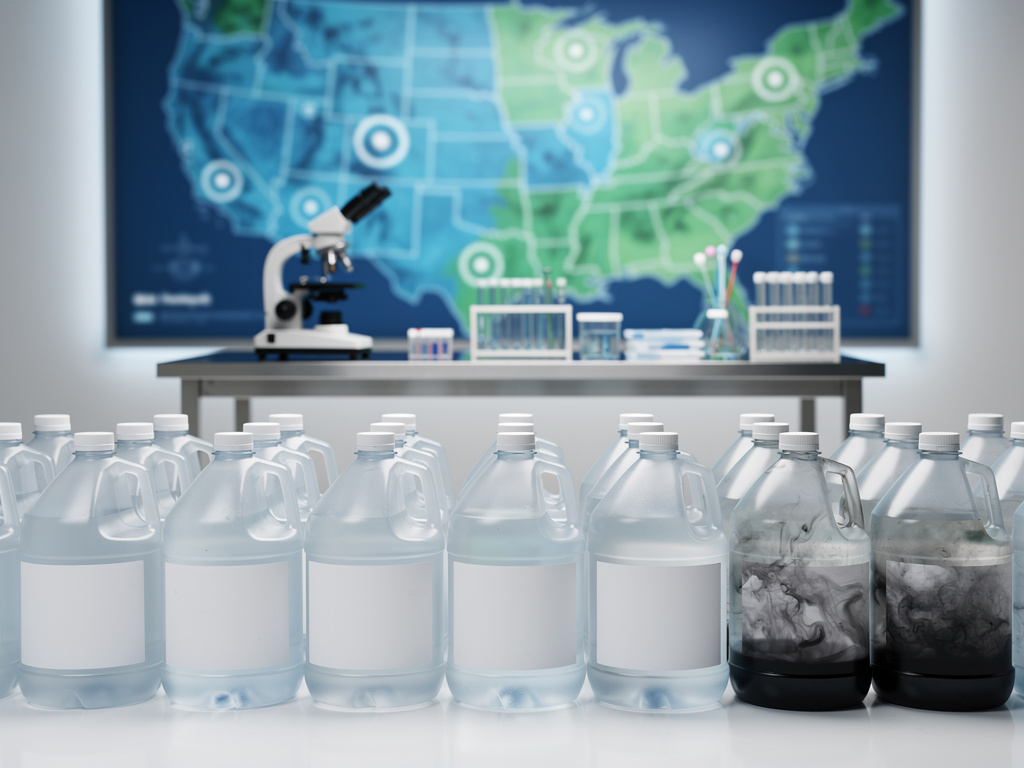
Meijer, the Michigan-based grocery giant, has pulled nearly 39,000 gallons of its steam distilled water from shelves across six Midwest states after consumers reported a mysterious black substance floating in the jugs. The voluntary recall, flagged by the U.S. Food and Drug Administration in a recent enforcement report, targets one-gallon plastic containers with red caps, marked with lot code 39-222 #3 and a best-by date of October 4, 2026. No illnesses have been linked to the product, but the incident exposes vulnerabilities in bottled water production amid rising consumer scrutiny of private-label goods.
The affected water was sold at Meijer stores in Illinois, Indiana, Kentucky, Michigan, Ohio, and Wisconsin starting in late 2025. According to the Fox Business report, the recall covers exactly 38,043 units, initiated in November 2025 when the foreign material was first detected. The FDA classified it as a Class III recall, indicating low risk of adverse health effects, yet advising immediate disposal to err on the side of caution.
Contamination Detection and Initial Response
Details on the black substance remain sparse, described only as an ‘unidentified foreign black substance’ in official notices. Meijer, which operates over 250 supermarkets, produces the distilled water in-house for uses like CPAP machines, irons, and humidifiers—not for drinking. The Independent reported that the recall stems from routine quality checks uncovering the particles, prompting swift action to halt distribution (The Independent).
Consumers spotting the lot code are urged to return the jugs for refunds or dispose of them safely. The FDA’s involvement underscores the agency’s oversight of even non-potable bottled products under the Federal Food, Drug, and Cosmetic Act. As of January 16, 2026, no updates indicate resolution of the investigation into the substance’s origin.
Scale of Distribution and Inventory Impact
With 38,043 gallons—equivalent to over 500,000 one-liter bottles—the recall represents a significant inventory hit for Meijer. USA Today noted the product’s popularity in gallon jugs for household appliances, amplifying potential exposure (USA Today). Stores in the six states have posted signage and trained staff to process returns, though exact financial losses remain undisclosed.
Meijer’s private-label strategy, which drives loyalty through affordable essentials, now faces testing. The chain’s steam distilled water, priced competitively, competes with brands like Great Value and Niagara. This event highlights risks in vertical integration, where retailers control production but inherit full liability.
Regulatory Framework and FDA Protocols
The FDA’s enforcement report, published last week, details Meijer’s corrective measures, including enhanced filtration and supplier audits. Delish reported the ‘floating black foreign substance’ as the key trigger, with no reports of consumer harm (Delish). Class III status reflects the distilled nature of the product, purified to remove minerals but not immune to post-processing contaminants.
Under 21 CFR 129, bottled water producers must adhere to current good manufacturing practices, including microbial testing and foreign material prevention. Meijer’s response aligns with these, but the incident raises questions about equipment maintenance, possibly linked to carbon filters or bottling lines.
Industry Parallels and Historical Precedents
This recall echoes past bottled water scares, such as the 2023 Niagara incident involving plastic bits. Allrecipes highlighted the FDA’s alert on over 38,000 gallons, urging vigilance (Allrecipes). For retailers, such events disrupt supply chains and erode trust in store brands, which account for 20% of U.S. grocery sales.
Meijer’s scale—$20 billion in annual revenue—buffers the hit, but repeated issues could prompt shifts to third-party suppliers. NewsNation emphasized the red-capped jugs’ visibility on shelves, aiding consumer identification (NewsNation).
Consumer Impact and Safety Protocols
Health officials stress that distilled water’s non-drinkable intent minimizes risks, yet misuse for consumption or aquariums amplifies concerns. The Independent’s coverage stressed no illnesses reported, with disposal recommended to prevent accidental use (The Independent).
Meijer has ramped up communication via store alerts and its website, directing customers to a dedicated recall page. Fox 8 noted the sheer volume recalled, nearly 39,000 gallons, as a testament to proactive measures (Fox 8).
Supply Chain Vulnerabilities Exposed
Distilled water production involves reverse osmosis and steam processes prone to particulate intrusion from machinery wear. Parade detailed the six-state footprint, warning of broader Midwest availability (Parade). Industry insiders point to aging infrastructure as a culprit, with post-pandemic supply strains exacerbating maintenance delays.
For Meijer, this underscores the trade-offs of in-house manufacturing: cost control versus quality assurance overhead. Ongoing FDA probes may reveal root causes, potentially mandating line shutdowns or retooling.
Broader Implications for Retail Private Labels
As private-label penetration grows—now 25% in beverages per Nielsen data—recalls like this test resilience. Meijer’s handling, transparent and swift, sets a benchmark, but stakeholders watch for litigation or class actions despite the Class III rating. The black substance’s identity, once pinpointed, could reshape protocols across the sector.
Current web searches and X posts as of January 16, 2026, show no new developments from Meijer, with sentiment focused on consumer alerts rather than backlash. This recall, while contained, signals retailers to fortify quality gates in an era of hyper-vigilant shoppers.


 WebProNews is an iEntry Publication