
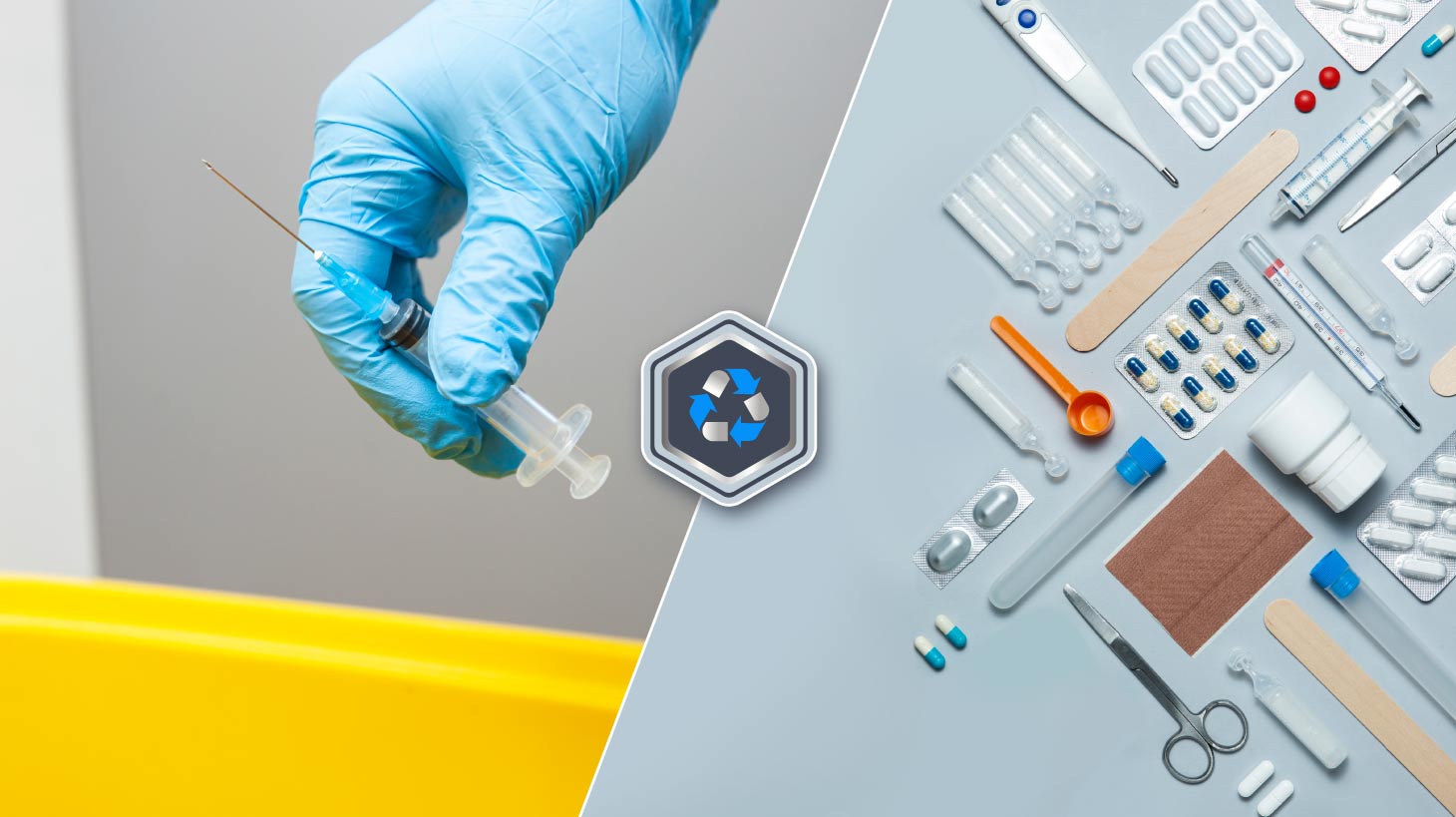
The United States generates over 3.5 million tons of medical waste each year. The main users of these tools, such as offices, clinics, and businesses handling injectable medicine are legally responsible for handling these sharps and other applicators. Due to the potential for hazardous waste exposure, improper disposal can be detrimental to those who are affected by it. Additionally, improper disposal not only leads to costly fines for the facilities, but it can also cause legal trouble and employee and patient risk of injury or harm. In fact, over 350,000 needle and sharp injuries are reported by healthcare workers each year.
Healthcare facilities generate over 6,000 metric tons of waste each day, making them the second largest industry contributing to landfill waste. This includes subgroups like veterinarians, dentists, blood banks, fertility centers and even funeral homes or assisted living facilities. Cosmetic surgery in the United States in 2020 alone produced over 6 million kilograms of carbon dioxide, which is equal to 6,000 cross-country trips in a car from Los Angeles to Boston. The waste is nearly incomprehensible, and comprises a number of different health related tools that many people rely on every day.
First, regular garbage is the first to go in a hospital, joined by common medical waste that belongs in red sharp containers and waste bags, most commonly seen in offices. These biohazards include cultures, laboratory waste, contaminated or infectious substances and sharps. Trace chemotherapeutic waste is also discarded, including IVs, the drugs themselves and dispensing devices. Pharmaceutical waste is also handled in these facilities, such as controlled substances like opioids or morphine, and other prescription or over the country medications.
Because of how hazardous these materials can be, safely disposing of medical waste should be the number one priority for facilities responsible for doing so. All medical waste either ends up in a landfill or a waste-to-energy facility. Similarly, there are two ways that hazardous waste is processed once it reaches one of these facilities. First, it can be incinerated at extremely high temperatures in a controlled environment. This process typically handles pharmaceutical waste, trace chemo, pathology, hazardous drugs and chemical waste. Otherwise, steam autoclave uses moisture, heat and pressure to render any harmful microorganisms inactive. This is most commonly used for regulated medical waste, biohazards and sharps.
Although many facilities are well equipped to handle medical waste, it is also important to properly dispose of these tools at home. Fortunately, there are many systems in place to help people handle their disposal from home, including FDA guides, drug takeback programs, prepaid mail-back envelopes, and donation programs for devices and other recycling purposes.
It is important to understand how and why proper disposal is so important, from a human and planet standpoint. Efficient waste disposal can reduce overall hazard, lower healthcare costs and lower energy costs. For the economy, it can save the United States millions to then be reinvested where Americans need it most: treatment breakthroughs, preventative treatment and Medicare. With available guidelines and organizations dedicated to helping with proper disposal, the future of safe healthcare is bright.

Source: Amergy Disposal


 WebProNews is an iEntry Publication