
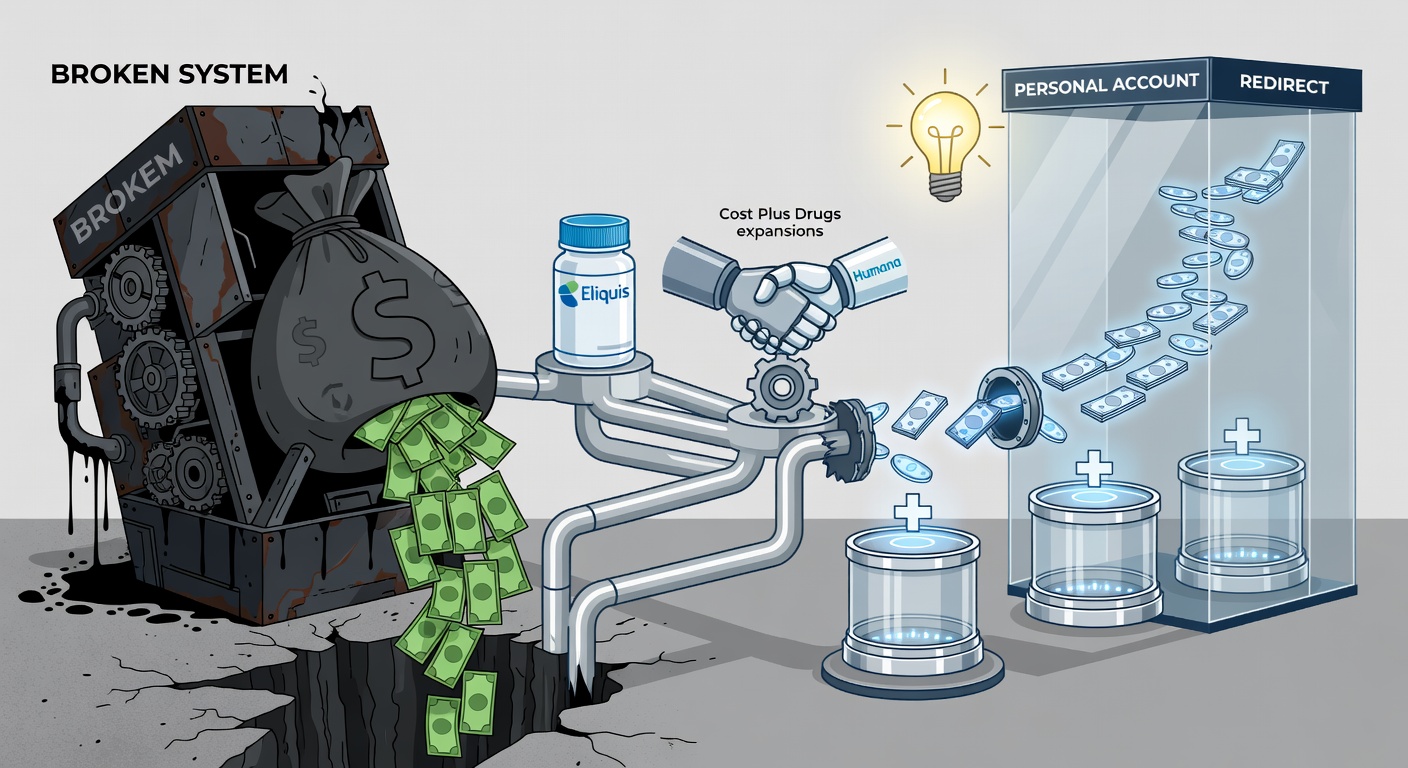
Billionaire Mark Cuban fired a fresh salvo at the health insurance industry last week, declaring on X that most insurers aren’t insurers at all. They are holding companies that arbitrage capitated systems and self-insured employers, looking for weaknesses and lack of contract enforcement in state, federal and commercial organizations. This blunt assessment, posted April 24, 2026, responded to health policy expert Larry Levitt’s thread questioning the value consumers receive amid insurers’ persistent profits while costs climb. Cuban didn’t stop there. He outlined a radical alternative: reroute typical Affordable Care Act silver plan premiums—around $2,100 monthly for a family of five—into a restricted savings account paired with stop-loss coverage and direct primary care.
The breakdown? $300 for catastrophic protection up to $30,000. $200 for routine doctor visits. The rest, about $1,600, builds in an account for approved expenses, earning interest until age 65. No medical bills? Keep it all. If you never have any medical expenses, you will get to keep the money plus checking account level interest when you turn 65, Cuban wrote. It’s a model that flips the script on traditional coverage, putting cash directly in consumers’ hands rather than feeding administrative overhead.
Insurers like UnitedHealth Group, CVS Health, and Cigna loom large in Cuban’s crosshairs. These vertically integrated behemoths, he argues, profit by exploiting every gap rather than managing risk or curbing prices. Profits held strong even as healthcare spending ballooned—employers now face $30,000 per family annually in premiums and care, a burden Cuban calls insane that drives layoffs. Yahoo Finance captured his push for the Break Up Big Medicine Act, bipartisan legislation targeting these conglomerates.
But words alone don’t fix a $5 trillion system. Cuban backs them with action through Cost Plus Drugs, his online pharmacy that sells generics at cost plus 15% markup and a flat $5 shipping fee, bypassing pharmacy benefit managers—or PBMs—that he routinely blasts for opacity and spread pricing. Just days ago, on April 27, Bristol Myers Squibb and Pfizer agreed to offer Eliquis, their blockbuster blood thinner, via Cost Plus for $345 a 30-day supply—far below typical insured prices. Reuters reported the deal starts today, expanding access for cash-paying patients. And in a surprise twist on the same day, Humana’s CenterWell Pharmacy announced a partnership with Cost Plus to build end-to-end employer prescription solutions, complete with direct delivery. Everyone should be able to get safe, affordable medication, Cuban said. Forbes detailed how this collaboration aims to slash employer costs by cutting out middlemen.
Critics question if partnerships with players like Humana dilute his anti-insurer stance. Yet Cuban insists the focus remains transparency. Cost Plus now posts full pricing and contracts publicly, a tactic extended to Cost Plus Wellness, his direct contracting platform linking self-insured employers to providers. Hospitals draw fire too. Why don’t they publish full accounting? Why overpay for drugs and devices via group purchasing organizations? Why cling to consultants while beds sit empty? Cuban demands P&Ls per carrier, bills of materials for surgeries—details most executives dodge. Becker’s Payer Issues noted his push into hospital deals mirrors his drug strategy.
Fragmented oversight fuels the mess. State and federal gaps let insurers deny claims, delay payments, waste doctor time on appeals run by outdated panels. Facilities fees. 340B abuses. Chargemaster bills. Cuban lists them relentlessly on X, challenging hospitals to prove him wrong. Patients suffer surprise debts; employers bleed cash. CEOs waste a shitload on plans they barely grasp, indifferent to outcomes outside core business.
So where’s Washington? Cuban slammed lawmakers as wimps for stalling breakup bills. POLITICO captured him at a health summit: Until you break those companies up, there is no chance we will improve the quality and cost of care. His vision demands cash payments everywhere—transparency kills rip-offs. No more bundling tricks or upcoding. Employers shifting to direct contracts could bypass it all.
Results show promise. A Urology Practice study projects Medicare savings in tens of millions from Cost Plus pricing on kidney stone drugs alone. Volumes rise; prices fall further. Biosimilars for Humira, Stelara next. But scale matters. Insurers administer trillions. Cuban’s ventures nibble edges—for now.
And that’s the rub. Dismantling giants requires more than one man’s tweets or pharmacies. Yet Cuban’s model proves consumers respond to straight prices. Shift premiums to pockets. Add guardrails. Watch spending drop. Insurers might evolve or shrink. Patients win either way.


 WebProNews is an iEntry Publication