
Billionaire Mark Cuban sees artificial intelligence splitting workers into winners and losers. One group treats AI like a tireless assistant for grunt work. The other? They let it erase their brains. “I think right now we’re bifurcating into two types of people that use AI — people who use AI so they don’t have to learn anything and people who use AI so they can learn everything,” Cuban said on the Big Technology Podcast at the Dallas Regional Chamber’s Convergence AI event. Business Insider captured his stark message: treat AI like a “drunk intern” for shortcuts, and struggle awaits.
Cuban doesn’t mince words. Reformatting data. Answering yes-or-no questions. Those tasks scream replaceable. “If all you’re doing is reformatting, you know, or you’re answering a question yes or no, then you know there’s a good chance you’re going to be replaced by AI,” he warned. Critical thinking endures. Curiosity thrives. AI can’t grasp consequences. Humans do. Those who pair tools with sharp minds hold the edge. Always.
This divide echoes broader shifts. Cuban has long pushed AI as a productivity booster, not a job killer. Back in February, he likened current models to a “hungover college intern—with a $100K price tag.” Fortune highlighted his take: economics still favor people over pricey bots for complex roles. Fast-forward to April. He predicted smart firms would slash workdays by an hour—same pay. “Smart, bigger companies will enable their employees to create and use agents (within security guardrails), improve their productivity. But most importantly, they will reduce their workday by an hour to start. Same pay,” Cuban posted on X.
But here’s the rub. Small and mid-sized businesses—33 million in the U.S. alone—lack AI know-how. No budgets. No experts. Cuban spots gold there. Young workers who customize models for shoe stores or trucking firms? They’ll flood into jobs. “There is nothing intuitive for a company to integrate AI and that’s what people don’t understand,” he told Business Insider in February. Software dies, he says. Everything tailors to unique needs. Who’s wiring it? Not Big Tech. The kids who walk in, demo benefits, own the future.
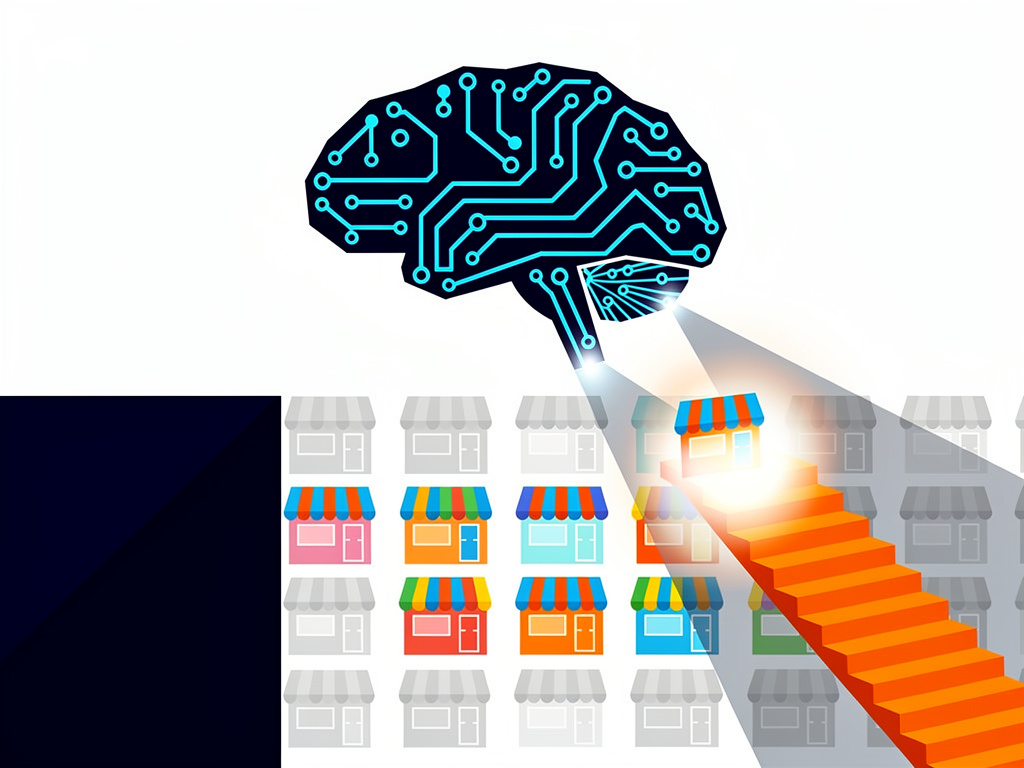
X lights up with this. Posts from @r0ck3t23 nail it: fortunes go to those plugging AI into real businesses, not building base layers. “You do not need to build the brain. You need to build the nervous system,” one viral thread reads, echoing Cuban’s call. Another from @mcuban himself warns CEOs: tear down or get displaced. “If you don’t know AI, you are going to fail. Period, end of story,” he blasted recently.
Overreliance breeds risks. AI researchers like Vivienne Ming flag cognitive decline from lazy use. John Nosta sees judgment weaken under polished outputs. Rebecca Hinds warns of fake expertise masking skill gaps. Cuban agrees. Probe AI outputs. Question them. Learn deeper. Or fade.
Take his prompts for Claude, shared last week. Feed in: “Tell me how to be an expert at creating agents for small businesses.” Or “Create study guides that ask me questions.” Business Insider details how these sharpen edges for job seekers. Cuban emails advice: become an agent builder. Businesses crave it.
White-collar entry jobs teeter. Five categories vulnerable, per recent buzz—though Cuban stresses adaptation over fear. Big firms cut heads as AI easier than PCs ever were, he noted in March via Benzinga. Yet demand surges for implementers. Gen Z floods in, teaching bosses.
Cuban practices what he preaches. Cost Plus Drugs runs AI automations. Mavericks scout talent with it. His edge? Relentless curiosity. Even asleep, podcasts drone AI hacks. Tools like Perplexity, Claude, ChatGPT mentor him—flaws and all. Mentors err too, he shrugs.
The sorting accelerates. CEOs delegate at peril. Employees automate blindly, risk obsolescence. Students chase labs, miss main streets. Winners? The curious. The critical. Those who make AI amplify, not replace, human spark. Cuban’s bet: they’ll always work. AI won’t grasp why. Boom. That’s the divide.


 WebProNews is an iEntry Publication