
Mark Cuban once spent hours each day immersed in cryptocurrency research. The billionaire owner of the Dallas Mavericks pushed his sports franchise into crypto sponsorships and NFTs. He talked up bitcoin as digital gold. That chapter appears to have closed.
In a recent interview Cuban revealed he sold most of his bitcoin. The move followed his growing frustration with the asset’s behavior during periods of market stress. “When all this shit hit the fan with the Iran war … well, gold just blew up… bitcoin dropped,” he told former NFL player and podcaster Brandon Marshall, as reported by Forbes. “And every time the dollar dropped, bitcoin should’ve gone up … and it just didn’t do that.”
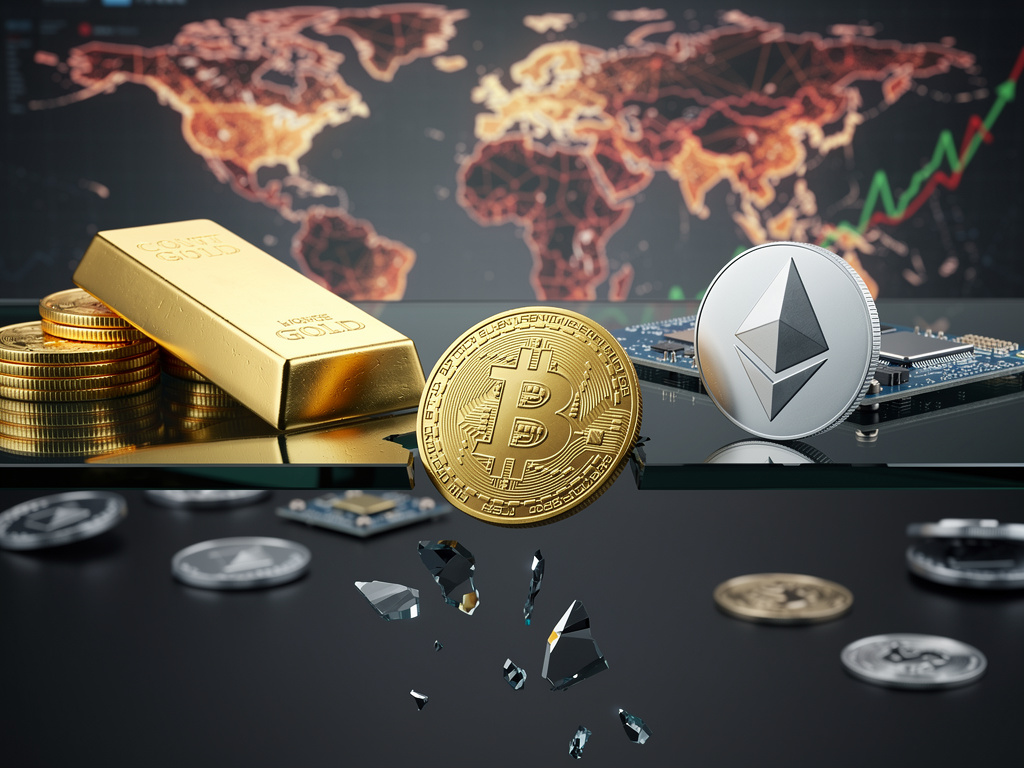
The comments landed with force. Cuban had long positioned bitcoin as a superior alternative to gold. He expected it to rise when fiat currencies weakened or geopolitical risks spiked. Instead it fell. Gold climbed toward $5,000. The mismatch left him blunt. “Not the hedge I expected it to be, and that was really disappointing,” he said in the interview first highlighted by Fortune. “And so I’d say I’m more disappointed in bitcoin, not as disappointed in Ethereum and the rest … garbage.”
His portfolio once tilted heavily toward the leading cryptocurrency. Back in 2021 Cuban described holdings that included 60 percent bitcoin, 30 percent ether and 10 percent in smaller tokens. He claimed to have bought bitcoin as early as 2012 and held without selling for years. Those days are largely over. Most of the bitcoin is gone. A small position may remain. The bulk has been liquidated.
The timing matters. Recent tensions involving Iran triggered safe-haven buying in traditional assets. Gold soared. Bitcoin, by contrast, traded more like a technology stock. It dropped even as the dollar showed weakness. That performance shattered the narrative Cuban had embraced. Bitcoin has lost the plot, he concluded. The asset no longer delivered the protection he once anticipated.
Yet Cuban stopped short of total rejection. He expressed less disappointment in Ethereum. The second-largest cryptocurrency still earns some favor in his eyes, likely tied to its utility in decentralized applications and smart contracts. The real scorn he reserved for almost everything else. Memecoins, non-fungible tokens and most alternative tokens received a simple label. Garbage.
This shift arrives at a delicate moment for bitcoin. The cryptocurrency trades near $76,000 after earlier peaks above $120,000 in late 2025. Institutional adoption has grown. Spot exchange-traded funds hold billions. Companies add bitcoin to corporate treasuries. Cuban’s public reversal could nudge some investors to reassess. Or it might simply highlight a long-running debate. Is bitcoin truly digital gold? Or does it behave more like a high-beta growth asset?
Analysts have noted the divergence for months. During the latest round of geopolitical uncertainty gold delivered the classic hedge. Bitcoin did not. CoinDesk reported Cuban’s remarks alongside market data showing bitcoin’s correlation with risk assets remained elevated. It fell when equities wobbled. It failed to rise reliably when the dollar slipped. The data matched Cuban’s experience.
His history with crypto adds weight to the statement. Cuban overcame early doubts. He became one of the sector’s most visible supporters. He appeared on panels, invested personally and integrated crypto into his basketball team’s operations. That enthusiasm carried through bull markets. It survived volatility. The latest test proved too much. When real-world stress arrived bitcoin did not respond as promised.
Reactions poured in across trading desks and social platforms. Some called it a bearish signal from a seasoned investor. Others dismissed it as one man’s portfolio decision with limited broader impact. Bitcoin bulls pointed to its fixed supply and growing adoption by sovereign entities and public companies. They argued the hedge narrative was always secondary to bitcoin’s role as a long-term store of value. Cuban, they suggested, had simply grown impatient.
The comments also spotlight tensions within the broader crypto world. Ethereum continues to evolve with layer-two scaling and real-world asset tokenization. Its proponents argue utility matters more than hedge characteristics. Cuban seems to agree on that point. He draws a clear line between bitcoin’s shortcomings and Ethereum’s relative staying power. Everything below those two levels draws harsher judgment.
Bitcoin’s price action since the remarks has remained contained. It has not crashed. Yet fresh questions linger. Corporate treasurers who added bitcoin citing its inflation-fighting properties may now face internal reviews. Hedge funds that allocated based on portfolio diversification models could revisit assumptions. And retail investors who bought the digital-gold story might wonder what comes next.
Cuban built his fortune through sharp analysis and quicker exits when theses broke. This episode fits that pattern. He entered bitcoin early. He profited along the way. When the evidence no longer supported his original conviction he reduced exposure. Simple as that. The public nature of the disclosure simply amplifies its reach.
Markets rarely grant perfect hedges. Gold itself has faltered at times. Bonds have disappointed during inflationary periods. No asset delivers ideal performance across every scenario. Cuban’s frustration centers on the specific promise he once believed bitcoin fulfilled. It was supposed to shine when traditional systems strained. In the recent Iran-related turmoil it dimmed instead.
His words carry an unmistakable finality on one front. The heavy bitcoin allocation is history. A residual stake may linger but the conviction trade has ended. For an investor known for moving fast and speaking plainly the message is clear. Bitcoin disappointed. The experiment, at least at scale, is over.
That leaves the industry to grapple with the implications. Proponents will continue to build infrastructure, attract capital and push for regulatory clarity. Skeptics will seize on Cuban’s reversal as validation. And somewhere in between sits a billionaire who once championed the asset and now walks away from most of it. The bitcoin trade for Mark Cuban has changed. The debate it ignites will likely continue.


 WebProNews is an iEntry Publication