
Micah Lasher stood before supporters at Jacob’s Pickles in Manhattan on Tuesday night. He had just won the Democratic primary for New York’s 12th Congressional District with 39% of the vote. The race drew eight candidates. Yet one moment stood out.
“I have some news for the two big AI companies who’ve taken such an unusual interest in who won this congressional seat,” Lasher declared. “I won’t be taking my cues from either of you when it comes to protecting our kids, our jobs, our environment.”
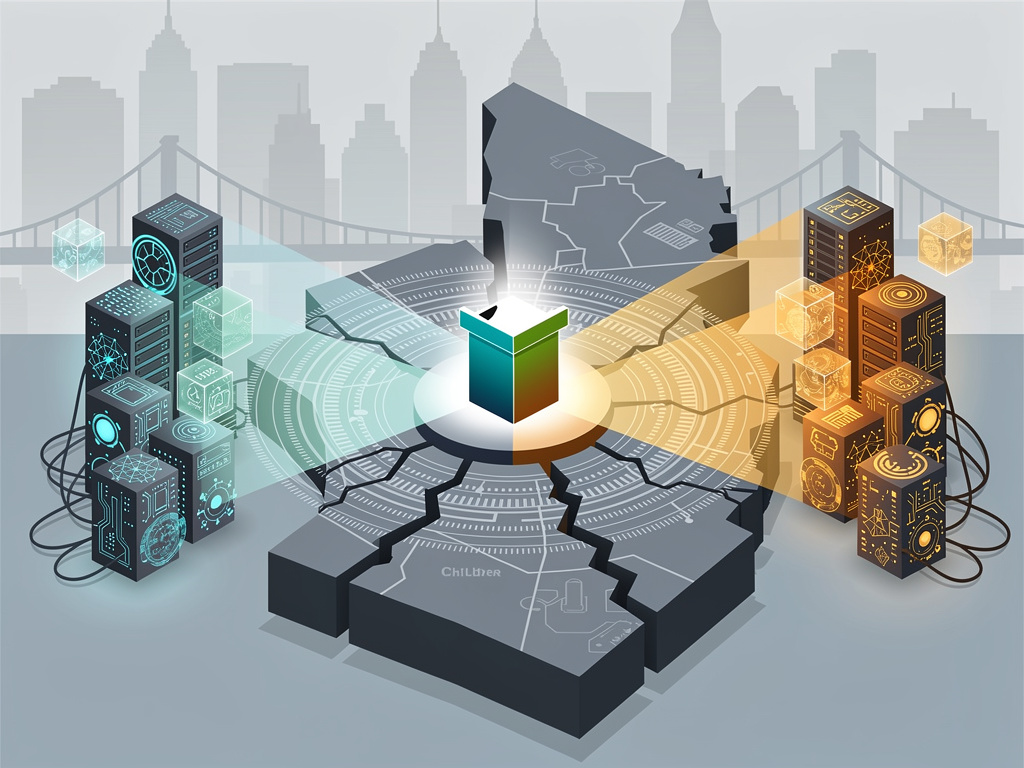
Short. Direct. And aimed squarely at OpenAI and Anthropic. The two firms funneled more than $27 million through super PACs into this local contest. Their clash turned a safe Democratic seat into a proxy war over artificial intelligence policy. But the winner refused to bend.
Lasher, a 44-year-old state assemblyman and former aide to Michael Bloomberg, enters Congress with a record of supporting measured safeguards on advanced AI systems. He co-sponsored New York’s Responsible AI Safety and Education Act, known as the RAISE Act. The bill requires companies to file reports on protections against catastrophic risks. It passed after modifications. Business Insider first detailed how Lasher’s victory speech signaled independence from both industry giants.
His opponent, fellow Assemblyman Alex Bores, made AI safety the centerpiece of his bid. A former Palantir employee who quit during Donald Trump’s first term over the firm’s immigration enforcement work, Bores pushed the original RAISE Act. That stance made him a target.
Leading The Future, a super PAC aligned with OpenAI investors, Andreessen Horowitz partners and figures like OpenAI President Greg Brockman, spent more than $8 million attacking Bores. The group favors a light regulatory touch. It argues for national rules that prioritize American leadership against China, protect kids and create jobs. Josh Vlasto, a co-lead, described the organization as “dedicated to supporting a thoughtful and substantive dialogue and policy process around AI.”
But. The spending told a different story. Ads hammered Bores as extreme. They portrayed his regulatory push as a threat to innovation. Polls shifted. In April, Bores trailed Lasher by nine points. By May, the gap narrowed to four or less. Some surveys even showed Bores ahead. The attacks raised his name recognition. They didn’t sink him entirely.
On the other side, groups linked to Anthropic and AI safety advocates poured in far more. The Jobs and Democracy PAC, part of the Public First network that received funding tied to Anthropic, spent $13 million backing Bores. Additional outlays came from You Can Push Back at $3.3 million, funded by crypto billionaire Chris Larsen, and DREAM NYC at $2.5 million. Total pro-Bores AI safety spending exceeded $19 million. Some reports put the combined AI-related money at over $27 million. Transformer News broke down these figures hours after polls closed, noting the pro-regulation side outspent opponents more than two-to-one.
Anthropic itself has maintained its contributions avoid direct electoral use. Yet the pattern was clear. One faction of Silicon Valley sought to punish a regulator. Another rushed to defend him. The New Yorker captured the dynamic months earlier, framing the contest as “a proxy battle between OpenAI and Anthropic.”
The Split That Money Couldn’t Bridge
This wasn’t a simple story of industry versus reformers. It revealed fractures inside the AI world. OpenAI and its backers have grown wary of rules that could slow deployment or hand advantages to rivals abroad. Anthropic, founded by former OpenAI staff with a stronger emphasis on safety research, appeared more open to oversight. At least in this race.
Bores didn’t mince words in his concession. He called Leading The Future “funded by a handful of oligarchs hellbent on preventing any regulation of their industry whatsoever, any check on their power, the very people who are fueling Donald Trump.” His campaign built a movement, he said. “Future victories will be built on the shoulders of the progress of this campaign. That’s how movements work.”
Lasher took a different tone. He backed the RAISE Act. He has warned that AI could displace workers, widen inequalities and strain the environment through massive data centers. New York lawmakers have considered pausing permits for large facilities while studying impacts on the power grid, water use and climate targets. Lasher’s website echoes those worries. Yet he also distanced himself from the “dark money” on both sides. In one appearance he called for it to stay out of the race, whether from OpenAI or Anthropic.
The Bloomberg connection added another layer. The former mayor’s super PAC funneled at least $10 million to Lasher. Bores received similar Bloomberg support in some accounts. Establishment ties helped. Lasher carried the endorsement of retiring Rep. Jerry Nadler. He campaigned on housing, affordability and his deep roots in Democratic politics. Those factors likely mattered more than any PAC ad. Notus reported Lasher’s projected win shortly after polls closed, emphasizing the Nadler machine’s role.
Still, the sums were staggering for a congressional primary. More than $27 million from AI-linked groups alone. Direct employee donations from Anthropic and even some OpenAI staff added hundreds of thousands to Bores. The race became national news. Betting markets swung. Kalshi and Polymarket reflected the tightening contest.
And the outcome? Lasher prevailed by about four points once most votes were counted. Bores took 35%. The rest scattered among candidates including Jack Schlossberg, the Kennedy grandson who mocked the AI civil war, and others. No decisive victory for either tech faction. Lasher now heads to a heavily Democratic district in November. His general election prospects look strong.
What does this say about AI politics? Money influences. It can elevate unknowns. Bores went from long shot to near-frontrunner thanks to the spotlight. Yet local loyalties, name recognition and bread-and-butter issues still rule in many districts. AI safety resonated in a wealthy, educated Manhattan electorate. It didn’t deliver the win for its champion.
New York has positioned itself as an aggressive regulator. Data centers draw fresh scrutiny over energy demands. Proposals to study their effects before approving more reflect growing caution. Lasher’s record aligns with that approach. He won’t dismiss risks to jobs or public safety. At the same time, his victory speech drew a line. No company dictates his agenda.
Industry leaders took note. Vlasto’s group signaled it would keep pushing for balanced national rules with “strong and smart guardrails.” Anthropic backers framed their support as a counter to unchecked power. The feud exposed competing visions. Acceleration versus caution. Global competition versus domestic protections.
Recent coverage reinforces the point. A Wednesday analysis in Yahoo News called it “the AI industry successfully defeats its No. 1 target,” highlighting how the OpenAI-aligned PAC achieved its narrow goal of stopping Bores even as the winner shared some policy overlap. The Well News earlier portrayed the contest as an “AI industry family feud,” quoting Vlasto on Anthropic’s counter-spending and noting how both sides claimed the high ground on safety.
Lasher now faces the House. AI legislation sits on the agenda. Congressional debates over frontier models, liability, export controls and energy infrastructure will test his independence. He has signaled he won’t outsource those decisions. The millions spent here may preview bigger fights ahead. In tight races. In swing districts. Wherever policy differences among AI leaders create openings.
The primary delivered no knockout. It delivered a warning. Tech’s internal divisions are real. Voters notice the money. Winners still set their own course. For an industry racing toward more powerful systems, that message lands with force.


 WebProNews is an iEntry Publication