
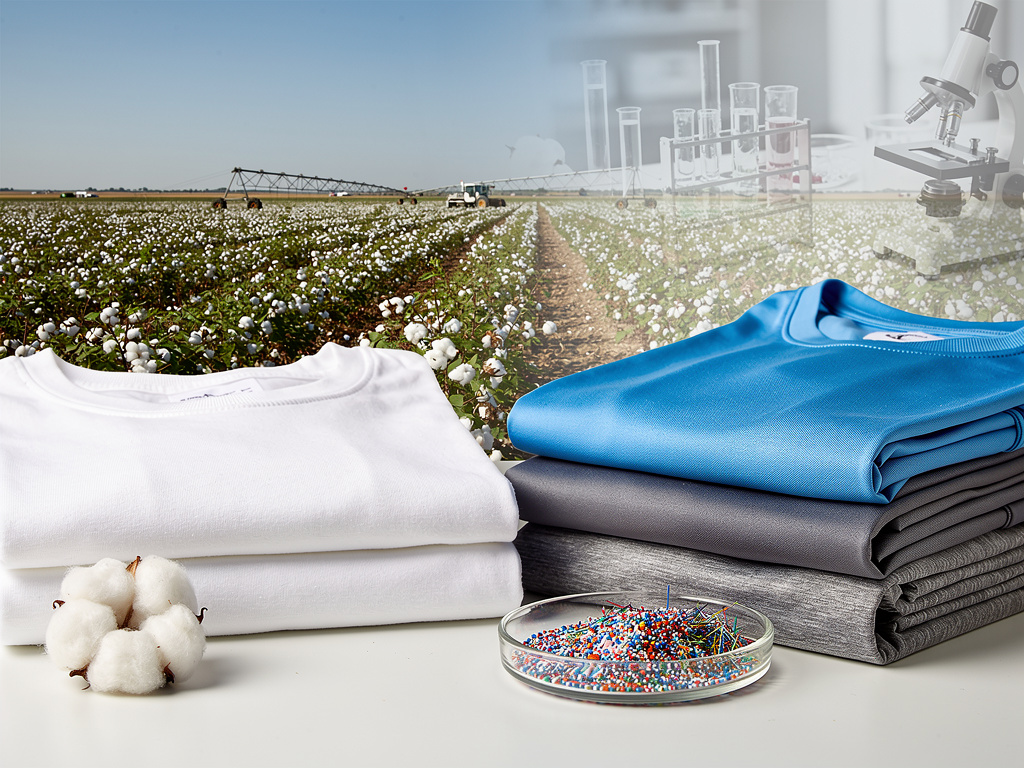
Robert F. Kennedy Jr. has spent years warning about hidden toxins in everyday life. Now, as Secretary of Health and Human Services, he extends that fight from dinner plates to closets. The target? Microplastics shed from synthetic clothing. The solution? Cotton. American cotton.
Secretary of Agriculture Brooke Rollins announced the Great American Cotton Plan on May 28. It bundles subsidies for farmers, pushes to rebuild domestic textile mills, tweaks trade rules and launches a consumer drive under the slogan “Plant Not Plastic.” Rollins made the stakes plain in a late-May post on X. “The MAHA movement doesn’t stop with what we EAT — It’s also about what we WEAR.”
The Verge report traces how this initiative gained momentum inside the Trump administration. Decades of offshored textile jobs left the U.S. reliant on imported polyester and other petroleum-based fabrics. Those materials dominate wardrobes. They also shed tiny plastic particles with every wash. Those particles end up in water, soil, air and, increasingly, human bodies.
But the plan lands at a complicated moment. Tariffs pushed by the same administration have raised costs for cotton growers, as local reporting from KGUN9 noted during a visit to Marana, Arizona. Farmers face higher expenses even as Washington promotes their crop as a health fix.
Science, marketing and the gaps in between
Evidence on microplastics grows. Studies detect them in blood, brain tissue and organs. One analysis cited in the MAHA commission report found concentrations in American brain tissue rose 50 percent between 2016 and 2024. Synthetic textiles rank among the largest sources of microfibers released into the environment. Laundry machines act as gateways. A single load of polyester clothes can release hundreds of thousands of fibers.
RFK Jr. and EPA Administrator Lee Zeldin highlighted the issue in early April briefings. They elevated microplastics as a priority contaminant in drinking water and launched research efforts to understand human exposure. “We are confronting one of the most pervasive and least understood environmental health challenges we face,” Kennedy said in one session.
Yet scientists caution against simple narratives. The Wirecutter analysis points out that risks from clothing remain unclear compared with exposure through food or water. Synthetic fibers deliver stretch, durability and quick-drying performance that pure cotton or wool often cannot match. Even brands marketed as “clean” or “non-toxic” frequently blend in small amounts of elastane or other synthetics.
Natural fibers carry their own issues. Chemical treatments for wrinkle resistance or stain repellency can leave residues such as formaldehyde. Early research questions whether cotton and wool biodegrade as cleanly in modern landfills as marketers claim. The Business of Fashion documented a surge in natural-fiber activewear from brands like Huha and Mate the Label. Many rely on vague wellness language that regulators have yet to police.
And. The cotton industry sees opportunity. The National Cotton Council launched its own “Plant Not Plastic” campaign in September 2025. A consumer survey it funded found most people unaware that clothing contributes to microplastic pollution. The group’s president and CEO, Mike Johnson, responded to the earlier MAHA report by stressing cotton’s role as “a healthy alternative to synthetic microfibers such as polyester.” The USDA’s May 28 plan explicitly elevates that message. It promises marketing support, research partnerships and efforts to expand markets for U.S. cotton.
Consumer behavior already shifts. Influencers chronicle swaps from polyester leggings to cotton or wool alternatives. Biohackers and wellness figures aligned with MAHA promote “plastic detox” routines. Some pitch supplements claiming to shield cells from microplastics. An E&E News investigation from late May detailed how figures such as Gary Brecka, Dave Asprey and Courtney Swan endorse products like BodyBio PC. Lara Trump highlighted kimchi capsules on her podcast as a way to “degrade BPA.” These side efforts run parallel to the government’s fiber focus.
The administration’s approach blends trade policy, farm support and public health rhetoric. Kennedy’s 2023 plastic pollution plan called for a major national study on all sources of plastic waste, naming synthetic textiles high on the list. Today’s actions echo that priority while directing benefits toward domestic agriculture. HHS and USDA now coordinate on “Plant Not Plastic” messaging. The goal is to make natural fibers the default choice for health-conscious shoppers.
Critics see gaps. Polyester dominates because it is cheap, versatile and performs. Rebuilding American textile manufacturing will take years and significant capital. Trade policies that protect cotton farmers can raise prices for consumers and manufacturers alike. Performance demands in athletic wear, underwear and work clothes often require some stretch or moisture management that 100 percent cotton struggles to deliver without chemical help.
Still, momentum builds. Recent coverage in Fox News captured the April announcement as a “declaration of war” on microplastics. Plastics News reported the USDA’s elevation of the initiative just days ago, noting Kennedy’s direct support on X: “Yes: plant, not plastic.” Public conversation on X reflects the blend of enthusiasm and skepticism. Posts celebrate American jobs and healthier wardrobes. Others question whether the focus overstates clothing’s role or ignores broader plastic sources.
The MAHA commission report itself, released in May 2025, flagged microplastics among persistent concerns for children and pregnant women. It linked them to potential endocrine disruption, early puberty and other risks. That document provided intellectual scaffolding for the current push. Cotton growers, initially disappointed by some language in the report, now align with the fiber-substitution message.
Practical advice circulates alongside policy. Wash clothes less often. Use filters on washing machines. Choose natural fibers when possible. These steps reduce but do not eliminate exposure. Microplastics already permeate the environment. They appear in dust, rain and remote ecosystems. Reversing that accumulation will demand action far beyond closets.
Kennedy, Rollins and Zeldin frame the cotton plan as one piece of a larger effort. They tie it to farm vitality, manufacturing revival and reduced chronic disease. Success hinges on whether consumers accept the trade-offs, whether industry invests in domestic capacity and whether science eventually clarifies the precise human health risks. For now the message is direct. Plant. Not plastic. The fields, the factories and the laundry rooms will test if it sticks.


 WebProNews is an iEntry Publication