
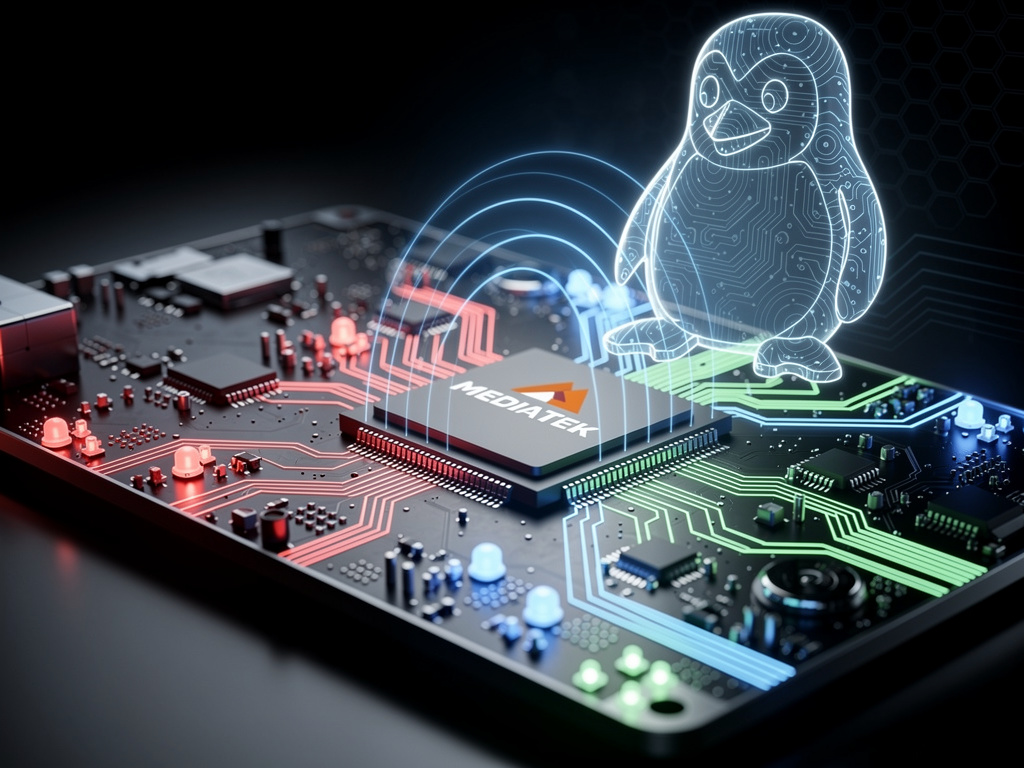
In the ever-evolving world of open-source software, where kernel updates can make or break hardware compatibility, a recent development in the Linux ecosystem has caught the attention of developers and system administrators alike. On New Year’s Eve 2025, a critical fix was merged into the Linux 6.19 kernel, addressing a debilitating issue with MediaTek’s MT792x wireless chips that had left users with non-functional WiFi. This patch, essentially a code revert, underscores the challenges of maintaining robust support for emerging hardware in a community-driven project like Linux. As reported by Phoronix, the fix resolves a problem introduced earlier in the development cycle, where certain MediaTek WiFi adapters would fail to initialize properly, rendering them “dead” on boot.
The issue stemmed from a well-intentioned but flawed commit in the mt76 driver, which handles MediaTek’s wireless networking hardware. Engineers had attempted to optimize power management features, but this led to unexpected regressions, particularly on MT7921 and MT7922 models commonly found in laptops from brands like ASUS and Framework. Users reported that after kernel updates, their WiFi would vanish, forcing reliance on Ethernet or USB adapters. This isn’t an isolated incident; MediaTek’s integration into Linux has been rocky, with similar complaints dating back years. For instance, forums like Linux.org have documented cases where MT7921 cards weren’t detected at all on Ubuntu installations, as seen in a 2021 thread where a user struggled with an ASUS TUF Gaming laptop in dual-boot setup.
Delving deeper, the fix involved reverting a specific change that altered how the driver handled firmware loading and device probing. According to kernel mailing list discussions, the problematic code caused a timing mismatch during initialization, especially under certain power states. By rolling back to a stable configuration, maintainers ensured that the MT792x series could once again connect reliably. This move highlights the iterative nature of kernel development, where rapid prototyping in release candidates can expose flaws that only surface in real-world testing.
Unpacking MediaTek’s Troubled History with Linux
MediaTek, a Taiwanese semiconductor giant known for its cost-effective chips in smartphones and IoT devices, has expanded into PC wireless solutions with mixed results on Linux. Unlike Intel or Qualcomm, whose drivers enjoy mature upstream support, MediaTek’s offerings often require out-of-tree patches or community-maintained modules. A post on the Framework Community forum from 2024 details ongoing struggles with MT792x cards on AMD-based laptops, where WiFi would take minutes to appear after boot or fail entirely post-suspend. The user, running Manjaro with kernel 6.8, eventually resorted to a hardware swap, illustrating the frustration that pushes some away from Linux.
Broader user sentiment echoes this on platforms like Reddit, where a 2021 thread on r/ZephyrusG14 offered a workaround for slow speeds and drops on MediaTek cards, involving driver tweaks and firmware updates. However, these fixes were temporary bandages, not addressing root causes. More recently, a Garuda Linux Forum discussion from February 2025 highlighted MT7925e cards delivering abysmal speeds—capped at 100Mbps despite Gigabit capabilities on Windows—prompting users to experiment with kernel parameters and regulatory domain settings.
The Linux kernel’s wireless subsystem, managed under the netdev tree, has seen concerted efforts to bolster MediaTek support. Yet, as evidenced by an Arch Linux Forums thread from 2023, MT7922 adapters on high-end laptops like the ASUS ROG Flow X13 often required custom kernel builds to function, even when Windows handled them seamlessly. This disparity raises questions about vendor commitment; MediaTek provides some upstream contributions, but critics argue it’s insufficient compared to rivals.
Broader Implications for Kernel Stability and Hardware Support
The 6.19 fix arrives amid a flurry of kernel activity. Just days prior, Linux 6.19 addressed a scheduler regression that had caused up to 52% performance drops, as noted in a WebProNews report. That patch, correcting entity weights in the scheduler, restored latency norms and even delivered gains in other areas, like NUMA optimizations for Intel platforms. For graphics enthusiasts, the same kernel cycle brought a 30% boost for legacy AMD Radeon GPUs by transitioning from the older Radeon driver to AMDGPU, complete with Vulkan support—courtesy of Valve’s ongoing investments in Linux gaming.
Networking enhancements in 6.19 extend beyond WiFi. The release includes refinements to IPv6 handling and BGP routing, which could indirectly benefit wireless stability in complex setups. A post on X (formerly Twitter) from developer Zac Bowling, dated January 1, 2026, details his submission of 11 patches to fix bugs in the MT792x driver, including stress tests demonstrating crashes on mainline kernels. Bowling’s work, sent to the Linux Kernel Mailing List, targets issues like intermittent disconnects, building on OpenWRT’s maintenance of similar drivers.
This isn’t just about one fix; it’s symptomatic of Linux’s hardware ecosystem challenges. A LinuxQuestions.org thread from June 2024 discusses MediaTek’s 6GHz support on Debian, noting that while Intel and Qualcomm “just work,” MediaTek requires additional packages for regulatory compliance. Users often enable 6GHz by installing firmware and setting country codes, but compatibility varies by kernel version.
User Experiences and Community-Driven Solutions
Diving into real-world anecdotes, many Linux users have turned to forums for solace. A 2023 Republic of Gamers Forum post describes MT7921 disconnections every 11-12 hours, with lag spikes in games like League of Legends. The solution involved downloading specific drivers from ASUS and tweaking power-saving modes—a common theme. Similarly, a Yo Motherboard query from August 2025 seeks fixes for MT7922 persistent issues, recommending kernel upgrades and disabling fast roaming.
On X, sentiments range from frustration to humor. One user lamented bricking their MediaTek card after a Linux update, blaming incompetent hardware design, while another praised Intel alternatives for seamless compatibility. A nixCraft post from 2021 jokingly advises replacing Broadcom or Realtek cards with Intel, a sentiment that applies to MediaTek woes. These posts, while not definitive, reflect a community grappling with inconsistent support.
Kernel maintainers, including those from MediaTek, have responded with driver updates. An ASUS ROG Forum thread from 2021 links to AMD/MediaTek WiFi drivers version 3.5.0.1356 for MT7921, released in October 2025, promising better stability. Yet, as a CNX Software article on Linux 6.17 from September 2025 notes, each release brings architecture-specific tweaks, but wireless remains a pain point for non-Intel hardware.
Evolving Strategies in Wireless Driver Development
Looking ahead, the 6.19 fix could pave the way for more robust MediaTek integration. Recent CVE alerts, like CVE-2025-68360 from December 2025, address vulnerabilities in the mt76 driver, such as improper references in callbacks for MT7996 chips. These patches enhance security and reliability, crucial for enterprise deployments.
Industry observers point to MediaTek’s broader ambitions, including the Dimensity 7100 SoC unveiled recently, as covered by The Tech Outlook. With features like improved power efficiency and camera support, it’s geared toward mobile, but PC extensions could benefit from Linux lessons. A Aaron Tech Tips blog from 2023 offers a fix for MT7921 standby issues, involving registry edits on Windows, but Linux equivalents involve modprobe blacklisting or systemd services.
Collaboration is key. Phoronix reported on December 22, 2025, about the AMDGPU transition yielding performance leaps, a model MediaTek could emulate by upstreaming more code. User Zac Bowling’s patches, targeting the MT7925, demonstrate how individual contributors fill gaps, potentially influencing future kernels.
Navigating Future Challenges in Open-Source Networking
As Linux adoption grows in servers, desktops, and embedded systems, hardware vendors must prioritize open-source compatibility. MediaTek’s MT792x series, while affordable, has exposed gaps in driver maturity, leading to workarounds like those in a 2023 ROG Forum post solving disconnections via driver downgrades.
Emerging trends, such as WiFi 7 support, add complexity. A Linux.org thread from 2021, though dated, mirrors ongoing MT7921 detection issues, resolved by firmware installation. Modern fixes might involve regulatory domain tweaks for 6GHz, as discussed in LinuxQuestions.org.
Ultimately, the 6.19 patch represents a win for persistence. By reverting flawed code, it restores functionality, but sustained vendor engagement is essential. Developers like those on X, sharing stress tests and patches, embody the collaborative spirit driving Linux forward. For insiders, this episode serves as a reminder: in the intricate web of kernel development, even small changes can ripple widely, demanding vigilant testing and community input to keep pace with hardware innovation. As kernels evolve, so too must the strategies for integrating diverse chipsets, ensuring Linux remains a viable choice for all users.


 WebProNews is an iEntry Publication