
The Linux 7.2 kernel’s graphics stack is off to an early start. Initial changes have landed in the DRM-Next tree via the drm-misc-next pull request. Developers are shifting the default DRM scheduler policy to “fair.” This affects drivers like AMDGPU and Intel Xe. And it promises smoother handling of interactive workloads.
Maarten Lankhorst sent the pull request. It queues DRM core tweaks and user-space API adjustments. Driver-specific updates follow suit. The fair scheduler stands out. Tvrtko Ursulin of Igalia drove its development over months. “FAIR policy works better than FIFO for all known use cases and either matches or gets close to RR,” Ursulin wrote in his patch notes. “Lets make it a default to improve the user experience especially with interactive workloads competing with heavy clients.” FIFO, the prior default, often starves lighter tasks. Fair yields better balance. Previous iterations boosted performance on Valve’s Steam Deck and Linux desktops, as detailed in Phoronix.
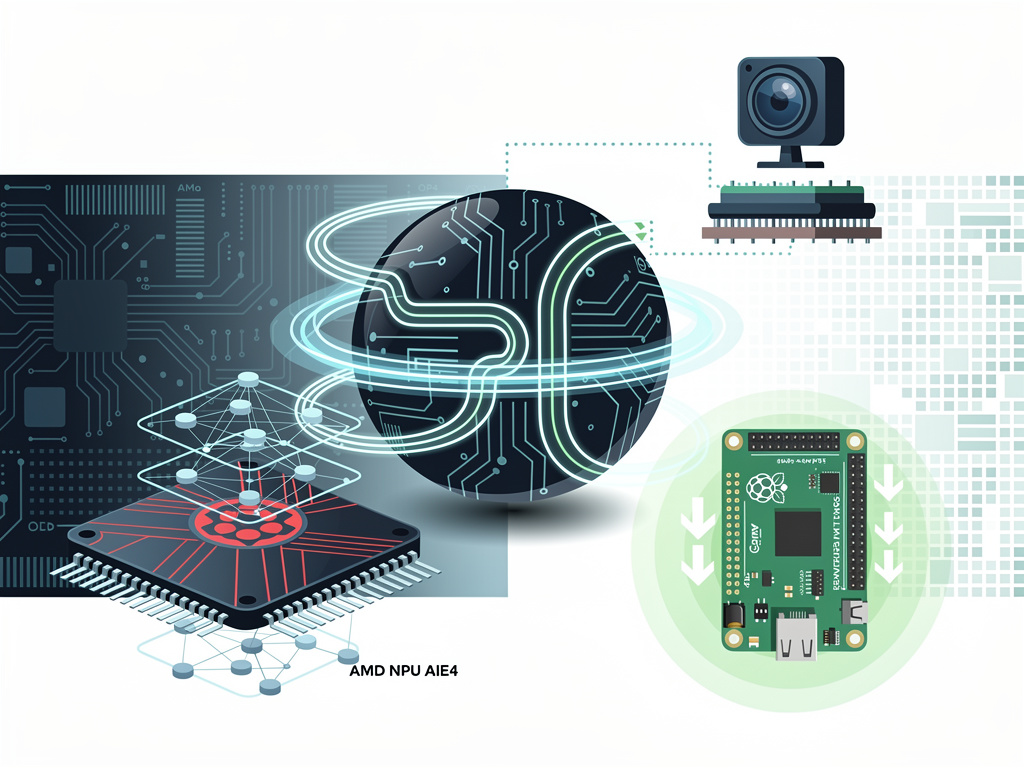
AMDXDNA sees fresh capabilities too. This accelerator driver targets AMD Ryzen AI NPUs. New code exposes per-client buffer object memory usage through FDINFO. Debugging gets easier. Support arrives for AIE4 hardware—next-generation NPUs. Expect them in upcoming Ryzen AI PCs. Runtime power management hits the V3D driver. Raspberry Pi users benefit most. Idle power drops. Battery life extends on Pi portables.
These moves signal broader momentum. Linux 7.1 just wrapped, shedding old network code and ballooning past 39 million lines total—nearing 40 million for 7.2, per Phoronix. AMD’s graphics driver stack alone tops 6 million lines. Growth reflects hardware demands. AMDGPU, AMDKFD, and display core keep expanding.
AMD pushes further. ISP4 driver eyes mainline for 7.2. It enables webcams on Ryzen laptops like the HP ZBook Ultra G1a Strix Halo. Sakari Ailus of the Linux media subsystem plans its merge post-rc1. Ten review rounds paved the way, as noted in Phoronix. Power features brew too. A “power module” in AMDGPU’s Display Core mimics Windows behavior for better efficiency. Patches landed too late for 7.1. Watch for 7.2 integration, via Phoronix.
Phoronix highlighted the news on X yesterday. “Great graphics driver and accelerator driver work beginning to accumulate already for Linux 7.2!” their post read, linking the drm-misc-next article. Industry watchers track these queues closely. DRM-Next feeds Linus Torvalds’ tree each cycle. Summer brings 7.2 stable.
Fair scheduler. NPU visibility. Pi efficiency. Camera support. Power matching. Linux graphics solidify enterprise and consumer appeal. AMD leads NPU and ISP efforts. Intel Xe joins scheduler shift. Raspberry Pi gains runtime PM. Developers like Ursulin refine over iterations—v1 through v5 of fair scheduler alone.
Context matters. Linux 7.1 merged Intel/AMD laptop platforms, USB advances, and Qualcomm Adreno tweaks. 7.2 builds atop that. Kernel bloat? Removals offset adds. ISDN, ham radio drivers gone from 7.1. Clean slate aids maintenance.
Expect more. AMD page migration acceleration posted recently—batching folios, DMA offload. Not yet queued, but eyes 7.2. Valve’s low-vRAM gaming patches influence scheduler choices. Interactive priority rises.
Users test early. Distros like CachyOS ship kernels ahead. Phoronix benchmarks loom. Hardware makers align. Ryzen AI NPUs. Strix Halo. Pi 5. Linux catches Windows on power, cameras, AI accel.
One change cascades. Fair over FIFO. Clients compete less harshly. Desktops feel snappier. Steam Deck proves it. NPUs expose usage—tools profile better. V3D idles smartly. Batteries last.
7.2 shapes up strong. Graphics pros take note.


 WebProNews is an iEntry Publication