
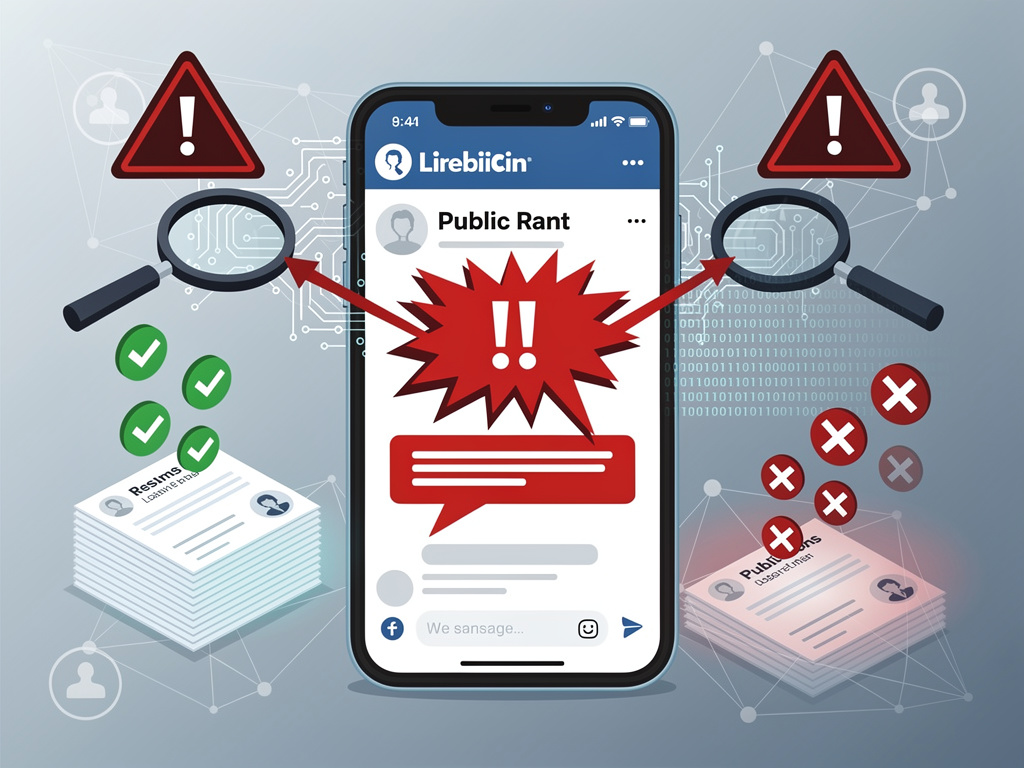
As hiring intensifies in 2026 amid AI-driven applicant floods, recruiters are wielding social media scrutiny like never before. Co-owners of boutique staffing agency The Grapevine, Lori Zuker Briller and Rachel Zaslansky Sheer, who interview thousands annually, pinpoint one online misstep as a deal-breaker: public rants on platforms like LinkedIn. Their insights, drawn from two decades of matching candidates to roles from executive assistants to personal chefs, reveal how unfiltered venting can derail even top talent. “There’s a lot of ranting going on,” Briller told CNBC Make It, highlighting frustrations with past jobs or hiring woes.
This scrutiny extends beyond niche agencies. A Novorésumé survey shows recruiters in 2026 increasingly probe LinkedIn and social profiles for authenticity, with 70% checking posts for cultural fit. Briller urges candidates to audit their digital footprint: “Who are you online? What is your narrative and story online?” Misalignments between online personas and interview polish raise alarms, especially for client-facing roles like nannies where “not on-brand” content can end pursuits outright.
Sheer emphasizes universality: “Everyone checks, everyone Googles, everyone looks on social media now. It’s just part of it.” Yet resistance persists, with some candidates insisting personal views stay private. Briller counters that hiring parties view rants as “problematic,” potentially painting job seekers as disgruntled.
Why Rants Signal Risk in Tight Markets
In a job market where postings linger for 60+ days—flagged by tools like LinkedIn’s date filters—companies demand zero-risk hires. Posts on X echo this, with recruiters noting firms avoid backfill gambles amid slow fills. The Random Recruiter posted that companies seek “zero red flags” because failed hires mean months without replacements, amplifying social media’s weight.
Career coach Eliana Goldstein, cited by CNBC, warns rants breed perceptions of poor attitude: “Expressing resentment or anger in a social media post could cause hirers to question your attitude and professionalism.” Instead, confide in trusted circles. Briller advises the same: discuss challenges privately, not publicly, to preserve professional allure.
Business News Daily reports social screenings are rampant, with managers favoring polished profiles. GOBankingRates lists six social red flags, including rants, that recruiters spot instantly on LinkedIn-provided applications.
2026 Shifts: AI and Authenticity Probes
LinkedIn’s UK Country Manager Janine Chamberlin told CNBC that 2026 marks widespread AI adoption in hiring, pushing candidates to differentiate via genuine online narratives. Yet AI-generated slop—resumes, messages, even call scripts—has fatigued recruiters, per X posts from Alex Cohen, making authentic but negative posts stand out disastrously.
Novorésumé’s data, via EIN Presswire, shows HR tactics evolving to verify realness amid fakes. RecruitCRM.io details 2026 social strategies, from passive sourcing to red-flag hunts on public profiles. Jobsearch.guide notes old advice fails as skills-based hiring and scams proliferate, urging LinkedIn overhauls.
X sentiment underscores pain: Shazi laments empty pipelines and fake postings plaguing 2024-2026 grads, while Jason Levin predicts a return to “hire people you know.” NDUMNUNYARWANDA warns of scam “hiring immediately” posts demanding public comments, mirroring rant risks in visibility.
Real-World Costs and Resistance
The Grapevine’s book, “Straight From the Grapevine: How to Crush Your Job Search,” codifies these lessons. Briller recounts resistant candidates: “They’re kind of like, well, it shouldn’t be any of their business.” But Sheer insists adaptation is key in a process where online presences shape first impressions.
TMJ4 coverage of Briller and Sheer stresses reentry post-burnout, advising against airing gaps or gripes online. CNBC’s hiring expert flags AI-uniformity as another pitfall, with CEO Scott Tannen spotting interview red flags via targeted questions—online echoes amplify this.
Reddit’s r/NoStupidQuestions debates check frequency, with users confirming it’s routine. Recruiters on X, like Courtney, dismiss firms clinging to outdated practices in 2026, while Chioma Amadi flags LinkedIn scams harvesting data via fake jobs.
Strategic Defenses for Job Hunters
Audit ruthlessly: scrub controversial likes, shares, or posts questioning professionalism. Briller advises aligning online stories with aspirations. LinkedIn execs, per Today.com, recommend one key change: showcase skills via AI tools without generic slop.
Jan Tegze’s X guides tailor 2026 LinkedIn profiles for recruiter realities, bypassing 2016 tips amid AI noise. Sean highlights scraping long-open jobs for outreach, turning desperation into opportunity—clean profiles seal deals.
Mas on X decries LinkedIn’s UX decay from bots and fakes, advising reduced use. Sir Sean notes inflammatory accounts sabotage hunts, a “harsh but fair” truth.
Broader Hiring Realities Exposed
ABA Journal covers ‘ghost jobs,’ accidental or not, eroding trust—clean online reps build credibility. TMJ4 on burnout gaps urges private processing, aligning with Grapevine wisdom. As 2026 unfolds, recruiters’ stances harden: rants aren’t rebellion; they’re rejection bait in a hyper-vetted arena.


 WebProNews is an iEntry Publication