
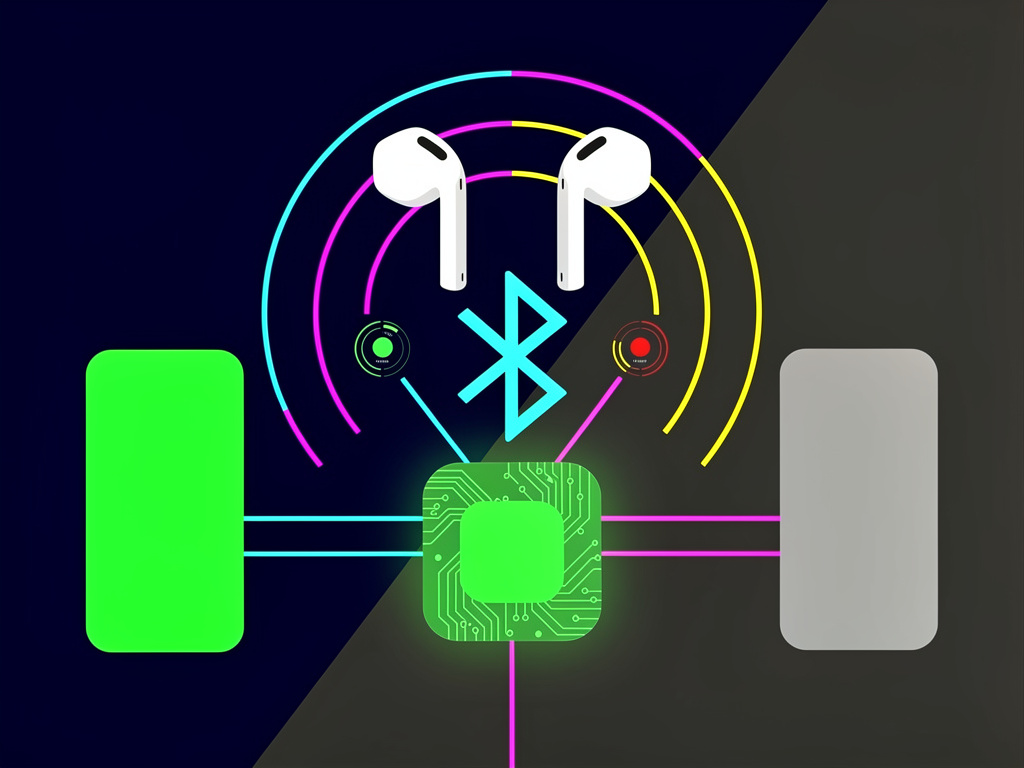
Android users tired of AirPods’ half-baked support just got a major upgrade. LibrePods, the open-source app from developer Kavish Devar, now runs on the Google Play Store without needing root access on select devices. This shift stems from a long-standing Bluetooth bug Google squashed in Android 16 QPR3, also known as the March Pixel Drop. Pixels, OnePlus, and Oppo phones on the latest software lead the pack. Samsung users? Hang tight for Android 17 or One UI 9.
The app tricks AirPods into thinking they’re paired with an iPhone. Reverse-engineered protocols make it happen. No more basic audio-only connections. Users tap into noise control modes—switch from full cancellation to transparency without touching the buds. Ear detection pauses music the instant you remove one. Battery stats show precise levels for each earbud and the case. Head gestures let you nod to answer calls. Conversational awareness drops volume when you speak.
Devar built this on GitHub, starting in late 2024. Early versions demanded root and Xposed framework to bypass Android’s Bluetooth stack flaw—Apple’s non-standard compliance clashed with Google’s implementation, causing deadlocks. Devar filed a bug report in October 2024 on Google’s Issue Tracker, amassing over 9,100 stars. Google assigned it but dragged feet until Android 16 QPR3. As Android Authority reports, Devar announced the Play Store launch on Reddit: LibrePods sidesteps root on compatible hardware.
Features go deep. Customize long-press actions on AirPods Pro 2 or 3 stems. Rename your buds. Enable hearing aid mode—though heart rate on Pro 3 stays iOS-only. Multi-device pairing hits two gadgets max. Adaptive transparency sliders tweak ambient sound finely. All this on AirPods Max too, with full noise controls and battery readouts. Older AirPods get basics like battery and ear detection.
Play Store listing spells it out: “LibrePods allows Apple’s exclusive AirPods features to be used on non-Apple devices. Get access to noise control modes, adaptive transparency, ear detection, battery status, conversational awareness, head gestures, and more.” Downloads top 1,000 already. Recent fixes patch crashes, add disconnect buttons, flip adaptive sliders right-side up. GitHub commits from April 27, 2026, confirm tweaks for Android resume states.
But limitations persist. VendorID hooks for transparency tweaks or hearing aids still need root everywhere. Pixels on QPR3 shine brightest now. Oppo’s ColorOS 16 and OnePlus OxygenOS 16 patch the bug too. Broader rollout? Android 17 promises fixes for all. Until then, sideloaders grab APKs from GitHub releases. Play link: here.
This arrives amid AirPods Ultra whispers. TechRadar ties the timing to Macworld rumors of premium over-ears with Ultra branding, potentially packing advanced health sensors. Pro 3 already tracks heart rate; Ultra could amp that. Android crossovers grow. No Pixel Buds? No problem.
Older apps like AirBattery or OpenPods offered battery glances or partial controls. LibrePods laps them—full stack, open-source, expanding to Linux. Android Authority’s November 2025 coverage hailed it for ANC toggles and auto-pause. The Verge praised the reverse-engineering feat: headphones “think they’re connected to an Apple device.” Android Police echoed: full control awaits.
Devar’s work exposes platform lock-in. Apple gates features via proprietary Bluetooth tweaks. Android’s bug fix signals cooperation—or competitive pressure. Users switch ecosystems freely now. Pop in AirPods. Fire up LibrePods. Nod yes to that call. Volume dips mid-chat. Music resumes on reinsert. Battery at 42% left, 78% case. All without an iPhone in sight.
Industry watchers see ripple effects. As cross-platform audio blurs, expect rivals to match. Google’s Bluetooth stack evolves. Apple’s lead shrinks. For mixed-household pros juggling Pixel tablets and AirPods Pro, this levels the field. Download. Pair. Unlock.


 WebProNews is an iEntry Publication