
LG’s AI-Powered Leap: Unveiling the Future of 5K Gaming at CES 2026
In the ever-evolving realm of consumer electronics, LG Electronics is poised to make a significant splash at the Consumer Electronics Show (CES) 2026 with its latest innovation in gaming displays. The company has announced the UltraGear evo lineup, which introduces what it claims is the world’s first on-device AI upscaling technology capable of delivering 5K resolution visuals. This development comes at a time when gamers and professionals alike are demanding higher fidelity without the prohibitive hardware costs, and LG’s approach could redefine standards in high-resolution gaming.
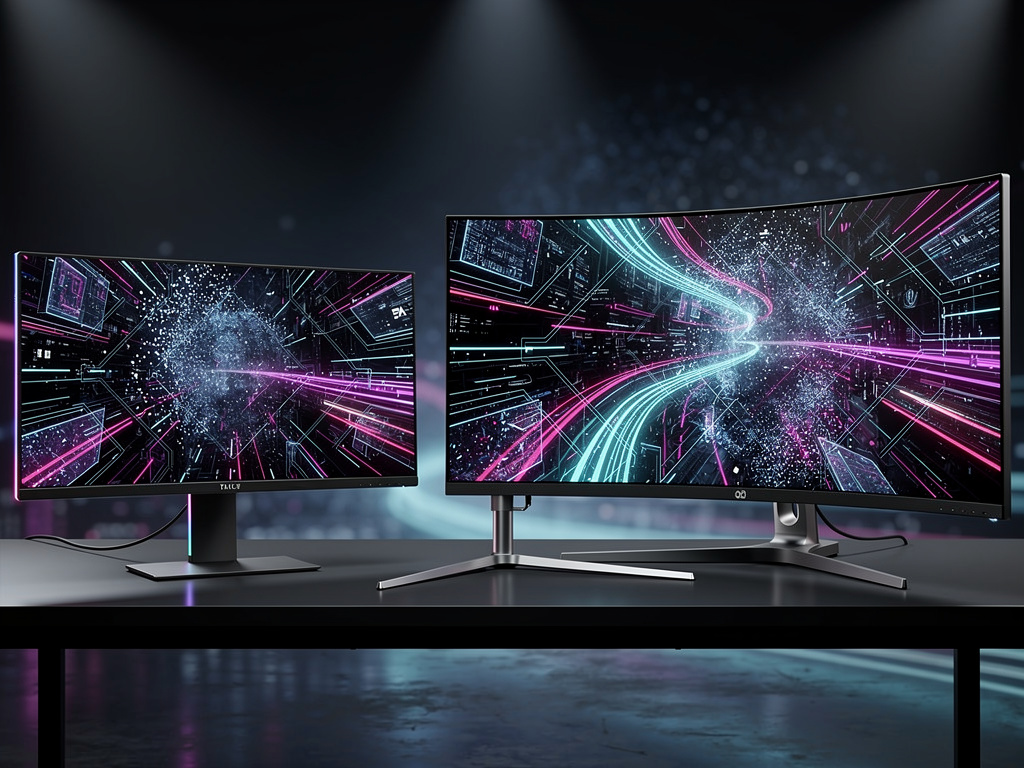
Drawing from recent announcements, the UltraGear evo series includes several models tailored to different user needs. At the forefront is a 27-inch 5K Mini LED monitor, a 39-inch curved Tandem OLED display, and an impressive 52-inch 5K2K large-format screen. These monitors are designed not just for raw performance but for intelligent enhancement, where AI processes lower-resolution inputs and upscales them to near-native 5K quality on the fly. This technology promises to alleviate the burden on graphics processing units (GPUs), allowing even mid-tier hardware to achieve stunning visuals that were previously the domain of top-end setups.
Industry observers note that this move by LG aligns with broader trends in display technology, where artificial intelligence is increasingly integrated to optimize performance. For instance, the AI upscaling works by analyzing content in real-time, enhancing details, reducing artifacts, and maintaining high frame rates. According to details shared in a press release from LG Newsroom, the technology expands the boundaries of high-resolution gaming across OLED, Mini LED, and ultra-wide formats, marking a pivotal shift toward smarter, more accessible premium displays.
Pioneering AI Integration in Display Tech
The core innovation here is LG’s proprietary AI upscaling engine, embedded directly into the monitor’s hardware. Unlike traditional upscaling methods that rely on external software or GPU capabilities, this on-device system processes images independently, which could lead to lower latency and more consistent results. Insiders suggest this is achieved through a dedicated AI chip that handles tasks like edge enhancement and noise reduction, ensuring that games rendered at 4K or lower appear as if they were natively 5K.
Comparisons to existing technologies, such as NVIDIA’s DLSS or AMD’s FSR, are inevitable, but LG’s implementation stands out for being monitor-agnostic and not requiring specific GPU support. This universality could democratize high-end gaming, making it feasible for a wider audience without necessitating expensive upgrades. Reports from Tom’s Hardware highlight that the lineup debuts three flagship models, each optimized for different scenarios: the compact 27-inch for competitive play, the immersive 39-inch curved for cinematic experiences, and the massive 52-inch for multi-tasking or large-scale simulations.
Beyond gaming, these monitors hold promise for creative professionals. The 5K resolution offers pixel densities that rival professional-grade displays, with the Mini LED variant incorporating anti-blooming technology to minimize light bleed and enhance contrast. As noted in coverage by AppleInsider, one model in the series is particularly suited to Mac users, suggesting cross-platform compatibility that could appeal to video editors, graphic designers, and other content creators who require precise color accuracy and high detail.
Model Breakdown and Technical Specifications
Diving deeper into the specifics, the 27-inch 5K Mini LED monitor boasts a resolution of 5120×2880, paired with a high refresh rate likely exceeding 144Hz, though exact figures will be confirmed at CES. Its Mini LED backlighting provides superior brightness and local dimming zones, which, combined with AI upscaling, ensures vibrant HDR content without the halo effects common in lesser displays. This model is expected to support variable refresh rate technologies like AMD FreeSync and NVIDIA G-Sync, making it versatile for various gaming ecosystems.
The 39-inch curved Tandem OLED takes a different tack, leveraging dual-layer OLED panels for enhanced brightness and longevity. Tandem OLED technology stacks two emissive layers to double light output while reducing burn-in risks, a common concern with organic displays. According to insights from Engadget, these monitors promise 5K visuals that push the envelope in terms of immersion, with the curvature enhancing peripheral vision for genres like racing or flight simulators.
Then there’s the standout 52-inch 5K2K model, which stretches to a 5120×2160 resolution in an ultra-wide aspect ratio. This behemoth is ideal for productivity setups or multiplayer gaming, where screen real estate is paramount. Posts on X from tech enthusiasts, including accounts like LG Global, emphasize its on-device AI capabilities, generating buzz about how it could transform home entertainment hubs. The sentiment on social platforms indicates excitement over the potential for seamless integration with next-gen consoles and PCs, though some users speculate on pricing and availability.
Market Implications and Competitive Positioning
LG’s timing with this launch is strategic, as CES 2026 approaches amid a surge in demand for AI-enhanced consumer tech. By embedding AI directly into monitors, LG is not only addressing performance bottlenecks but also future-proofing its products against evolving content standards. Analysts point out that this could pressure competitors like Samsung and ASUS to accelerate their own AI integrations, potentially sparking a new wave of innovation in the display sector.
From a business perspective, LG’s move builds on its established UltraGear brand, which has gained traction among esports professionals for its reliable performance. The evo sub-lineup represents an evolution, incorporating feedback from previous models to refine ergonomics, connectivity, and energy efficiency. Details from Analytics Insight underscore how the series redefines high-end gaming with OLED and Mini LED options, positioning LG as a leader in premium monitors.
However, challenges remain. The high cost of 5K panels could limit accessibility, and while AI upscaling mitigates GPU demands, it may not fully replicate native resolutions in all scenarios. Industry insiders, referencing discussions on X, note concerns about power consumption and heat management in these advanced displays, especially the larger models. LG has yet to disclose pricing, but expectations are for a premium tier, with the 27-inch possibly starting around $1,500, scaling up for larger variants.
Broader Industry Trends and Future Outlook
Looking at the bigger picture, LG’s AI upscaling technology taps into the growing intersection of AI and hardware. Similar to how AI has revolutionized image processing in smartphones, its application here could set precedents for other devices, from TVs to automotive displays. Coverage in Interesting Engineering describes how these monitors promise 5K-class clarity without GPU upgrades, a boon for users with older systems.
In terms of ecosystem integration, the monitors support a range of inputs including HDMI 2.1 and DisplayPort 2.0, ensuring compatibility with the latest hardware. For gamers, features like low input lag and customizable RGB lighting add to the appeal, while professionals benefit from color calibration tools. As per reports from Business Standard, the lineup’s on-device AI is a key differentiator, enabling features like adaptive brightness and content-aware scaling.
Social media buzz on X further amplifies the anticipation, with posts from influencers highlighting the potential for immersive experiences. One recurring theme is the technology’s role in bridging the gap between casual and hardcore gaming, making high-res play more inclusive. LG’s global launch strategy, as outlined in its announcements, aims for availability shortly after CES, with demonstrations at the event expected to showcase real-world performance.
Technological Underpinnings and Potential Drawbacks
At the heart of LG’s innovation is the AI algorithm, trained on vast datasets of gaming content to predict and enhance visual elements. This involves machine learning models that upscale textures, sharpen edges, and even interpolate frames for smoother motion. Unlike software-based solutions, the hardware integration minimizes dependency on external factors, potentially offering a more stable experience across different games and applications.
Yet, for all its promise, the technology isn’t without scrutiny. Some experts question the fidelity of AI-generated details, arguing that while impressive, it may introduce subtle artifacts in complex scenes. Drawing from the MSN article on MSN, which details the debut, there’s emphasis on how this first-of-its-kind tech could evolve with firmware updates, addressing any initial shortcomings.
Comparatively, rivals like Dell’s Alienware series or Corsair’s offerings have pushed boundaries in refresh rates and resolutions, but LG’s AI focus gives it an edge in efficiency. Industry forecasts suggest that by 2027, AI-enhanced displays could capture a significant market share, driven by advancements in chip design and manufacturing.
Strategic Moves and Consumer Impact
LG’s investment in this technology reflects a broader corporate strategy to lead in AI-driven consumer electronics. The company’s history with OLED innovations, as seen in past CES unveilings, positions it well to capitalize on this. For consumers, the UltraGear evo series means access to cutting-edge features without immediate hardware overhauls, potentially extending the lifespan of existing setups.
In educational and enterprise contexts, these monitors could find applications in simulation training or data visualization, where high resolution and AI assistance enhance usability. Feedback from X posts indicates strong interest from the creative community, with mentions of compatibility with tools like Adobe Suite.
Ultimately, as CES 2026 draws near, LG’s announcement serves as a harbinger of what’s next in display tech. By blending AI with high-res hardware, the company is not just selling monitors but a vision of smarter, more efficient gaming and productivity. Whether this translates to widespread adoption will depend on hands-on reviews and market reception, but the groundwork laid here points to an exciting trajectory for the industry.


 WebProNews is an iEntry Publication