
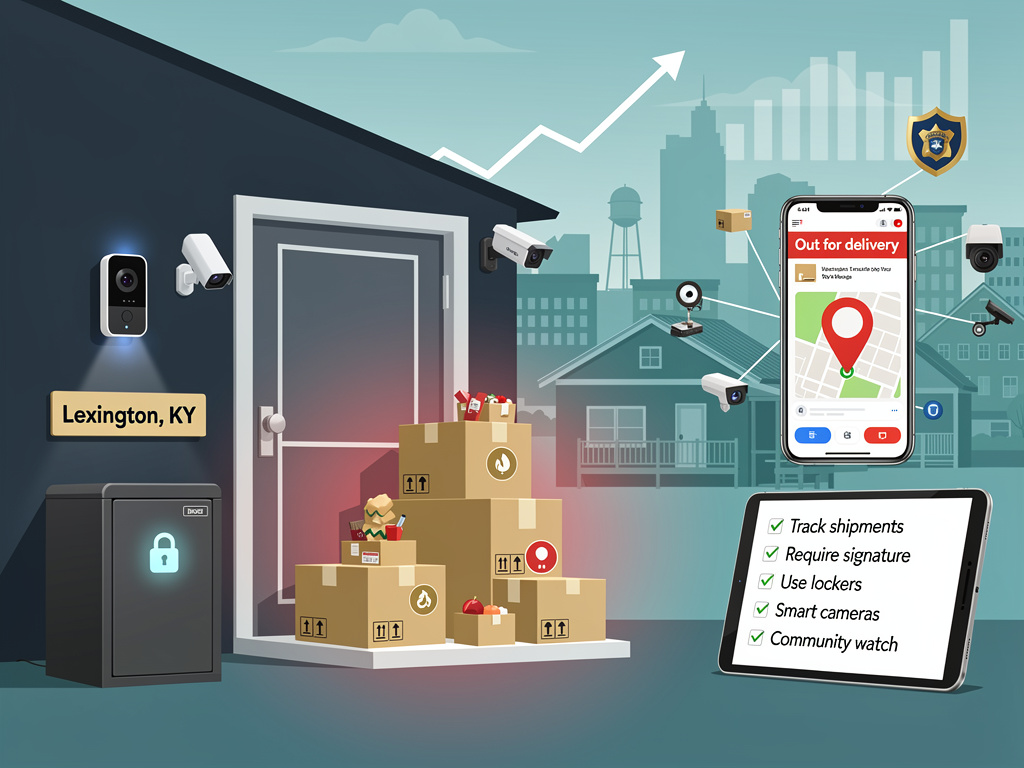
As the holiday season ramps up in 2025, with online shopping projected to hit record highs, a familiar foe reemerges: the porch pirate. In Lexington, Kentucky, local law enforcement is sounding the alarm, urging residents to adopt proactive measures against package theft. According to a recent report from the Lexington Police Department, shared via MSN, incidents of stolen deliveries spike dramatically during this period, fueled by the sheer volume of parcels left unattended on doorsteps. Officers emphasize that simple vigilance can make all the difference, drawing on data that shows one in four Americans falling victim to such crimes annually.
This year, the stakes are higher with e-commerce giants like Amazon and Walmart reporting unprecedented order volumes, exacerbated by supply chain efficiencies that promise faster deliveries but often at the cost of security. Industry insiders point to a surge in thefts among urban and suburban areas, where apartment complexes bear the brunt. A comprehensive study from Security.org reveals that apartment dwellers are hit hardest, with theft rates climbing to 25% in densely populated regions like Lexington. Police recommend starting with basic tracking: using apps from carriers such as UPS or FedEx to monitor shipments in real time and retrieve them promptly upon arrival.
Beyond tracking, requiring a signature for high-value items adds a layer of protection, ensuring packages aren’t left exposed. Lexington authorities also advocate for alternative delivery spots, such as workplaces or secure lockers provided by services like Amazon Locker. These strategies aren’t new, but their effectiveness is backed by fresh data; for instance, neighborhoods with community watch programs report up to 40% fewer incidents, according to local crime statistics.
Rising Threats in a Digital Delivery Era
The evolution of package theft reflects broader shifts in consumer behavior and criminal tactics. In 2025, with drone deliveries and AI-optimized routes becoming commonplace, thieves are adapting, using social media to scout vulnerable homes. Posts on platforms like X highlight this trend, where users share stories of brazen daylight grabs, often captured on doorbell cameras. One such post from a Kentucky-based news outlet underscores the urgency, noting that holiday packages filled with gifts are prime targets, increasing risks in areas like Lexington.
Experts from cybersecurity circles, including those at CyberGuy, outline 10 proven methods to thwart these crimes, ranging from visible deterrents to tech integrations. Installing smart doorbells with motion-activated alerts, for example, not only records potential thieves but also notifies homeowners instantly via smartphone. In Lexington, police have partnered with tech firms to promote these devices, citing cases where footage led to swift arrests.
Moreover, the integration of smart home ecosystems plays a pivotal role. Devices like Ring cameras, which saw a 200% uptick in holiday-related theft detections in past seasons, now feature AI that distinguishes between delivery personnel and suspicious lurkers. Community vigilance amplifies this; neighbors forming informal pacts to watch each other’s porches have proven effective, as detailed in reports from KPQ, which lists collaborative steps among its top prevention tips.
Technological Shields Against Porch Predators
Delving deeper into tech solutions, industry analysts highlight the role of secure delivery boxes and automated lockers. These aren’t mere conveniences; they’re fortified barriers. For instance, products like the Yale Smart Delivery Box use biometric locks and app controls to ensure only authorized users access contents. Lexington police, in their advisory, encourage residents to invest in such hardware, especially for those in high-risk zones where theft reports have doubled since 2023.
Insurance providers are also weighing in, with policies increasingly covering theft but only if preventive measures are in place. A feature from KRDO outlines five key tips, including leveraging smart lighting to illuminate porches at dusk, deterring opportunistic thieves. Data from insurers shows that homes with visible security features file 30% fewer claims, a statistic that resonates in communities like Lexington, where winter’s early darkness compounds vulnerabilities.
On the software side, delivery apps now offer “invisible” shipping options, where packages are concealed in discreet locations specified by the recipient. This innovation, praised in analyses from KEYW, reduces exposure time. For businesses, this means rethinking logistics; some retailers are piloting “neighborhood hubs” where packages are dropped at trusted local stores, cutting theft risks by 50% in pilot programs.
Community and Law Enforcement Synergies
Law enforcement’s role extends beyond tips to active interventions. In Lexington, undercover operations mimicking those in Everett, Washington—where police used bait packages to nab thieves—have yielded arrests. Insights from X posts by various police departments, including historical stings, reveal patterns: thieves often follow delivery trucks, striking within minutes of drop-off. This has prompted calls for coordinated patrols during peak hours.
Collaboration with neighbors forms a human firewall. Programs like those promoted by 97 Rock Online encourage group chats for real-time alerts, turning isolated homes into networked fortresses. In apartment settings, building managers are installing communal lockers, a move endorsed by security experts to address the disproportionate impact on multifamily residences.
Furthermore, educating the public on red flags—such as unmarked vehicles loitering or individuals posing as delivery personnel—is crucial. Lexington’s campaign includes workshops, drawing from national trends where social engineering tactics have evolved. Reports indicate that thieves now use apps to spoof tracking notifications, tricking recipients into revealing package details.
Economic Impacts and Broader Implications
The financial toll of package theft is staggering, with estimates from Security.org pegging annual losses at billions nationwide. In 2025, this burden falls heaviest on small businesses and consumers, who face replacement costs and eroded trust in online retail. Lexington’s economy, with its mix of urban shoppers and suburban sprawl, mirrors national patterns; local merchants report a 15% dip in holiday sales confidence due to theft fears.
Insurers are responding by adjusting premiums based on security setups. As noted in NewsTalk KIT, tips like mastering delivery tracking can lower risks and claims. This ties into a larger dialogue on supply chain resilience, where companies are investing in blockchain for tamper-proof tracking, ensuring packages’ journeys are verifiable from warehouse to doorstep.
On a policy level, advocates push for stricter penalties. In states like Kentucky, legislation is under review to classify repeat porch piracy as a felony, inspired by successful models elsewhere. This could deter organized rings, which intelligence suggests are behind 20% of thefts, often reselling goods on black markets.
Innovative Strategies for Future-Proofing
Looking ahead, emerging technologies promise to redefine prevention. AI-driven predictive analytics, for instance, can forecast high-risk delivery times based on historical data, alerting users preemptively. Startups are developing drone-secured drop zones, while augmented reality apps let homeowners virtually “hide” packages in plain sight through optical illusions—though still in beta.
Lexington police are exploring partnerships with tech incubators to pilot these tools, aiming to stay ahead of adaptive criminals. Community feedback, gathered via social media and town halls, shapes these initiatives, ensuring they address real-world pain points like rural deliveries, where isolation heightens risks.
Retailers, too, are innovating; some offer “theft-proof” packaging with GPS trackers embedded, allowing real-time recovery. This complements police efforts, creating a multi-layered defense that could reduce incidents by 60% if widely adopted, per projections from industry forecasts.
Sustaining Vigilance Beyond the Holidays
While the holiday rush amplifies threats, the principles of prevention apply year-round. Lexington residents are encouraged to maintain habits like breaking down boxes to avoid signaling valuable contents—a tip echoed in posts from various sheriff’s offices on X, emphasizing discretion in trash disposal.
Integrating these practices into daily routines builds long-term resilience. For industry insiders, this means advocating for standardized security protocols across carriers, potentially mandated by federal guidelines. Discussions in trade journals highlight the need for cross-sector collaboration to combat what has become a perennial challenge.
Ultimately, as e-commerce continues to dominate, the battle against porch pirates demands ongoing innovation and community resolve. In Lexington and beyond, blending technology, awareness, and enforcement offers a robust path forward, safeguarding the joy of the season from opportunistic shadows.


 WebProNews is an iEntry Publication