
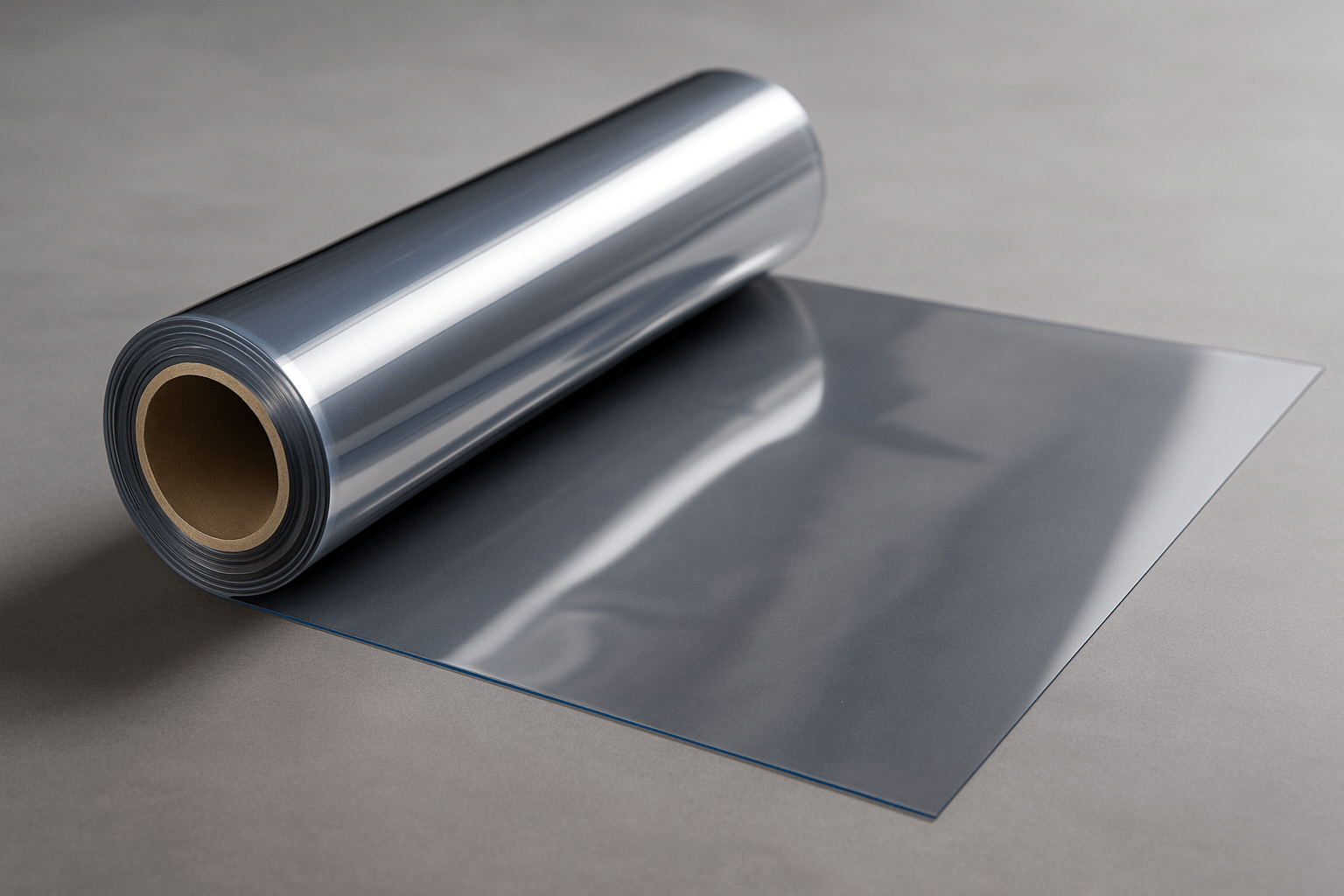
Businesses across many sectors continue searching for materials that balance durability, design freedom, and safety. Lexan film has steadily moved from being a niche choice to a dependable material used in products most people rely on every day. In 2025, its impact is especially noticeable as manufacturers adopt solutions that must endure tougher regulations, higher consumer expectations, and fast-paced product cycles. Below is a closer look at how different industries are applying Lexan film today, why it matters, and what buyers or decision-makers should know before choosing it for their own projects.
1. Automotive Interiors and Smart Displays
Automotive manufacturers are rethinking interior design as the shift toward cleaner and smarter vehicles continues. Lexan film has become a preferred option for interior trims, touch-control surfaces, dashboard overlays, and illuminated panels. Its clarity and formability allow designers to create modern, sleek interfaces without sacrificing impact strength.
What’s particularly helpful is its compatibility with backlit icons and integrated graphics. As cars adopt more digital interfaces, reliable films that maintain a consistent look through years of vibration, sunlight, and user interaction are essential. Lexan film performs well under these conditions, making it a practical choice for brands focused on long-lasting visual quality.
To explore technical grades and thickness options, many professionals rely on suppliers such as Lexan Film when comparing materials for automotive interior builds.
2. Consumer Electronics and Wearable Tech
Designers of smart home devices, tablets, wearables, and handheld tools rely heavily on thin, durable materials to protect circuits and displays. In 2025, Lexan film is frequently used for:
- Protective lens covers
- Keypad overlays
- Insulation layers inside batteries
- Decorative skins
Its resistance to cracking under repeated flex makes it especially suited for foldable devices and compact gadgets that must tolerate regular bending. Manufacturers also appreciate its stable surface for printing fine details that hold up well over time.
As more products aim for slimmer profiles, Lexan film offers structural support without adding unnecessary weight.
3. Medical Devices and Diagnostic Equipment
Hospitals and laboratories depend on surfaces that can withstand aggressive cleaning, frequent handling, and exposure to chemicals. Lexan film answers these needs with its disinfectant tolerance and optical clarity.
Common uses include:
- Control panels on diagnostic equipment
- Overlay films for touch interfaces
- Protective barriers for monitoring devices
- Labels and instructions that must remain legible after repeated sanitization
The material’s dependable performance under harsh lighting and constant cleaning cycles helps medical equipment manufacturers reduce returns and maintenance issues. For facilities that cannot afford service interruptions, this reliability plays a significant role in procurement decisions.
4. Industrial Control Panels and Machinery Labels
Factories are noisier, hotter, and rougher on components than most environments. Labels and user interfaces in such spaces must survive abrasion, chemicals, and heavy use. Lexan film is widely chosen for:
- Machine identification plates
- Safety labels
- Graphic overlays for control boards
- Protective surfaces on keypads
In 2025, more factories integrate touch-based controls into equipment that previously relied on mechanical buttons. The need for films that balance tactile response with durability is growing, and Lexan film fits that requirement well. It remains stable even when exposed to oils, coolants, and cleaning agents commonly found on industrial floors.
5. Point-of-Purchase Displays and Branding Elements
Retailers place strong emphasis on product presentation. Visual branding must stand out while staying intact through months of handling and exposure to lighting or temperature changes.
Lexan film helps designers achieve this by offering excellent print quality, scratch resistance, and dimensional stability. It works well for:
- Display signage
- Durable packaging windows
- Shelf branding
- Reusable promotional materials
Because it accepts a range of printing techniques, it gives marketing teams freedom to create vivid graphics without worrying about fading or peeling. Retailers benefit from reduced replacement cycles and consistently sharp presentation.
6. Aerospace Cabin Components
Aircraft interiors rely on materials that must be both lightweight and tough enough to handle constant movement and temperature variation. Lexan film is used throughout cabins for:
- Light diffusers
- Surface protection in high-touch areas
- Overlays for control panels
- Decorative elements that require precise color consistency
Airlines appreciate materials that maintain a clean appearance despite years of cleaning, pressure changes, and passenger use. Lexan film’s performance in these scenarios contributes to smoother upkeep and fewer replacements during maintenance checks.
What Buyers Should Consider in 2025
Before selecting any film for commercial production, it helps to compare:
- Thickness: Affects rigidity and print behavior
- Coatings: Options for anti-fog, anti-scratch, or textured surfaces
- Chemical compatibility
- Formability for curved or multi-layer builds
- Regulatory requirements in the target industry
These factors vary by application, and choosing the right combination early in the design process prevents delays later on.
For a broad view of materials and supply options, many professionals browse Film-sheet-products.com as part of their sourcing research.


 WebProNews is an iEntry Publication