
Qira: Lenovo’s Ambient AI Gambit to Fuse Devices and Daily Life
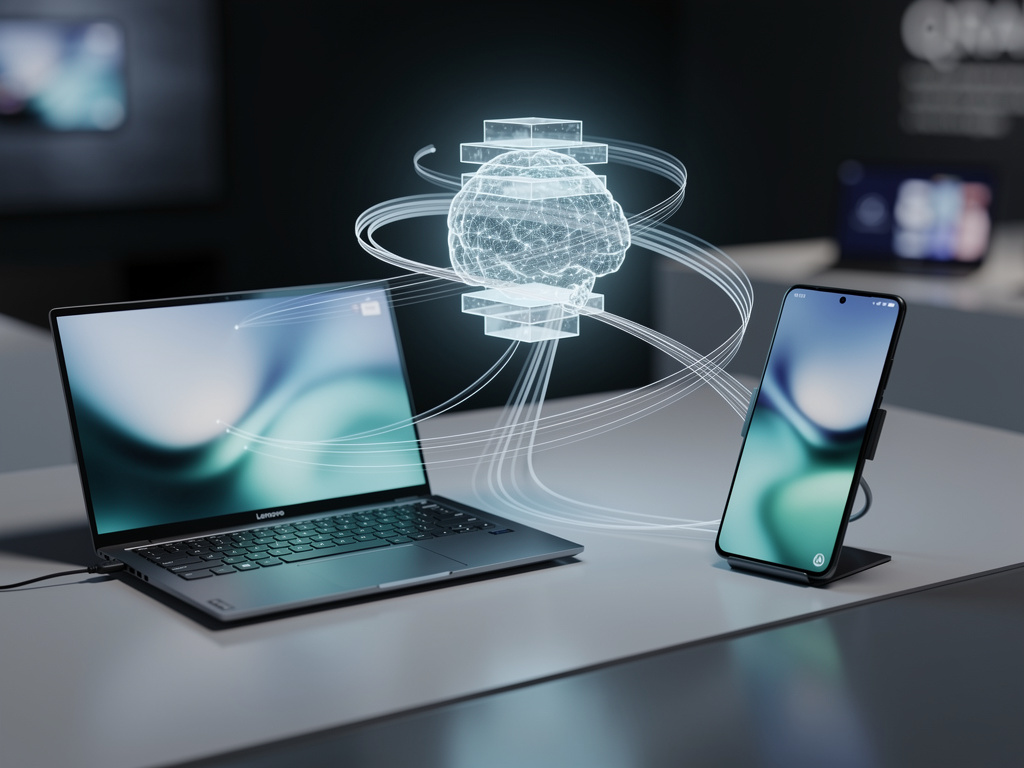
In the bustling halls of CES 2026, Lenovo unveiled what could be the most ambitious step yet in integrating artificial intelligence into everyday computing. Dubbed Qira, this new personal ambient intelligence promises to bridge the gap between laptops, smartphones, and other devices, creating a seamless ecosystem where AI anticipates needs and acts proactively. Drawing from announcements at the event, Qira isn’t just another voice assistant; it’s designed as a cross-device brain that understands context, learns from user behavior, and even takes actions on behalf of its owner. This development comes at a time when tech giants are racing to define the next generation of AI companions, but Lenovo’s approach, tied closely to its hardware lineup, sets it apart.
According to details shared in a press release from Lenovo StoryHub, Qira operates as a single intelligence layer across Lenovo PCs and Motorola phones, emphasizing personalization and proactivity. It’s built to handle tasks ranging from scheduling to content generation, all while maintaining privacy through on-device processing where possible. The system leverages hybrid AI models, combining personal data with enterprise and public resources, to deliver tailored experiences. This integration is particularly noteworthy for industry observers, as it addresses longstanding fragmentation in multi-device environments.
The unveiling at CES, held at the iconic Sphere in Las Vegas, highlighted Qira’s potential to transform mundane interactions. For instance, imagine your laptop seamlessly handing off a task to your phone as you leave the office, or the AI preemptively adjusting your calendar based on traffic patterns detected from your location data. Such capabilities stem from Lenovo’s collaboration with partners like Nvidia, which bolsters the underlying infrastructure for faster AI deployment.
From Concept to Cross-Device Reality
Lenovo’s journey to Qira builds on years of AI experimentation. As reported by The Verge, the assistant is engineered to avoid pitfalls that plagued earlier PC-based AI tools, such as limited functionality or privacy concerns. Qira aims to act autonomously in certain scenarios, like booking reservations or summarizing documents, provided users grant permission. This agentic quality—where AI doesn’t just respond but initiates—marks a shift toward more intuitive computing.
Further insights from Lenovo StoryHub reveal that Qira is part of a broader hybrid AI portfolio unveiled at the event. This includes uniting personal, enterprise, and public AI models to enhance applications in diverse fields, from sports analytics on the football pitch to efficiency gains in factory settings. The emphasis on perceptiveness means Qira can interpret environmental cues, such as ambient noise or user biometrics, to refine its responses.
Industry analysts see this as Lenovo’s strategic push to differentiate in a crowded market dominated by players like Apple and Google. By embedding Qira natively into its devices, Lenovo ensures a cohesive experience that competitors’ ecosystems sometimes lack. Posts on X from tech enthusiasts, including those praising the ambient nature of Qira, suggest growing excitement about its potential to make devices feel like extensions of the user rather than isolated tools.
Nvidia Partnership Fuels Enterprise Ambitions
A key enabler of Qira’s capabilities is Lenovo’s tie-up with Nvidia, detailed in coverage from The Economic Times. This collaboration introduces an “AI gigafactory” that accelerates the deployment of enterprise AI workloads, allowing cloud providers to transition from development to production swiftly. For Qira, this means robust backend support for complex computations that might exceed on-device limits, ensuring smooth performance across consumer and business use cases.
In practical terms, this partnership could enable Qira to handle sophisticated tasks like real-time data analysis for professionals. Imagine a factory manager using a Lenovo tablet where Qira predicts equipment failures by cross-referencing sensor data with historical patterns, all powered by Nvidia’s GPU prowess. Such integrations position Lenovo not just as a hardware maker but as a full-spectrum AI solutions provider.
Recent news from Reuters underscores the global implications, noting Lenovo’s status as the world’s largest PC manufacturer and its efforts to solidify a foothold in AI amid U.S.-China tech tensions. The gigafactory initiative is seen as a way to democratize AI access, potentially lowering barriers for smaller enterprises to adopt advanced tools.
Proofs of Concept Point to Future Innovations
Lenovo’s CES showcase extended beyond Qira to visionary proofs of concept, as outlined in another Lenovo StoryHub release. These include AI-enabled devices with bold designs, such as adaptive screens and ecosystem integrations that hint at Qira’s role in future hardware. For insiders, this signals Lenovo’s commitment to evolving personal computing into something more fluid and interconnected.
One standout aspect is Qira’s ambient intelligence, which allows it to operate in the background without constant user prompts. This draws parallels to earlier Lenovo innovations, like the Auto Twist AI PC concept mentioned in X posts from the company, where devices physically adapt to user needs. Qira extends this digitally, potentially automating routines like email sorting or travel planning based on learned preferences.
Critics, however, question the privacy implications of such pervasive AI. While Lenovo emphasizes user control and data security, the ability for Qira to “act on your behalf”—as highlighted in The Verge’s coverage—raises concerns about over-reliance or unintended actions. Industry watchers will be monitoring how Lenovo balances innovation with ethical safeguards.
Business Innovation Meets Consumer Appeal
Shifting focus to hardware, Lenovo’s CES announcements included new Windows 11 devices optimized for Qira, per details in Lenovo StoryHub. These laptops and desktops boast enhanced performance and adaptability, making them ideal vessels for the AI assistant. For business users, this means trusted reliability in high-stakes environments, where Qira could streamline workflows like collaborative editing or predictive analytics.
On the consumer side, integration with Motorola phones—Lenovo’s subsidiary—creates a unified experience. As noted in PCMag, Qira finally “connects the dots” between PCs and mobiles, allowing real-time handoffs that feel effortless. This could redefine how users interact with their tech stack, turning disparate gadgets into a harmonious network.
X posts from users and influencers, such as those describing Qira as a “continuous digital companionship,” reflect positive sentiment. One post likened it to an “overworked personal assistant,” capturing the proactive essence that could appeal to busy professionals juggling multiple devices.
Challenges and Competitive Pressures
Despite the hype, Qira faces hurdles in a market teeming with AI assistants. Competitors like Microsoft’s Copilot or Google’s Gemini offer similar features, but Lenovo’s hardware-centric approach might give it an edge in seamlessness. Still, adoption depends on proving value without overwhelming users, a point echoed in discussions on X where skeptics question if it’s just another gimmick.
Lenovo’s track record with AI, including past introductions like the ThinkPad X1 series with Intel-powered enhancements, provides a foundation. References to these in older X posts from Lenovo highlight a consistent push toward smarter devices, now culminating in Qira.
For insiders, the real test will be scalability. Can Qira expand beyond Lenovo’s ecosystem without alienating users invested in other brands? Partnerships like the one with Nvidia suggest yes, but execution will be key.
Ecosystem Expansion and User-Centric Design
Looking ahead, Qira’s design philosophy centers on personalization, drawing from user data to become more perceptive over time. This aligns with Lenovo’s vision of AI that transforms industries, from healthcare to manufacturing, as teased in their CES presentations.
Integration with wearables and tablets could further amplify its ambient presence, making it a constant companion. Industry reports indicate this multi-device strategy addresses pain points like context loss during switches, a common frustration in today’s fragmented tech environment.
User feedback from early previews, gleaned from X, praises the intuitive nature, with some calling it a game-changer for productivity. Yet, ensuring inclusivity—such as accessibility features for diverse users—will be crucial for broad acceptance.
Strategic Implications for Lenovo’s Future
As the world’s top PC maker, Lenovo’s investment in Qira represents a pivot toward AI-driven revenue streams. By bundling it with new devices, the company could boost sales while collecting valuable data to refine the system.
Collaborations extend this strategy; the Nvidia tie-up not only powers Qira but positions Lenovo in the enterprise AI space, potentially opening doors to cloud services and beyond.
Ultimately, Qira embodies Lenovo’s bet that the future of computing lies in ambient, proactive intelligence. If successful, it could redefine user expectations, making devices smarter and lives more efficient.
Global Reach and Market Dynamics
On a global scale, Qira’s rollout will test Lenovo’s ability to navigate regulatory environments, especially in regions with strict data laws. Coverage from Reuters notes the U.S.-China dynamics, but Lenovo’s multinational presence could help mitigate risks.
In emerging markets, where Motorola has strong footing, Qira might democratize advanced AI, offering features like language translation or educational tools tailored to local needs.
X sentiment from international users already shows curiosity, with posts in various languages discussing its potential impact on daily life.
Innovation Trajectory and Long-Term Vision
Lenovo’s proofs of concept at CES, including AI ecosystems, foreshadow expansions like Qira-enabled smart homes or automotive integrations. This holistic view positions the company as a leader in the evolving AI arena.
For industry insiders, monitoring Qira’s updates will reveal how Lenovo iterates based on user input, potentially incorporating feedback from platforms like X to enhance features.
In essence, Qira isn’t just an assistant; it’s Lenovo’s blueprint for a connected, intelligent world, where technology anticipates rather than reacts. As adoption grows, its influence could ripple across the tech sector, inspiring similar innovations from rivals.


 WebProNews is an iEntry Publication