
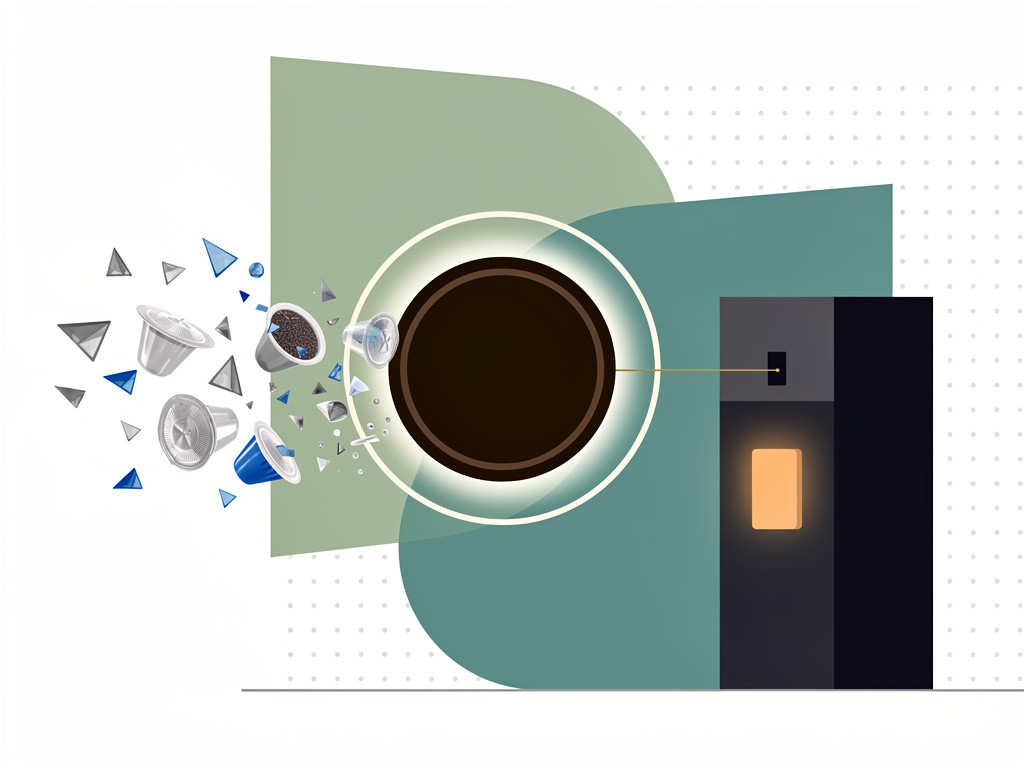
Lavazza has done what many in the single-serve coffee sector long considered impossible. The Italian company just introduced Tablì, a system built around tablets formed from nothing but compressed ground coffee. No plastic. No aluminum. No plant-based coating. Just coffee.
The move comes at a moment when consumers grow more aware of microplastics shed during brewing. Time reported last year that studies show materials in traditional pods can release these particles straight into the cup. Concerns like these have pushed manufacturers to experiment with alternatives. Yet most efforts still rely on some form of packaging or liner.
Lavazza took a different path. Its Tablì tabs consist of 100% coffee. The company presses and shapes the grounds into a stable form that holds together through the brewing process. A dedicated machine, designed exclusively for these tabs, handles the extraction. And the result? A clean espresso or coffee with rich crema and zero added waste from the pod itself.
Pure coffee. The concept sounds straightforward. Execution proved anything but.
According to details shared in recent coverage, the tablets require no gelatin, binder or external coating. CNBC noted on June 8, 2026 that Lavazza will officially launch Tablì in the U.S. in August. Pre-orders for a $99.99 bundle opened immediately. That package includes the machine, a 60-count variety pack of tabs and a milk frother. The system targets espresso lovers who want convenience without the environmental trade-offs.
Industry watchers immediately drew comparisons to Keurig. The American giant spent years defending its polypropylene K-Cups against criticism over recyclability and waste. Keurig has since made all its pods from recyclable #5 plastic and invested millions to expand polypropylene recycling infrastructure. It also revealed plans for K-Rounds, plant-based, potentially compostable alternatives wrapped in a proprietary coating. Those require a new Alta brewer. Yet they still incorporate a protective layer.
Lavazza appears to have beaten Keurig to a true zero-additive solution. The CNET article that first drew wide attention to the development framed it as Lavazza getting there first. Its pods, or rather tablets, dissolve the problem of pod waste by eliminating the pod. After brewing, users simply dispose of the used coffee grounds. No sorting. No special recycling stream.
But this purity comes with a catch. The Tablì tabs only function in Lavazza’s new machine. Existing Keurig or Nespresso owners cannot drop one in and go. That closed system echoes the strategy Nespresso and others have used for years. It locks consumers into the brand’s ecosystem while ensuring optimal performance. The machine incorporates features like Crema Plus technology to deliver velvety texture and persistent foam.
Lavazza’s history with sustainability efforts adds context. The company previously rolled out compostable capsules in Europe, aiming to convert its entire home capsule line. Those faced scrutiny. In 2025 the UK’s Advertising Standards Authority ruled that Lavazza’s “compostable” claims in ads could mislead consumers because the capsules required industrial facilities rather than home composting. The Guardian covered the ruling in April 2025. The episode highlighted how tricky language around eco-friendly pods can become.
Tablì sidesteps those debates entirely. With nothing but coffee, questions about compostability or recyclability of the container vanish. The spent tab returns to the earth much like traditional grounds. Lavazza positions the product as the cleanest expression of its coffee expertise.
Design observers first encountered the concept during Milan Design Week 2025. DesignWanted described the innovation as radical in its simplicity. No capsule. No shell. Just compressed coffee engineered for a rich sensory experience. The installation there emphasized the product’s visual and functional purity. It presented a future where the single-serve format leaves no trace beyond the beverage itself.
Technical challenges had to be overcome. Coffee grounds naturally expand and can turn to mud under pressure. Creating a self-contained tablet that withstands hot water flow without disintegrating prematurely or clogging the machine demanded precise control over density, grind size and compression. Lavazza spent years refining the process before public reveal.
So what does this mean for the broader market? Single-serve coffee sales continue climbing despite environmental backlash. Consumers want speed and consistency. They also increasingly reject products that generate persistent waste. Lavazza’s entry raises the bar. Competitors must now consider whether partial improvements suffice or if radical redesigns are necessary.
Keurig’s response will prove telling. The company has poured resources into its recyclable pods and the upcoming K-Rounds. Its scale gives it enormous reach. Yet Lavazza, with its deep espresso heritage, brings Italian craftsmanship to the conversation. The two approaches reflect different philosophies. One improves the existing plastic pod. The other erases it.
Early reaction on X mixed excitement with practical questions. Some users praised the zero-plastic claim. Others wondered about cost per serving and whether the tablets deliver crema comparable to traditional capsules. Availability will determine adoption. The August U.S. launch gives Lavazza time to build buzz while refining supply chains.
One thing feels clear. The era of ignoring single-serve coffee’s environmental footprint has ended. Microplastics research continues to accumulate. Regulatory pressure on packaging waste grows. Companies that offer genuine solutions stand to gain loyalty from discerning buyers.
Lavazza bet big on coffee alone. The tablets represent more than a new product. They signal a shift toward materials that match the simplicity of the drink itself. Whether the system catches on depends on taste, price, convenience and how well the machine performs over time.
But the idea has landed. A pod made entirely of coffee. No plastic involved. The conversation about sustainable single-serve coffee just gained a compelling new chapter.


 WebProNews is an iEntry Publication