
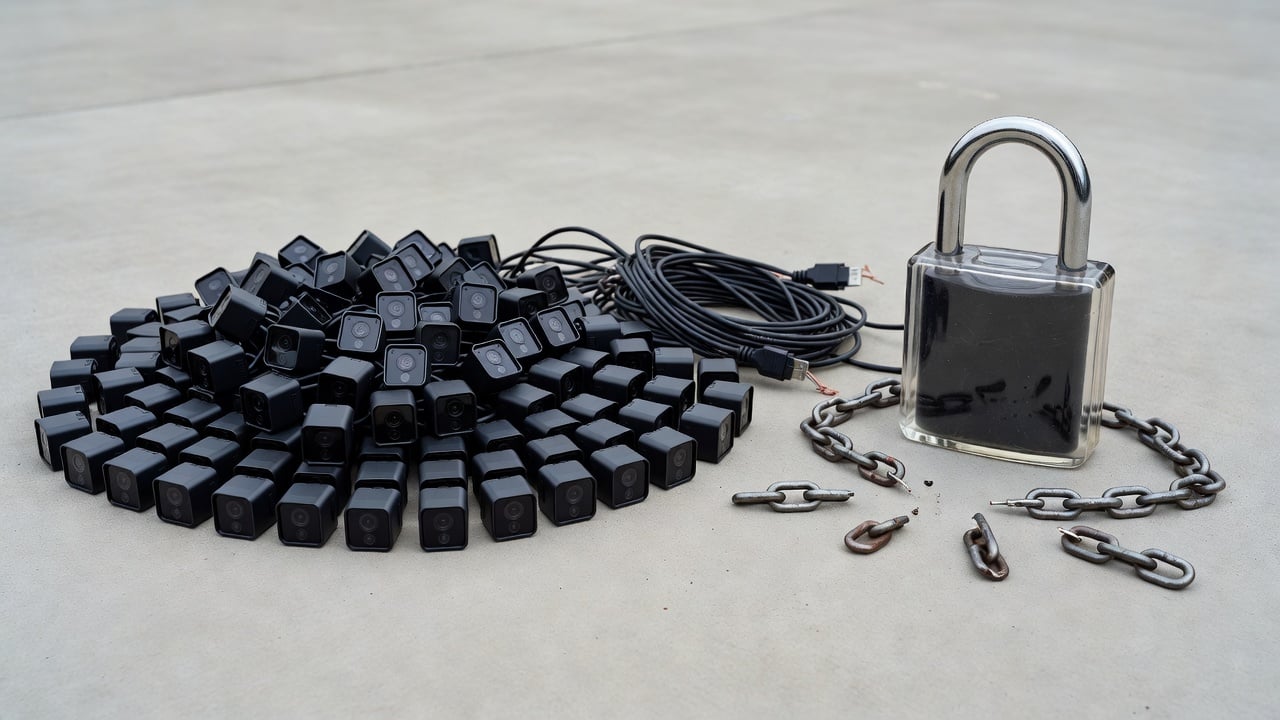
The Los Angeles Police Department made a striking choice this month. It let a three-year contract with Flock Safety expire without renewal. The decision, effective July 11, 2026, halts access to 138 pole-mounted cameras that captured license plate data across the city. Privacy advocates call it a significant win. They see it as a rare pushback against the spread of automated tracking tools that monitor everyday drivers without warrants.
Concerns centered on data ownership, retention policies, potential sharing with federal agencies and the absence of strong safeguards. LAPD Chief Information Officer Dean Gialamas put it plainly. “The LAPD had to make the difficult decision, in this case discontinuing using Flock services until we can get those data, privacy, security and other concerns resolved,” he told ABC7. The department cited “serious concerns around civil liberties and civil rights issues, particularly around privacy and the data that is being collected from these cameras.”
But this isn’t just another contract dispute. It reflects growing unease with systems that log vehicle movements on a massive scale. Flock Safety’s network creates detailed location histories. Officers query them for investigations. Yet without tight controls, the data risks broader use. An LAPD Office of the Inspector General audit in July 2026 flagged the gaps. It recommended pausing new automated license plate reader deployments until contracts include “enforceable requirements governing data security, privacy, access controls, retention and auditing.”
The three-year deal, signed in July 2023, simply ran its course. No new terms satisfied the department’s demands for clarity on who owns the captured information, how long it stays stored, breach notification rules or limits on third-party access. And the implications stretch further. Activists worried the feeds could aid immigration enforcement, especially under shifting federal priorities. Councilmember Eunisses Hernandez, who represents parts of Los Angeles, stressed the stakes. “Public safety cannot come at the cost of civil rights, immigrant protections, or the trust of the communities we serve,” she said in a statement to KTLA.
Flock Safety expressed surprise. The Atlanta-based firm quickly pushed back. A spokesperson told multiple outlets the company had worked closely with LAPD to build in “strong privacy protections, strict auditability, clear accountability and appropriate limits around data access.” In a prepared statement shared with Gizmodo, the company added, “While this latest development comes as a surprise, we remain committed to continuing our active and ongoing conversations with LAPD to find a path forward. We are confident that through ongoing discussions with LAPD, we can clear up the current misconceptions that led to Friday’s disappointing pause. We hope to resume our successful partnership with the department soon.”
Yet the LAPD held firm. Its own statement underscored commitment to “the highest standards of stewardship.” Officials plan to collaborate with vendors, including Flock, on updated agreements that “safeguard the interests of the LAPD, the city of Los Angeles and the Angelenos we serve.” For now, access ends. The department continues using other license plate reader vendors. Total ALPR assets include hundreds more units on vehicles, in cars and on mobile trailers.
This move stands out because Los Angeles rarely walks away from surveillance tools. The city has long embraced data-driven policing. But pressure mounted. Protesters gathered outside police headquarters in March 2026 and in the months that followed. They demanded an end to Flock’s role. The group Stop LAPD Spying Coalition went further. It sued the city in May 2026 seeking contract details. Hamid Khan, a coalition organizer, told the Los Angeles Times, “Our demand is that they should end all use of license-plate readers and not negotiate a new contract at all.”
Critics point to real risks. False alerts plague the systems. One audit revealed 161 mistaken stolen-vehicle hits in just two months, each triggering police stops of innocent drivers. Retention periods, often listed between seven and 30 days, still create permanent records when queried. And once data leaves local control, oversight vanishes. Reports from the Electronic Frontier Foundation have documented how similar networks feed into broader law enforcement databases, sometimes without clear policies against immigration handoffs. A June 2026 EFF analysis highlighted police using Flock data far beyond specific crimes. The pattern raised alarms about routine location tracking of ordinary citizens.
Other cities have taken similar steps. Mountain View, California, shut down its Flock cameras in February 2026 over unauthorized federal data access. Jurisdictions in Illinois, Texas, Washington and New York suspended or declined renewals, citing privacy and civil liberties. A University of Washington study from 2025 cataloged these pullbacks, noting fears that local systems effectively create national surveillance webs. Los Angeles now joins that list. Its decision carries extra weight given the department’s size and influence.
The victory feels tangible for privacy supporters. It shows sustained advocacy can force change. Community groups, legal challenges and internal audits combined to tip the scales. Councilmember Hernandez captured the sentiment. “This was never just about one vendor or one contract. It is about whether surveillance technology in Los Angeles is being used with clear rules, enforceable privacy protections, meaningful oversight, and full compliance with our sanctuary laws and civil rights commitments.”
Still, the cameras remain in place for now. Many are owned by neighborhood associations or private entities that partner with Flock. Physical removal isn’t automatic. Activists with groups like DeFlock have mapped the devices and, in some cases, disabled them. Such actions draw legal risks, yet they reflect deep distrust.
Flock itself has expanded aggressively. Its technology powers networks in thousands of communities. The firm markets rapid crime-solving through vehicle tracking. Results impress some police leaders. But the LAPD pause highlights the trade-offs. Public safety gains clash with expectations of anonymity on public roads. The Fourth Amendment looms large here. Courts increasingly scrutinize dragnet data collection. A recent Supreme Court ruling affirmed privacy interests in location tracking, adding legal momentum to these debates.
So what happens next? LAPD officials say talks continue. They want ironclad terms before any restart. Flock sounds optimistic about resuming. Privacy advocates, however, push for permanent rejection. They argue no contract can fully eliminate the chilling effect of constant monitoring. Data, once gathered, proves hard to contain.
The episode offers a case study for other departments. As automated readers multiply, questions of ownership, access and mission creep grow urgent. Los Angeles didn’t solve every issue. It did signal that privacy can prevail when concerns reach critical mass. That alone marks progress. Officials chose caution over convenience. They prioritized civil liberties in a city where surveillance once expanded with little debate.
Recent coverage reinforces the shift. Los Angeles Daily News reported the non-renewal on July 13, 2026, citing the same data and ownership worries. Business Insider and TechCrunch picked up the story, noting the civil liberties language. On X, users from advocacy accounts celebrated the news. One post from the group DeFlock highlighted the false alert numbers and called the expiration a direct result of public pressure.
Industry insiders should watch closely. Police technology vendors face rising scrutiny. Contracts that once sailed through now stall on audit findings and community input. The LAPD’s stand may inspire similar reviews elsewhere. It proves departments can say no. When they do, privacy scores a rare but meaningful victory.


 WebProNews is an iEntry Publication