
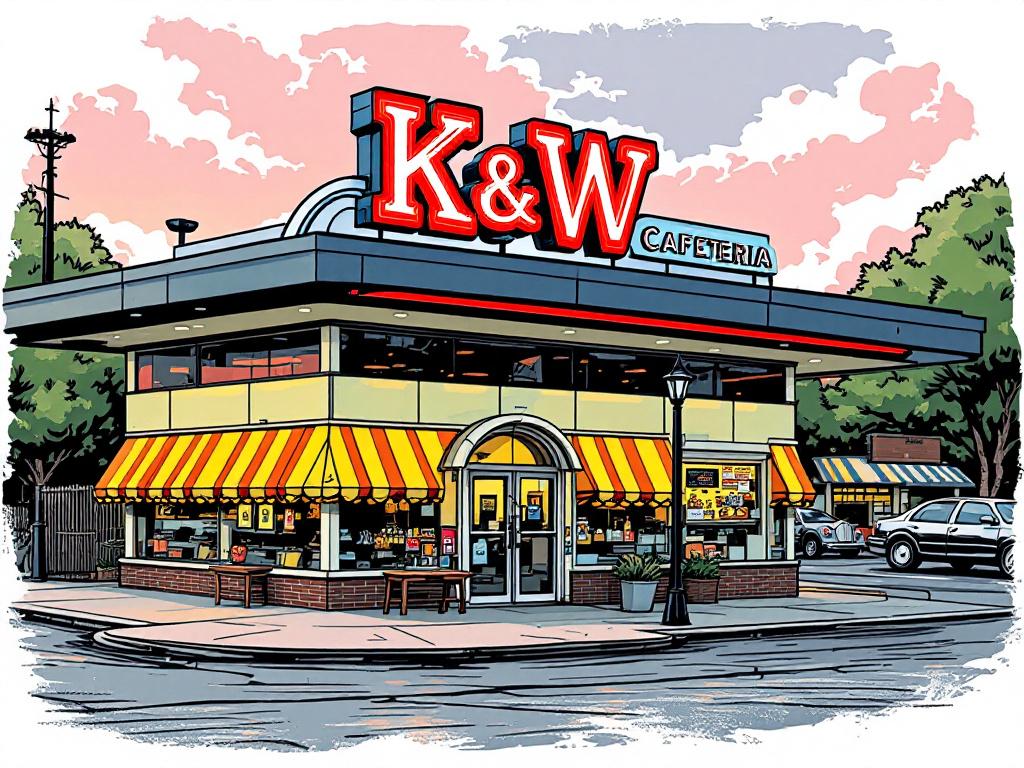
The Sudden Demise of a Southern Icon: Unpacking K&W Cafeteria’s Abrupt Closure
In the early hours of December 1, 2025, a simple Facebook post shattered the routines of countless Southern diners: K&W Cafeteria, a chain that had served homestyle meals for 88 years, announced the immediate closure of all its remaining locations. This wasn’t just the end of a restaurant chain; it marked the quiet erosion of a cultural touchstone in North Carolina and beyond, where families gathered for baked spaghetti, fried chicken, and a sense of community that felt increasingly rare in an era of fast-casual dominance. Founded in 1937 in Winston-Salem, North Carolina, by Grady T. Allred Sr. and two partners, K&W grew from a single cafeteria into a regional powerhouse, peaking at over 40 locations across several states. Its model—tray lines laden with comfort foods, affordable prices, and a no-frills atmosphere—resonated with working-class patrons, seniors, and anyone seeking a taste of home without the hassle of cooking.
The announcement came without warning, leaving employees and customers alike in shock. According to reports, the chain had been struggling for years, exacerbated by the COVID-19 pandemic, rising operational costs, and shifting consumer preferences. In 2020, K&W filed for Chapter 11 bankruptcy, citing debts exceeding $2 million and the devastating impact of lockdowns that crippled dine-in traffic. The company emerged from bankruptcy under new ownership, acquired by a rival operator, but the recovery proved fleeting. By 2025, only a handful of locations remained, concentrated in the Triad area of North Carolina, including Greensboro and Winston-Salem. The final post on the company’s Facebook page expressed regret but offered no detailed explanation, simply stating that all outlets would shutter effective immediately.
For industry observers, this closure underscores broader challenges facing traditional cafeteria-style eateries in a market increasingly favoring convenience and customization. Buffets and cafeterias, once staples of American dining, have seen a steady decline as health concerns, economic pressures, and the rise of delivery apps reshape eating habits. K&W’s fate echoes that of other chains like Souper Salad or Luby’s, which have either downsized dramatically or vanished entirely. Yet, what sets K&W apart is its deep roots in Southern culture, where it wasn’t just a place to eat but a social hub for generations.
A Legacy Built on Comfort and Community
Delving deeper into K&W’s history reveals a business model honed over decades. Starting with its first location, the chain emphasized value—meals that were hearty, inexpensive, and prepared with recipes passed down through the years. Signature dishes like country-style steak, macaroni and cheese, and an array of pies drew loyal crowds, particularly among older demographics who appreciated the familiarity. At its height in the 1980s and 1990s, K&W expanded into Virginia, South Carolina, and West Virginia, capitalizing on the post-war boom in family dining. Employees often stayed for decades, fostering a family-like atmosphere that customers cherished.
However, the 21st century brought headwinds. The 2008 financial crisis squeezed disposable incomes, and the rise of fast-food giants with drive-thrus and apps siphoned off younger patrons. By the time the pandemic hit, K&W was already vulnerable. As detailed in a 2020 filing reported by Business Insider, the chain’s bankruptcy documents highlighted plummeting revenues due to mandatory closures and capacity limits. Post-bankruptcy, the acquisition by Piccadilly Cafeterias in 2021 aimed to stabilize operations, but integration issues and ongoing cost inflation— from food supplies to labor—proved insurmountable.
Recent updates from local media paint a picture of quiet decline. Sources indicate that in the months leading up to the closure, some locations had reduced hours or menu options, signaling distress. Customers on social platforms expressed frustration over inconsistent quality, with some noting that portions seemed smaller and prices higher, eroding the value proposition that defined K&W.
Economic Pressures and Operational Realities
To understand the closure’s abruptness, one must examine the economic factors at play. Inflation in food costs has hit the restaurant sector hard, with wholesale prices for staples like meat and dairy surging over the past few years. For a cafeteria reliant on bulk preparation, these increases directly impacted margins. Labor shortages, a persistent issue since the pandemic, further compounded problems; finding staff willing to work in a high-volume, low-margin environment became challenging, leading to higher wages that strained budgets.
Industry analysts point to demographic shifts as another culprit. K&W’s core customer base—baby boomers and older—has been shrinking, while millennials and Gen Z prefer experiential dining or health-focused options. The chain’s resistance to modernization, such as adopting robust online ordering or delivery partnerships, left it outpaced by competitors. In contrast, chains like Cracker Barrel have adapted by enhancing digital presence and menu innovation, surviving similar pressures.
Moreover, the closure violated federal WARN Act requirements, which mandate 60 days’ notice for mass layoffs. As noted in posts on X (formerly Twitter), former employees and advocates are urging affected workers to contact state labor departments for recourse. This oversight highlights potential mismanagement in the final days, raising questions about executive decisions leading up to the shutdown.
Impact on Employees and Local Economies
The human toll of K&W’s closure is profound. Estimates suggest hundreds of employees across the remaining nine locations were left jobless overnight, many without severance or advance notice. In areas like Winston-Salem, where the chain was headquartered, the loss ripples through local suppliers and communities. Long-time workers, some with 20 or 30 years of service, shared stories of shock and uncertainty on social media, with one X post lamenting the end of a “family tradition” both in dining and employment.
Local economies in North Carolina’s Triad region feel the pinch acutely. K&W locations often anchored shopping centers or served as gathering spots for community events. Their absence could accelerate vacancies in already struggling retail areas, as foot traffic diminishes. Economic reports from sources like WRAL emphasize how the chain’s demise contributes to a broader trend of restaurant consolidations, with over 10,000 eateries closing nationwide in 2025 alone due to similar pressures.
For customers, the emotional impact is equally significant. Nostalgic tributes flooded online platforms, with patrons recounting childhood memories of Sunday lunches or holiday meals. One X user described K&W as “the last bastion of affordable Southern comfort,” underscoring the cultural void left behind. This sentiment reflects a larger shift away from communal dining experiences toward isolated, app-driven consumption.
Lessons for the Restaurant Sector
K&W’s story offers critical insights for restaurant operators navigating today’s volatile environment. Adaptability emerges as a key theme: successful chains have invested in technology, from AI-driven inventory management to customer loyalty apps, to streamline operations and engage younger demographics. K&W’s limited digital footprint—lacking a strong e-commerce presence—meant it missed out on the delivery boom that buoyed others during lockdowns.
Furthermore, supply chain resilience has become paramount. Chains that diversified suppliers or embraced local sourcing fared better amid global disruptions. K&W’s reliance on traditional procurement models left it exposed to price volatility, as highlighted in analyses from The Independent. Industry insiders suggest that future-proofing requires a blend of tradition and innovation, perhaps through hybrid models that combine cafeteria efficiency with modern twists like plant-based options or sustainable practices.
Regulatory lessons also abound. The apparent WARN Act violation could lead to legal repercussions, serving as a cautionary tale for abrupt closures. Experts recommend transparent communication and contingency planning to mitigate backlash and support displaced workers.
The Broader Industry Ripple Effects
Zooming out, K&W’s closure fits into a pattern of consolidation in the casual dining segment. Data from the National Restaurant Association indicates that buffet and cafeteria formats have declined by 15% over the past decade, squeezed by fast-casual upstarts like Chipotle or Sweetgreen. In the South, where comfort food reigns, this shift challenges regional identities, potentially paving the way for national chains to fill the gap.
Competitors may benefit in the short term. Rivals like Piccadilly, which once acquired K&W, could absorb market share, though they face similar headwinds. Emerging trends point toward ghost kitchens and virtual brands as alternatives, leveraging technology to deliver homestyle meals without physical footprints.
On X, discussions reveal mixed sentiments: some users mourn the loss, while others critique the chain’s failure to evolve, with one post noting rising prices and declining quality as long-standing issues. This public discourse underscores the need for brands to listen to feedback in real-time, using social media as a barometer for customer satisfaction.
Reflections on Cultural Preservation
As K&W fades into memory, questions arise about preserving culinary heritage. Initiatives like community cookbooks or pop-up events could revive beloved recipes, ensuring that dishes like K&W’s baked spaghetti live on. Museums or historical societies in North Carolina might archive the chain’s story, highlighting its role in Southern social history.
For entrepreneurs, the closure opens opportunities. Niche cafeterias focusing on health-conscious or ethnic variations could emerge, blending tradition with contemporary demands. Investment in employee training and retention might prevent similar fates, fostering loyalty that sustains businesses through tough times.
Ultimately, K&W’s end serves as a poignant reminder of impermanence in the food service world. While the chain’s trays may be stowed away, its influence on Southern dining endures, inspiring future generations to cherish communal meals amid an ever-changing backdrop of tastes and technologies. Reports from WFMY News 2 capture this nostalgia, with locals vowing to recreate favorites at home, keeping the spirit alive even as the doors close for good.


 WebProNews is an iEntry Publication