
Royal Echoes in Silicon Valley: King Charles’ Stark Warning to Nvidia’s AI Empire
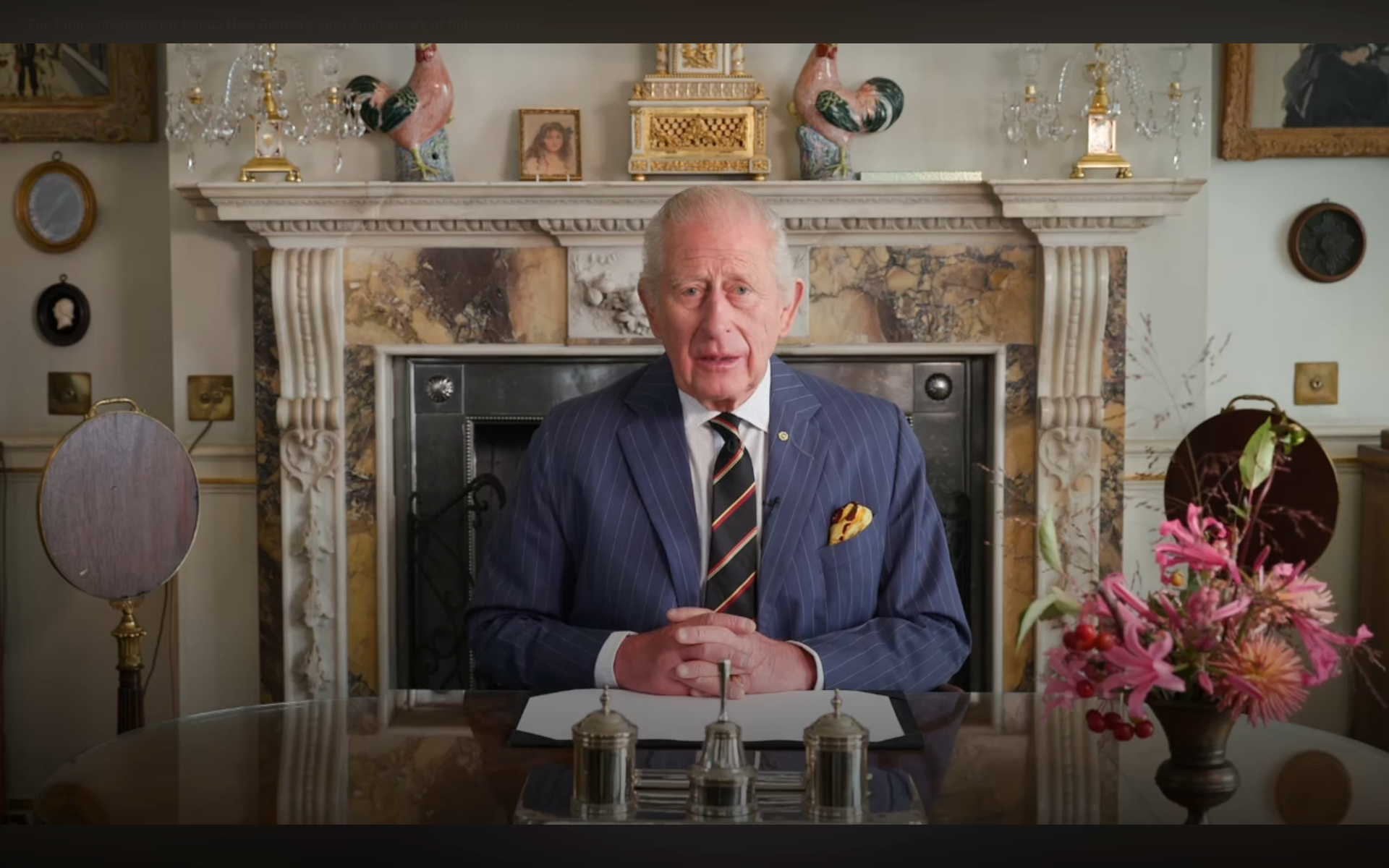
In the corridors of technological power, where silicon chips fuel the dreams of artificial intelligence, a message from an unexpected quarter has landed with the weight of history. Nvidia Corp.’s chief executive, Jensen Huang, recently received a personal note from King Charles III, accompanying a copy of the monarch’s 2023 speech on the perils of AI. This royal missive, delivered amid Huang’s receipt of a prestigious engineering award, underscores a growing chorus of concern about the unchecked advancement of AI technologies. As reported by the BBC, the king’s words likened AI’s significance to the discovery of electricity, yet urged immediate action on its risks, a sentiment that resonates deeply in an era of rapid innovation.
Huang, the leather-jacketed visionary behind Nvidia’s dominance in AI hardware, was honored with the Knight Commander of the Order of the British Empire for his contributions to technology. But the accolade came bundled with caution. The king’s speech, originally delivered at the AI Safety Summit in Bletchley Park, emphasized the need for global collaboration to mitigate AI’s downsides, from ethical dilemmas to existential threats. This isn’t mere pomp; it’s a pointed reminder to tech titans that their creations carry profound societal implications. Industry insiders note that such interventions from world leaders signal a shift toward greater scrutiny, potentially influencing regulatory frameworks worldwide.
For Nvidia, a company whose graphics processing units power everything from data centers to autonomous vehicles, this royal nudge arrives at a pivotal moment. The firm’s market capitalization has soared past $3 trillion, driven by insatiable demand for AI infrastructure. Yet, as Huang accepted his honor, the accompanying royal message served as a sobering counterpoint to the euphoria. Sources close to the event describe the exchange as a blend of celebration and admonition, highlighting the dual-edged sword of technological progress.
The Monarch’s Manifesto on Machine Intelligence
Delving deeper into the king’s speech, one finds a tapestry of historical analogies and forward-looking pleas. Charles warned that AI’s transformative power demands a proactive stance, much like humanity’s response to past innovations. He called for international treaties akin to those governing nuclear proliferation, a comparison that draws parallels to Cold War-era arms controls. This perspective, echoed in reports from Business Chief North America, positions AI not just as a tool for efficiency but as a potential disruptor of global stability.
The timing of this message coincides with Nvidia’s internal push for AI adoption. Leaked recordings reveal Huang admonishing managers who hesitate to integrate AI into workflows, questioning their sanity in resisting such tools. As detailed in Yahoo Finance, Huang assured employees that embracing AI won’t cost jobs but will enhance productivity, a stance that contrasts sharply with the king’s risk-averse tone. This internal fervor at Nvidia illustrates the company’s bet on AI as an unstoppable force, even as external voices like the monarch’s advocate for guardrails.
Beyond the royal correspondence, broader discussions on AI risks have permeated tech circles. Analysts point to concerns over data privacy, algorithmic bias, and job displacement, issues that Charles’ speech touches upon indirectly. In the U.K., where the award was bestowed, policymakers are ramping up efforts to align AI development with ethical standards, influenced by such high-profile endorsements.
Nvidia’s Ascendancy Amidst AI Anxieties
Nvidia’s trajectory under Huang has been nothing short of meteoric. From its roots in gaming graphics, the company has pivoted to become the linchpin of the AI revolution, supplying chips to giants like OpenAI and Google. Recent earnings reports, as covered by Tom’s Hardware, show record revenues, yet stock fluctuations reflect investor jitters about an AI bubble. Huang himself addressed these fears in a leaked meeting, describing the company’s position as a “no-win situation” where stellar performance still invites skepticism.
The royal message amplifies these bubble concerns. King Charles’ warning aligns with sentiments from financial analysts who worry about overinvestment in AI infrastructure. A piece in Fortune quotes Huang lamenting market reactions to Nvidia’s strong quarters, suggesting that hype and fear are two sides of the same coin. This dynamic plays out against a backdrop of massive data center buildouts, fueled by Nvidia’s hardware, raising questions about sustainability and economic viability.
On social platforms like X, formerly Twitter, users have amplified these debates. Posts from tech enthusiasts and investors highlight Huang’s predictions that AI will defend against its own dark sides, such as superhuman cyberattacks. One prominent account noted Nvidia’s CEO viewing AI as essential for every business, warning that ignorance could lead to bankruptcy. These online sentiments reflect a mix of optimism and apprehension, mirroring the king’s balanced critique.
Global Responses to AI’s Double-Edged Sword
Internationally, the king’s intervention fits into a mosaic of regulatory responses. In the European Union, the AI Act imposes strict guidelines on high-risk applications, while the U.S. grapples with fragmented state-level policies. Charles’ speech, by drawing on Britain’s historical role in code-breaking at Bletchley Park, invokes a sense of legacy in tackling modern challenges. Industry observers suggest this could inspire more transatlantic dialogues, potentially leading to standardized AI safety protocols.
Within Nvidia, Huang’s push for “total AI automation” among staff, as reported in TechStory, underscores a corporate culture that views AI as an enhancer rather than a threat. He predicts that AI will make workers busier by unlocking new ideas, countering fears of widespread unemployment. This optimism contrasts with the king’s call for caution, creating a tension that tech leaders must navigate.
Moreover, recent news from The Economic Times captures Huang’s assurance that jobs are safe amid rapid hiring and expansion. Nvidia’s strategy includes opening new offices in the U.S. and Asia, betting on AI’s growth to sustain its empire. Yet, the royal message serves as a reminder that technological dominance must be tempered with ethical foresight.
Ethical Imperatives in the Age of Algorithms
The ethical dimensions of AI, highlighted in the king’s speech, extend to issues like bias in machine learning models and the potential for misuse in surveillance. Experts argue that without robust frameworks, AI could exacerbate inequalities. Huang, in various public statements, has acknowledged these risks, advocating for AI to combat its own vulnerabilities, such as in cybersecurity.
Drawing from X posts, there’s a palpable excitement about AI agents as a multi-trillion-dollar opportunity, with Huang touting their transformative potential at events like CES 2025. However, this enthusiasm is tempered by warnings from figures like the king, who stress the need for expertise in AI to secure future jobs. One viral post quoted Huang advising students that AI proficiency will be key to employability, echoing the monarch’s concerns about societal adaptation.
In corporate boardrooms, these discussions influence strategy. Nvidia’s rivals, including AMD and Intel, are racing to catch up, but the royal caution adds a layer of public accountability. As AI integrates deeper into sectors like healthcare and finance, the balance between innovation and risk management becomes paramount.
Future Horizons for AI Governance
Looking ahead, the intersection of royal advocacy and tech innovation could catalyze new alliances. Initiatives like the AI Safety Summit continue to evolve, with participation from tech CEOs including Huang. The king’s message, by personalizing the warning, elevates the discourse beyond policy papers to a human level.
Nvidia’s response to such critiques will shape its legacy. Huang’s leaked directives, as per The Times of India, emphasize relentless AI integration, positioning the company as a leader in automation. Yet, incorporating royal wisdom might involve bolstering ethical AI research or collaborating on global standards.
Financial markets remain vigilant. Despite bubble fears detailed in NPR, Nvidia’s growth trajectory suggests resilience. Analysts predict that addressing risks proactively could mitigate downturns, turning warnings into opportunities for sustainable advancement.
Bridging Crown and Code: A Path Forward
The royal message to Huang symbolizes a broader call for dialogue between tradition and technology. As AI reshapes economies, figures like King Charles remind us of the human element. Nvidia, under Huang’s stewardship, must heed this while forging ahead.
Insights from Business Insider reveal Huang’s stunned reaction to anti-AI sentiments within his ranks, reinforcing his vision of AI as indispensable. This internal resolve, juxtaposed with external cautions, defines the current tech zeitgeist.
Ultimately, the fusion of royal insight and silicon innovation could pave the way for a more responsible AI future, where progress serves humanity without peril. As debates rage on X and in newsrooms, the message is clear: AI’s promise must be matched by prudence.
From the provided MSN link, which aggregates content on this topic, the narrative of royal concern intersecting with tech ambition continues to unfold, drawing in voices from across the spectrum. Additional crawls reveal consistent themes of caution amid celebration, with Huang’s award ceremony marking a milestone in this ongoing saga.
In synthesizing these elements, it’s evident that while Nvidia powers the AI wave, figures like King Charles ensure it doesn’t become a tsunami. The tech world watches closely as this royal-tech dialogue evolves, potentially setting precedents for generations to come.


 WebProNews is an iEntry Publication