
The Rise and Fall of Bourbon’s Golden Era
In the heart of Kentucky, where rolling hills cradle distilleries that have defined American whiskey for generations, a once-thriving industry is grappling with an unprecedented downturn. Bourbon, long celebrated as a symbol of American craftsmanship and indulgence, has seen its fortunes reverse dramatically in recent years. Production boomed in the 2010s, fueled by a cocktail renaissance and global demand, but now distilleries face mounting inventories and slumping sales.
Industry executives point to a confluence of factors eroding bourbon’s market dominance. Exports, which accounted for a significant portion of revenue, have been hammered by retaliatory tariffs imposed during trade disputes, particularly with key markets like Europe and China. These barriers have not only reduced overseas shipments but also forced producers to redirect stock domestically, exacerbating oversupply at home.
Oversupply Pressures Mount
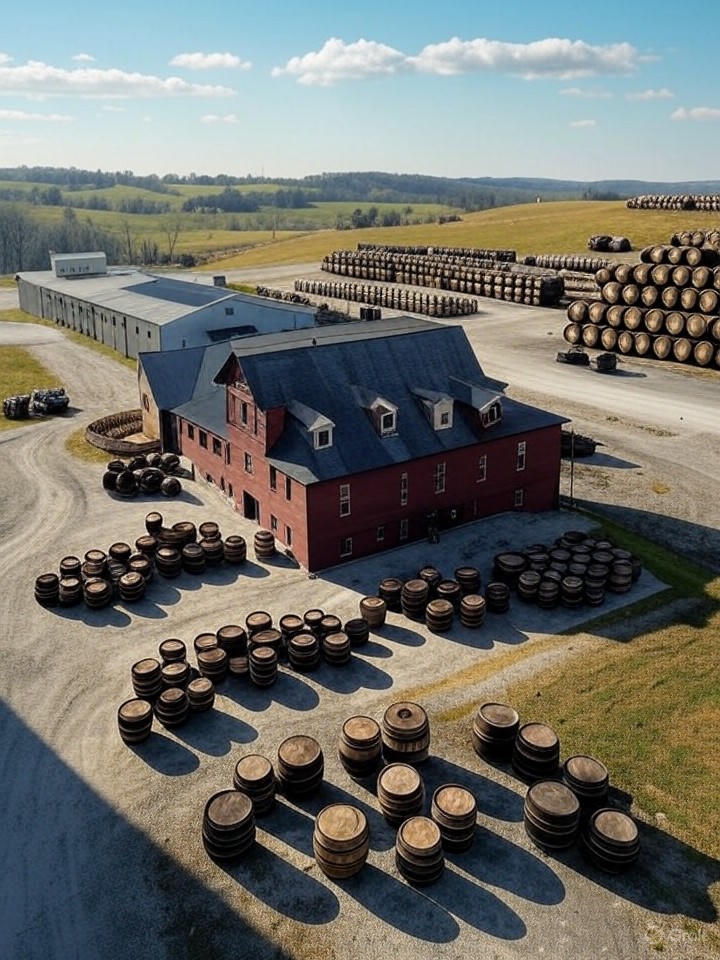
Compounding the issue is a massive buildup of aged whiskey barrels, a legacy of optimistic expansions during the boom years. Distilleries ramped up output anticipating sustained growth, but consumption hasn’t kept pace. According to a detailed analysis in BBC News, inventories have swelled to record levels, with some producers halting new distillation to let stocks age and clear.
This oversupply has led to price cuts and promotional discounts, squeezing margins for both large conglomerates and craft operations. Smaller distilleries, which proliferated during the surge, are particularly vulnerable, with many facing closures or acquisitions by bigger players seeking to consolidate.
Shifting Consumer Tastes
A generational shift in drinking habits is further undermining bourbon’s appeal. Younger consumers, especially Generation Z, are increasingly opting for sobriety or low-alcohol alternatives, influenced by health trends and social media campaigns promoting wellness. This teetotaling wave has dampened domestic demand, where bourbon once enjoyed robust growth through premium cocktails and experiential marketing.
Data from industry trackers shows a decline in spirits consumption among under-30s, with preferences leaning toward non-alcoholic beverages or lighter options like ready-to-drink seltzers. As BBC News highlights, this cultural pivot is hitting bourbon harder than other categories, given its association with traditional, high-proof indulgence.
Economic and Trade Headwinds
Beyond demographics, broader economic pressures are at play. Inflation and rising costs for raw materials like corn and barrels have inflated production expenses, while consumer spending on luxury items wanes amid economic uncertainty. The lingering effects of the pandemic, which initially boosted at-home drinking but later normalized, have left the market in flux.
Trade tensions remain a thorn, with ongoing tariffs stifling recovery in international markets. Executives at major firms like Beam Suntory and Brown-Forman have voiced concerns in earnings calls, noting that without resolution, export volumes could stagnate further.
Strategies for Revival
To navigate this bust, distillers are innovating with flavored variants and sustainable practices to attract eco-conscious buyers. Some are exploring new markets in Asia and Africa, where emerging middle classes might revive demand. Yet, as per insights from BBC News, the path forward requires balancing inventory drawdowns with cautious production restarts.
For industry insiders, the bourbon saga underscores the perils of overexpansion in cyclical markets. Kentucky’s distilleries, employing thousands and contributing billions to the economy, must adapt swiftly or risk a prolonged slump. While the spirit’s heritage endures, its commercial future hinges on addressing these multifaceted challenges head-on.


 WebProNews is an iEntry Publication