
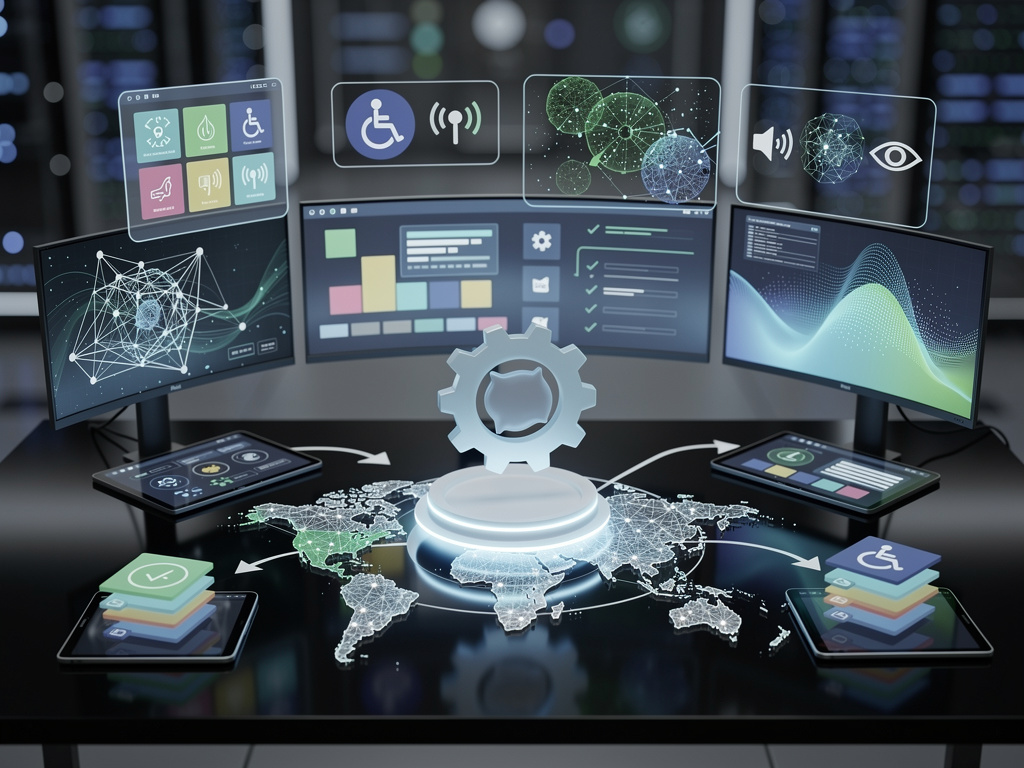
In the fast-evolving world of open-source software, the KDE community has long been a beacon for developers seeking to contribute to desktop environments that rival proprietary giants. But as we enter 2026, a quiet revolution in developer onboarding is reshaping how newcomers join this vibrant ecosystem. Recent updates to KDE’s documentation and tools, spearheaded by dedicated contributors, have transformed what was once a daunting entry point into a streamlined gateway. This shift isn’t just about better guides; it’s intertwined with broader technology shifts emphasizing accessibility, automation, and community-driven innovation.
At the heart of this transformation is Thiago Masato Costa Sueto, a key figure in KDE’s documentation efforts. As the effective maintainer of the KDE Developer Platform docs, Sueto has poured years into refining resources that guide beginners through the complexities of contributing to KDE Plasma and related projects. His work, detailed in a personal blog post on Planet KDE, highlights substantial changes since 2021, including his role as a KDE documentation contractor starting in 2024. These efforts have culminated in a set of beginner-friendly docs that cover everything from setting up development environments to submitting merge requests, making KDE more approachable than ever.
This onboarding overhaul comes at a pivotal time. With Linux desktop adoption surging—evidenced by reports of Iran’s GNU/Linux usage hitting all-time highs amid pushes for technological independence—the demand for robust, user-centric open-source tools is skyrocketing. KDE’s improvements align with this momentum, positioning it as a leader in fostering diverse contributions, including from underrepresented groups like the furry community, as Sueto himself notes with a touch of humor.
Streamlining the Path for New Contributors
The core of KDE’s onboarding success lies in its revamped documentation platform, Develop, which now boasts comprehensive guides that address common pain points. For instance, beginners no longer grapple with outdated instructions on building KDE from source or navigating GitLab workflows. Sueto’s contributions, which include the largest number of commits to the repository, have ensured that merge requests for fixes are promptly addressed, creating a feedback loop that keeps the docs current.
This isn’t isolated; it’s part of a larger pattern in open-source communities where onboarding quality directly impacts project vitality. A recent article in OSnews praises these efforts, noting that KDE’s developer Herz (likely a reference to Sueto or a collaborator) has cleaned up immense amounts of documentation. The result? A platform where even those without prior experience can dive in, contributing to features like Plasma’s new accessibility enhancements, such as improved screen reader support and keyboard navigation.
Moreover, integration with modern tools amplifies this accessibility. KDE now leverages automated setups via containers and virtual machines, reducing setup times from hours to minutes. This mirrors trends seen in other projects, where containerization tools like Docker and Podman democratize development, allowing contributors from varied hardware backgrounds to participate without friction.
Intersecting with 2026 Tech Innovations
Looking ahead, KDE’s onboarding evolution dovetails with key technology directions for 2026, particularly in AI-assisted development and sustainable computing. Deloitte’s Tech Trends 2026 report underscores how organizations are shifting from experimentation to impactful AI adoption, a theme KDE embodies through experimental integrations of AI for code reviews and bug triaging in its workflows.
In Plasma, developers are incorporating AI-driven features that enhance user experiences, such as predictive text in search bars or automated widget placements. For new contributors, this means onboarding docs now include sections on working with these AI tools, lowering the barrier for those interested in cutting-edge features. A post on Tux Machines captures this excitement, linking KDE’s docs improvements to broader Plasma updates like new accessibility features post-holiday season.
This synergy extends to hardware trends. With the rise of Arm-based systems and FPGA integration, as seen in MYIR’s SoM leveraging Zynq UltraScale+, KDE’s onboarding emphasizes cross-platform development. Contributors can now easily test Plasma on diverse architectures, aligning with predictions from DevOps.com that AI-enabled development and talent maximization will define software lifecycles.
Community Voices and Real-World Impact
Social platforms buzz with stories of how improved onboarding translates to career growth. Posts on X highlight experiences where open-source contributions to projects like KDE led to job offers, emphasizing skills in teamwork, pull request reviews, and practical software development. One contributor shared how tackling KDE’s docs and codebases built discipline no online course could match, echoing sentiments from seasoned developers who started during university years.
These anecdotes underscore a shift: KDE’s onboarding isn’t just technical; it’s a community builder. Events like the WeMakeDevs Open Source Fest reveal journeys from initial struggles with builds and dependencies to confident contributions, as seen in accounts of overcoming version mismatches to enhance real-world features.
Furthermore, KDE’s approach inspires other ecosystems. A Hacker News discussion, archived at Archive.is, lauds the state of KDE’s beginner docs, sparking debates on how similar improvements could benefit projects facing contributor shortages.
Pushing Boundaries in Accessibility and Security
Delving deeper, KDE’s 2026 focus includes bolstering accessibility, a trend amplified by global pushes for inclusive tech. Recent Plasma updates, detailed in KDE Blogs, introduce features like enhanced color contrast and voice control, directly influenced by newcomer contributions facilitated by better onboarding.
This ties into security innovations, where open-source legends like Linux are predicted to dominate, per ZDNET. KDE’s docs now guide contributors on secure coding practices, including Rust integration for safer memory management, addressing vulnerabilities in desktop environments.
On the innovation front, CES 2026 previews from Mashable and CNET highlight displays, chips, and robots that could integrate with KDE’s extensible framework, encouraging onboarded developers to experiment with futuristic interfaces.
Global Reach and Future Directions
KDE’s onboarding success has ripple effects globally. In regions like Egypt and Iran, where tech autonomy is paramount, simplified entry points enable local developers to customize Plasma for cultural needs, such as right-to-left language support or integration with local hardware.
Industry reports, including The Times of India‘s overview of 2026 trends, warn of a reality check for AI hype, yet KDE’s pragmatic approach—focusing on usable docs over flashy promises—positions it well. Contributors like those from VictoriaMetrics, sharing journeys via X, illustrate how open-source involvement leads to serendipitous opportunities, from conferences to full-time roles.
Reflecting on 2025 highlights in Adventures in Linux and KDE, the community celebrates Plasma’s growth, crediting onboarding for sustaining momentum into 2026.
Sustaining Momentum Through Collaboration
As KDE continues to refine its processes, collaborations with tools like Kestra.io—mentioned in X posts about open-source job pathways—suggest hybrid models where automated workflows aid onboarding. This could evolve into AI agents handling initial setup, further reducing barriers.
Challenges remain, such as ensuring docs stay updated amid rapid tech changes, but the community’s commitment, evident in Sueto’s ongoing work, promises resilience. By fostering a welcoming environment, KDE not only attracts talent but also innovates in ways that influence broader open-source practices.
Ultimately, this onboarding renaissance signals a maturing phase for KDE, where accessibility meets ambition, paving the way for contributions that could redefine desktop computing in the years ahead. With trends leaning toward integrated, secure, and inclusive systems, KDE’s model offers a blueprint for others, ensuring open-source remains a powerhouse of innovation.


 WebProNews is an iEntry Publication