
Plasma 6.6: KDE’s Bold Step Forward in Desktop Innovation Amid Evolving Open-Source Dynamics
In the fast-paced world of open-source software, where developers constantly push boundaries to enhance user experiences, KDE’s Plasma desktop environment stands out as a beacon of innovation. As 2026 begins, the latest developments in Plasma 6.6 signal a renewed focus on stability, accessibility, and cross-platform compatibility. Drawing from recent announcements, this iteration addresses longstanding issues while introducing features that could reshape how users interact with Linux-based systems. Industry observers note that these updates come at a pivotal time, with growing adoption of Linux desktops in enterprise and consumer spaces.
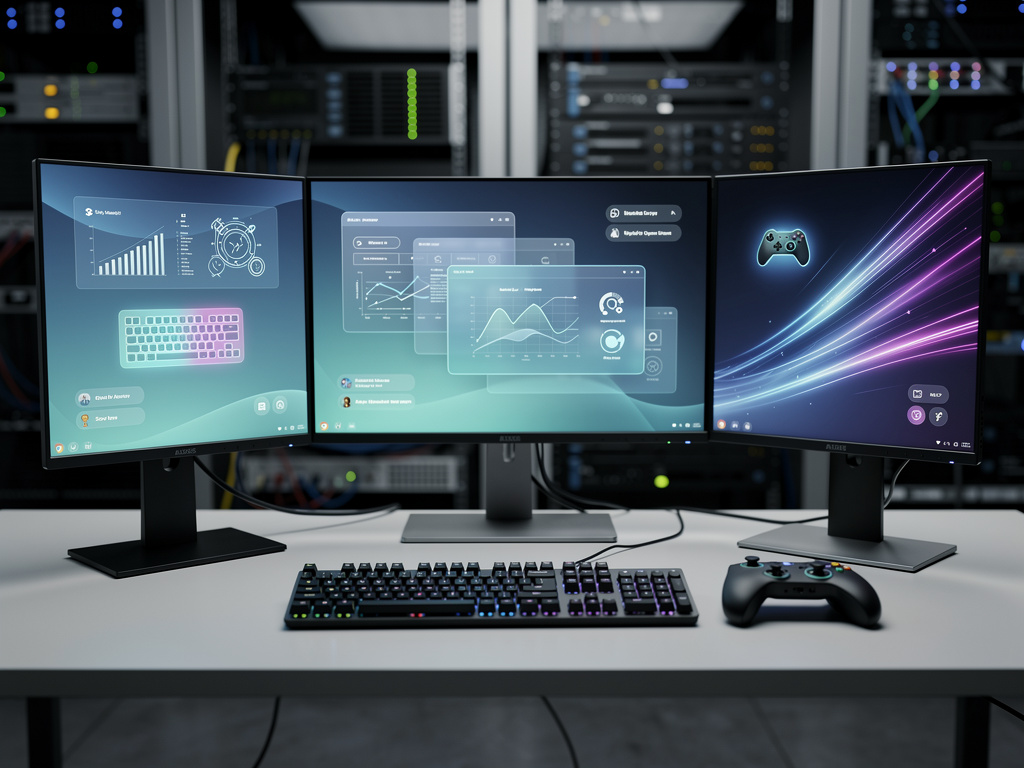
The kickoff to Plasma 6.6’s development cycle was highlighted in a recent post by KDE developer Nate Graham, who detailed the first wave of changes for the year. According to reports from Phoronix, a key fix targets a prevalent crash related to panels, which has plagued users for months. This resolution, spearheaded by developer David Edmundson, involves refinements in the plasma-workspace module, potentially reducing downtime for professionals relying on multi-monitor setups. Such crashes have been a thorn in the side for productivity-focused users, and this patch underscores KDE’s commitment to ironing out reliability kinks.
Beyond crash fixes, Plasma 6.6 bolsters support for OpenBSD, an operating system prized for its security features but often overlooked in desktop environments. Enhancements here include better integration of OpenBSD’s unique system calls and improved hardware detection, making Plasma a more viable option for security-conscious environments. This move aligns with broader trends in the open-source community, where interoperability across BSD variants is gaining traction amid rising concerns over data privacy and system vulnerabilities.
Enhancing Accessibility and User Interfaces
Accessibility improvements form a cornerstone of Plasma 6.6’s early updates, reflecting KDE’s push to make the desktop more inclusive. As detailed in a blog post on KDE Blogs, new features like Slow Keys for Wayland sessions address needs for users with motor impairments. This allows for customizable key press durations, reducing accidental inputs and enhancing usability in professional settings where precision matters, such as graphic design or coding.
Wayland, the modern display server protocol, sees further refinements in this release. Notifications have been polished to provide clearer, more intuitive feedback, minimizing disruptions during workflows. These changes build on Plasma’s transition from X11, offering smoother performance on high-refresh-rate displays—a boon for creative professionals and gamers alike. Industry insiders point out that such enhancements could accelerate Wayland’s adoption, especially as hardware manufacturers optimize for it.
In parallel, user interface polish extends to multi-monitor configurations. A fix in the Spectacle screenshot tool ensures toolbars remain on-screen across setups with varying resolutions, as noted in coverage from XDA Developers. This attention to detail highlights KDE’s user-centric approach, contrasting with more rigid interfaces in competing environments like GNOME.
Gaming and Hardware Integration Breakthroughs
One of the most talked-about fixes in Plasma 6.6 targets a persistent annoyance for gamers: the desktop’s tendency to enter sleep mode despite active controller inputs. This issue, which has frustrated users since earlier versions, is now resolved by recognizing gamepad activity as a wakefulness signal. Reports from Linuxiac emphasize how this change elevates Plasma’s appeal in the gaming sector, where Linux is carving out a niche against Windows dominance.
Hardware awareness extends to laptops, with a new mechanism ensuring the system correctly detects power state changes upon waking from sleep. This prevents scenarios where a device might incorrectly assume it’s on battery power while plugged in, potentially averting data loss or interrupted sessions. For enterprise users managing fleets of devices, such reliability is crucial, reducing support tickets and enhancing overall efficiency.
Social media buzz on platforms like X underscores the excitement around these gaming fixes. Posts from users and developers alike praise the controller recognition as a game-changer, with sentiments echoing that Plasma is finally addressing real-world pain points. This organic feedback loop, visible in recent X discussions, suggests KDE is attuned to community needs, fostering loyalty in a competitive field.
Broader Ecosystem Impacts and Development Cycles
Plasma 6.6’s development schedule, as outlined on the KDE Community Wiki, follows a structured timeline with beta releases leading to a stable version. This cycle ensures thorough testing, incorporating feedback from packagers and end-users before public rollout. Compared to Plasma 5, which focused on foundational shifts like Qt 6 integration, version 6.6 refines these elements, introducing subtle yet impactful features such as the Ocean sound theme and partial HDR support.
The environment’s evolution is also evident in its alignment with distributions like Manjaro Linux 26.0, which recently adopted Plasma 6.5 as a default while dropping X11 support. Coverage from 9to5Linux highlights how such integrations propel Plasma’s features into mainstream use, potentially influencing market share in desktop operating systems.
Looking ahead, KDE’s blogs tease ongoing work on power profile switching and captive portal handling, which could streamline experiences in mobile and networked environments. These additions position Plasma as a versatile tool for hybrid work setups, where seamless transitions between devices are paramount.
Challenges and Opportunities in Open-Source Adoption
Despite these advancements, challenges remain in broadening Plasma’s reach. Integration with emerging hardware, such as NVIDIA’s latest drivers in distributions like Manjaro, requires ongoing collaboration. Phoronix has reported on past hurdles with high-refresh-rate displays, now addressed in 6.6, but sustaining momentum demands vigilant bug tracking via tools like Bugzilla.
Community-driven development, a hallmark of KDE, invites contributions from developers worldwide, accelerating feature rollouts. However, this model also necessitates robust governance to prioritize fixes, as seen in the rapid merging of accessibility work post-holidays, per KDE Blogs.
X posts from influencers like those affiliated with Phoronix reflect optimism, with users speculating on Plasma’s potential to challenge Windows in 2026. Such discussions often cite Linux’s security advantages and cost savings, appealing to businesses eyeing alternatives amid rising software licensing fees.
Strategic Positioning for Future Releases
As Plasma 6.6 progresses, its focus on subtle enhancements rather than overhauls suggests a maturing product. Wikipedia’s entry on KDE Plasma 6 notes the lineage from version 5, emphasizing continuity with improvements in areas like color management and desktop effects. This evolutionary path contrasts with disruptive changes in other desktops, offering stability for long-term users.
Enterprise adoption could surge with features like improved KAuth helpers for system administration, as discussed in the KDE Community Wiki. For IT departments, these tools simplify policy enforcement across networks, reducing overhead in large-scale deployments.
Recent news from WebProNews on Manjaro’s updates illustrates how Plasma’s innovations ripple through the ecosystem, influencing everything from kernel choices to desktop defaults.
Community Sentiment and Market Implications
Feedback on X reveals a mix of enthusiasm and calls for more, with users highlighting Wayland’s gains while urging faster HDR implementation. This dialogue, often amplified by accounts like @kdecommunity, shapes development priorities, ensuring Plasma remains responsive.
In broader market terms, articles like those on How-To Geek ponder Linux’s potential to erode Windows’ dominance, citing desktops like Plasma as key players. Factors such as enhanced gaming support and accessibility could tip the scales, especially as remote work demands flexible, secure platforms.
KDE’s app ecosystem, covered in blogs like “This Week in KDE Apps,” complements Plasma by delivering cohesive tools, from file managers to multimedia suites, fostering a unified user experience.
Pushing Boundaries in Desktop Evolution
Looking deeper, Plasma 6.6’s OpenBSD enhancements open doors to niche markets, such as secure servers and embedded systems. Phoronix’s coverage emphasizes how these ports could attract developers from BSD communities, enriching KDE’s contributor base.
Accessibility strides, including color blindness filters, position Plasma as a leader in inclusive design, potentially setting standards for the industry. Linuxiac reports note these features’ impact on education and healthcare sectors, where adaptable interfaces are essential.
As 2026 unfolds, Plasma’s trajectory suggests a desktop environment poised for growth, blending technical prowess with user-focused refinements. With ongoing community input and strategic fixes, KDE continues to redefine open-source desktops.


 WebProNews is an iEntry Publication