
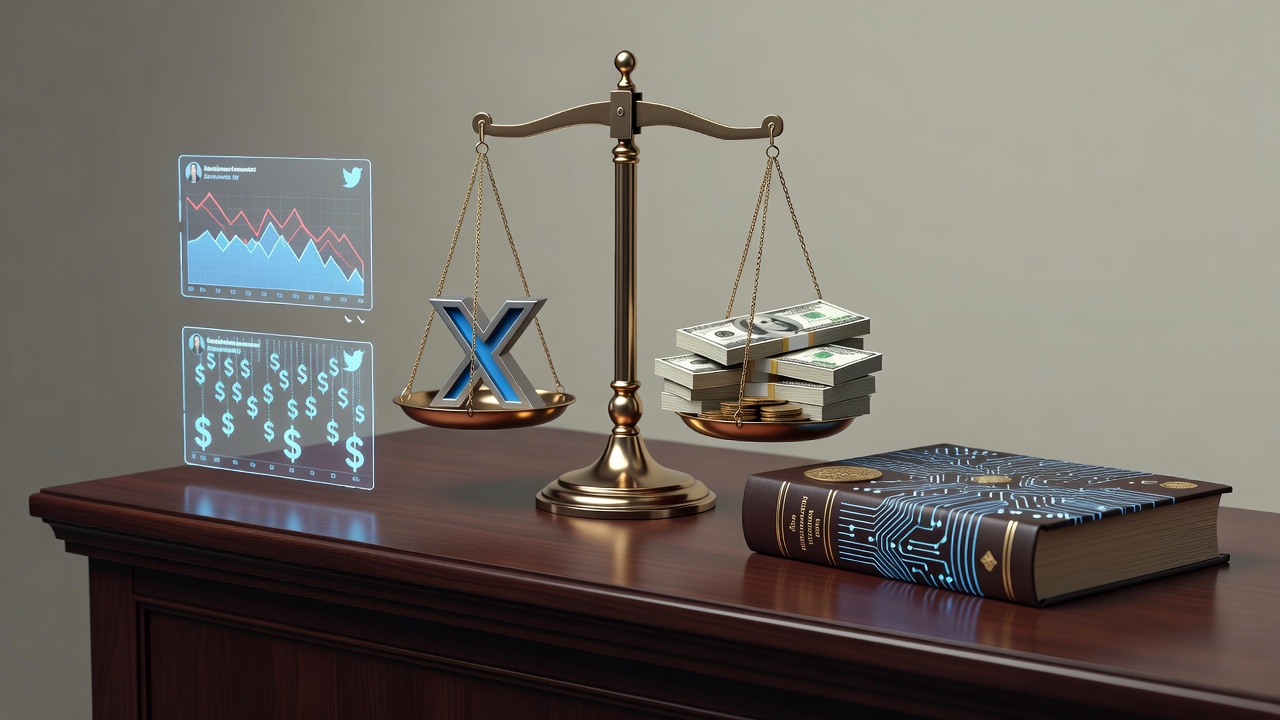
A federal judge just delivered a sharp reminder. Even the world’s richest man must answer for statements that move markets. On July 6, U.S. District Judge Charles Breyer in San Francisco largely upheld a jury verdict finding Elon Musk liable for defrauding Twitter investors during the chaotic run-up to his $44 billion takeover.
The ruling leaves Musk facing potential damages as high as $2.6 billion. And it adds prejudgment interest. Short sentences land hard here. Billions. Accountability. No escape hatch for second thoughts.
Breyer rejected Musk’s bid to toss most of the March 2026 jury findings. He denied efforts to decertify the class of shareholders who sold stock between May 13 and Oct. 4, 2022. Yet he carved out one narrow victory for Musk on a single tweet. The decision rests on evidence from the trial itself. Testimony. Stock movements. Musk’s own shifting explanations.
Musk’s Tweets Sparked the Lawsuit and the 18% Drop
Back in April 2022, Musk agreed to buy Twitter at $54.20 a share. Enthusiasm faded fast. By May, he questioned the prevalence of bots and spam accounts. Two tweets drew the jury’s focus.
On May 13 he posted that the deal was “temporarily on hold” pending more information on fake accounts. Twitter shares plunged roughly 18% over the next two days. Investors who sold in that window lost out. They later sued, claiming Musk deliberately talked down the price to renegotiate or walk away.
The May 17 tweet went further. Musk claimed fake accounts could exceed 20% of users and that the transaction “cannot move forward” until Twitter’s CEO proved otherwise. A third statement, made on a podcast May 16, drew no liability.
The jury, after four days of deliberation, found the two tweets materially false or misleading. It rejected the broader accusation that Musk ran an intentional scheme to defraud. Courthouse News Service reported the split outcome shortly after the March 20 verdict.
Plaintiffs’ lawyer Mark Molumphy called the result “a very good day” for investors in public markets. He said jurors “rejected Musk’s effort to game that system.” Musk’s team offered no immediate comment but had signaled plans to appeal.
Breyer’s post-trial order supplies the analytical backbone. He wrote that “substantial evidence of falsity” supported the May 13 finding. One of Musk’s own bankers testified the tweet surprised her. No internal pause in the deal had occurred. A reasonable jury could conclude Musk used bots as pretext while hunting an exit.
“Even if the speaker has a change of heart or a momentary regret about a transaction, such qualms do not justify lying to the investing public,” Breyer stated. He added that securities laws exist “in their essence, about trust.” Buyer’s remorse offers no exception.
The May 17 tweet fared differently. Investors failed to show sufficient evidence of loss causation. No clear market reaction tied directly to that post. Breyer granted Musk judgment as a matter of law on that narrow point, as detailed in Bloomberg Law.
He also brushed aside claims of juror bias. Musk’s lawyers highlighted the verdict form’s bright blue “$4.20” figure. The number carries cultural weight for Musk, tied to his 2018 Tesla “funding secured” episode and cannabis references. Breyer called the argument meritless. “It defies common sense” that jurors acted out of mockery, he wrote. They sided with Musk on multiple claims after lengthy deliberation. And 420 simply evokes marijuana culture. “One need only walk around San Francisco on April 20 to observe how prevalent the celebration can be.”
But the case stretches beyond any single number. It exposes tensions at the intersection of social media, executive speech, and market integrity. Musk built his brand on candid, rapid-fire posts. Those same habits now carry legal risk when they affect publicly traded securities.
The original complaint dates to October 2022, weeks before Musk closed the Twitter deal. Lead plaintiff Giuseppe Pampena and others alleged Musk’s statements depressed the stock so he could renegotiate terms or abandon the purchase entirely. Twitter sued Musk in Delaware to enforce the merger agreement. He eventually completed the buyout, renamed the company X, and folded it into his broader empire.
Damages remain unresolved. The $2.6 billion estimate comes from plaintiffs’ counsel and could climb with prejudgment interest. Exact calculations will follow further proceedings on notice to the class and claims administration. Reuters first broke the Monday ruling with extensive quotes from the opinion. Read the full Reuters report here.
This verdict stands apart from Musk’s other legal scrapes. A separate Manhattan suit accuses him of delaying disclosure of his initial Twitter stake, allowing cheaper purchases. He settled an SEC case over that late filing for $1.5 million. The 2018 Tesla privatization tweet produced its own fraud charges, also settled.
Yet the Twitter investor case reached a full jury trial. Rare for securities class actions. Most settle. This one produced testimony, cross-examinations, and a verdict that largely stuck. Breyer’s order reinforces that high-profile executives cannot treat material statements casually.
Still, Musk’s lawyers maintain the decision represents only a temporary setback. They point to his wins in other venues, including Texas and Delaware appeals. The Northern District of California’s ruling will almost certainly face Ninth Circuit scrutiny.
Meanwhile, the financial exposure lands on a man whose net worth recently crossed the trillion-dollar mark. Survivable, as one publication noted. The reputational hit may prove more lasting. A federal judge has now ruled that Musk defrauded investors. That label carries weight in boardrooms and among institutional shareholders.
Recent coverage echoes the same themes. The Next Web highlighted Breyer’s trust-centric language and the banker’s testimony that undercut Musk’s timeline. It also placed the outcome within Musk’s crowded docket, from an OpenAI battle to SpaceX’s public status.
Legal observers see broader signals. Corporate leaders who use personal platforms to discuss deals or valuations must recognize the securities laws still apply. Statements need not carry formal filings to trigger liability. If they are material, false, and cause loss, accountability follows.
The jury saw through the noise. Four days of discussion produced a measured result. Liable on the tweets that tanked the price. Not liable on the scheme claim or the podcast remark. Breyer declined to disturb that balance except where evidence clearly fell short.
So the case moves forward. Damages phase next. Appeals likely after that. Musk will keep fighting. Investors will keep pressing. And the markets will keep watching how the world’s most visible executive balances free expression against fiduciary duties.
One thing appears settled for now. Regret does not excuse misstatements. Trust demands better.


 WebProNews is an iEntry Publication