
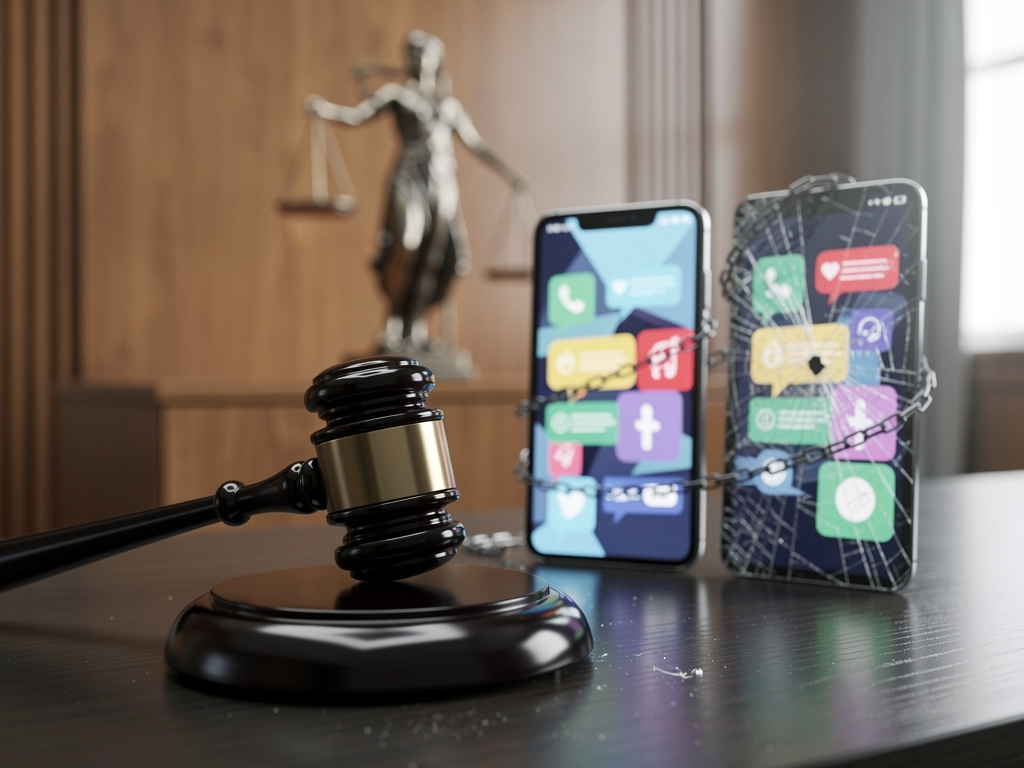
A California judge has slammed the door on Google and Meta’s push for a do-over. Los Angeles Superior Court Judge Carolyn Kuhl denied their motions for a new trial this week, upholding a jury’s finding that the companies built addictive products that harmed a young user. The decision, handed down Tuesday, leaves intact a $6 million verdict that could ripple far beyond one plaintiff.
The case centered on a woman identified in court as K.G.M. She claimed Instagram and YouTube hooked her as a child through features engineered to maximize engagement. Infinite scrolls. Autoplay videos. Personalized recommendations that kept her glued to the screen. The jury agreed. It found the platforms negligent in their design. And it awarded her damages.
But the fight didn’t end with the March verdict. Both companies moved for judgment notwithstanding the verdict or, failing that, a fresh trial. They argued the evidence didn’t support the outcome. They pointed to other factors in the plaintiff’s life. They insisted their products weren’t built to addict. Judge Kuhl rejected those arguments. The ruling stands. Appeals will follow. That much is certain.
This wasn’t some fringe lawsuit. It marked the first time a jury held social media giants liable not for user-generated content but for the deliberate architecture of their apps. That distinction matters. It punches a hole in the usual defenses. The New York Times reported how the companies have long leaned on Section 230 of the Communications Decency Act to shield themselves from liability over posts. Here, the claims focused on product design. The jury saw through the distinction.
Meta took 70% of the blame. Google, through YouTube, shouldered 30%. The $6 million split between compensatory and punitive damages. Three million each. Small change for companies worth hundreds of billions. The symbolic weight lands heavier. Plaintiffs’ lawyers see a blueprint. Thousands of similar suits wait in the wings, many consolidated in California courts.
During the trial, attorneys painted a picture of calculated addiction. They highlighted internal documents. They questioned executives, including Meta CEO Mark Zuckerberg, who took the stand. Zuckerberg pushed back. He denied that Instagram targets children. He emphasized age limits. He pointed to safety tools rolled out over the years. The jury wasn’t convinced.
Google, for its part, insisted YouTube functions as a streaming service, not a social network. Its features, the company said, help users find content they want. Not trap them. The jury disagreed. It found both firms knew the risks to young minds. They pushed ahead anyway.
The plaintiff’s story hit hard. She described anxiety, depression, compulsive use that started young. Her lawyers compared the companies to predators targeting the vulnerable. “We wanted them to feel it,” one attorney told reporters after the verdict, per Reuters. The message? Accountability has arrived.
Meta fired back quickly. “Teen mental health is profoundly complex and cannot be linked to a single app,” the company said. It respectfully disagreed with the verdict. Google echoed the sentiment. It plans to appeal. Both maintain they invest heavily in youth safety. They point to research, parental controls, and removal of harmful content.
Yet the verdict arrives at a fraught moment. Surgeon General warnings on social media and teen mental health. State attorneys general filing suits. School districts demanding reimbursement for counseling costs and lost learning. Some cases have settled. Others press forward. This decision strengthens the hand of those who argue the platforms bear responsibility for how they’re built.
Legal experts draw parallels to past fights against tobacco and opioids. In those industries, internal knowledge of harm combined with aggressive marketing eventually cracked corporate defenses. Here, plaintiffs allege similar patterns. Emails and studies shown in court suggested executives understood the addictive pull on developing brains. They optimized anyway for growth and time spent.
The denial of a new trial removes one escape hatch. It forces the companies to argue their case on appeal, likely to higher state courts or even the U.S. Supreme Court if constitutional questions arise. Section 230 remains a powerful federal protection. But courts increasingly distinguish between publisher liability for third-party content and liability for a product’s inherent design choices. That line could define the next decade of tech litigation.
Wall Street has watched closely. Shares in both companies barely flinched on the news. Investors treat the payout as immaterial. The real risk lies in volume. If hundreds or thousands of cases advance with similar theories, the exposure multiplies. Defense costs alone could run high. Settlements might become the norm rather than the exception.
And the cultural conversation shifts. Parents, regulators, and lawmakers already scrutinize recommendation algorithms. This verdict hands them fresh ammunition. It suggests that “engaging” can cross into “harmful” when aimed at children. Features once praised as smart product design now face juries as evidence of negligence.
Still, the companies aren’t without cards to play. They continue to roll out age verification, time limits, and educational resources. They fund research into youth well-being. They argue the plaintiff’s struggles stemmed from family issues, bullying, or other causes. In this case, the jury weighed those explanations and sided with the design claims.
Judge Kuhl’s ruling came without fanfare. Court documents simply noted the denial. No lengthy opinion has surfaced yet explaining her reasoning in detail. That may come later. For now, the verdict holds. The plaintiff receives her award. The tech giants prepare their next moves.
Broader litigation continues apace. A separate New Mexico case against Meta over child exploitation claims recently produced another large verdict. School district suits have seen some settlements, including with Meta, per recent Wall Street Journal reporting. The momentum feels unmistakable.
What happens next depends on appeals courts. If they uphold the verdict, expect more plaintiffs to test the waters. If they overturn on legal grounds, the shield may hold. Either way, the case has already changed the conversation. It proves that juries can look past the complexity of algorithms and see human costs.
The woman at the center remains largely out of the spotlight. Her identity protected. Her experience now part of legal history. For the industry, the questions linger. How much should engagement matter when the users are kids? How far must safety features go? And how much liability attaches when the product works exactly as designed?
Answers won’t come quickly. This ruling is one step in a long process. But it’s a step that favors those who say the platforms have gone too far for too long. The tech companies built these products. Now they must answer for them. In courtrooms across the country, that accounting has begun.


 WebProNews is an iEntry Publication