
The Jolla Revival: How a Finnish Upstart is Challenging Big Tech with Hardware Kill Switches and Uncompromising Privacy
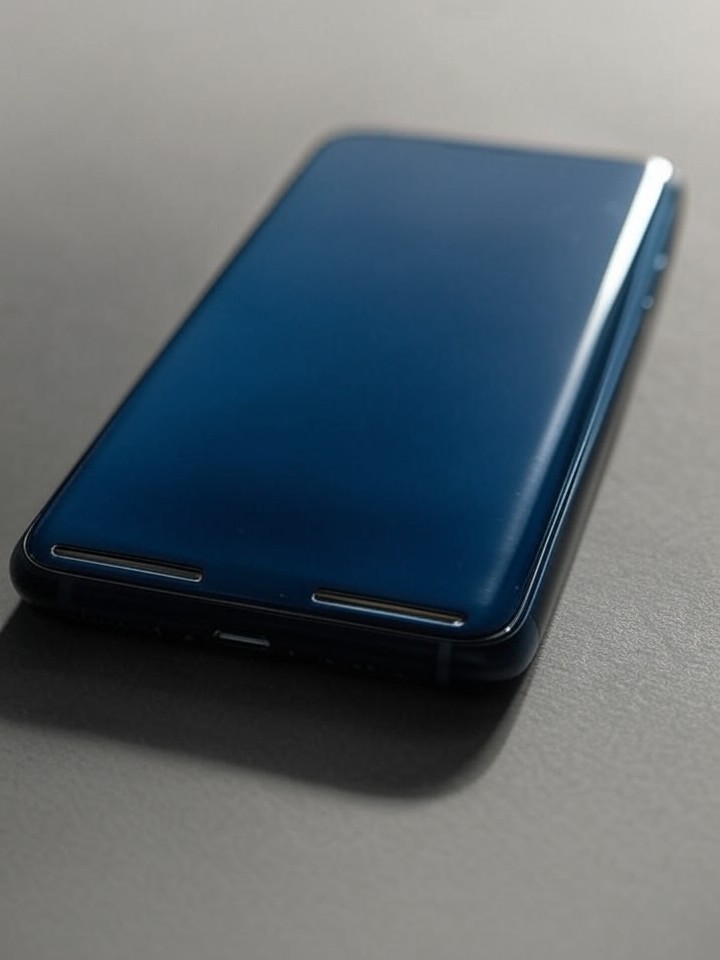
In an era where smartphones have become extensions of our very beings, collecting vast troves of personal data with every tap and swipe, a small Finnish company is making waves by prioritizing user control over corporate convenience. Jolla, the Helsinki-based firm born from the ashes of Nokia’s MeeGo project, has relaunched its smartphone ambitions with the Jolla Phone—a device that promises to put privacy back in the hands of users through innovative hardware features like physical kill switches for microphones and cameras. Announced in late 2025 and now entering its delivery phase in 2026, this Linux-powered handset isn’t just another gadget; it’s a manifesto against the data-hungry ecosystems dominated by Apple and Google.
The Jolla Phone’s standout feature is its hardware privacy switch, a physical toggle that mechanically disconnects the microphone and camera, ensuring no software hack or app can access them without the user’s explicit permission. This isn’t mere software toggling; it’s a hardwired barrier, reminiscent of enterprise-grade security tools but packaged for everyday consumers. According to a review by TechGlimmer, this kill switch represents a paradigm shift, allowing users to “physically sever the connection” and reclaim sovereignty over their device’s sensors.
Beyond the kill switch, the phone runs on Sailfish OS 5, an open-source Linux-based operating system that eschews the bloatware and tracking inherent in Android and iOS. Sailfish emphasizes minimal data collection, with features like app permissions that default to off, requiring users to opt-in for any connectivity. This approach contrasts sharply with mainstream OSes, where data sharing is often the default, buried under layers of settings.
Hardware That Empowers Users
Jolla’s design philosophy extends to modularity, with a user-replaceable 5,500mAh battery and swappable back covers, harkening back to an age when phones were repairable rather than disposable. Priced at €579, the device boasts a 6.36-inch AMOLED display, a MediaTek 5G chipset, and 12GB of RAM—specs that hold their own against mid-range competitors. But it’s the privacy-centric hardware that sets it apart, including a dedicated privacy key that users can configure to control sensor access.
Recent discussions on forums like Level1Techs highlight the enthusiasm among tech enthusiasts. One thread notes that while the initial pre-orders targeted Europe, Jolla is exploring configurations for U.S. cellular bands, potentially broadening its appeal to privacy-conscious Americans wary of government surveillance. The company’s crowdfunding-like pre-order model, which garnered over 6,000 reservations by Christmas 2025, underscores a growing demand for alternatives to the duopoly.
On social platforms, sentiment echoes this excitement. Posts on X (formerly Twitter) from users like those praising the phone’s “zero spying” ethos reflect a broader frustration with modern devices’ constant data harvesting. One Arabic-language post celebrated its Linux foundation and external memory support, emphasizing how Sailfish OS avoids tracking user behavior entirely.
Sailfish OS: A Privacy Fortress
Diving deeper into Sailfish OS 5, the system is built on principles of openness and user control, supporting Android apps via compatibility layers without relying on Google’s services. This means no mandatory Google account, no Play Store telemetry, and no forced updates that could introduce backdoors. Jolla’s own app store prioritizes privacy-respecting software, and the OS includes built-in VPN support for encrypted browsing.
A piece from Gadgets 360 details the phone’s launch, noting deliveries slated for mid-2026 in the EU, UK, Norway, and Switzerland. The article praises the dual 50-megapixel rear cameras but underscores that privacy features like the kill switch make it more than a spec sheet contender—it’s a tool for digital self-defense.
Comparisons to past privacy-focused phones, such as the Purism Librem 5 or PinePhone, are inevitable, but Jolla’s offering stands out with its polished user interface and broader app compatibility. Unlike those niche devices, the Jolla Phone aims for mainstream usability while maintaining hardcore privacy standards, potentially appealing to professionals in sensitive fields like journalism or law.
Market Challenges and Competitive Edges
However, entering a market saturated with established players isn’t without hurdles. Jolla’s limited distribution—currently focused on Europe—means it must navigate regulatory landscapes and carrier approvals to expand. The phone’s lack of widespread app support could deter casual users accustomed to seamless integration with services like Google Maps or Spotify, though Sailfish’s Android layer mitigates this somewhat.
News from Liliputing describes the pre-order campaign as a “kinda crowdfunding” effort, which successfully raised interest without traditional venture capital, relying instead on community backing. This grassroots approach has fostered a loyal following, evident in Reddit threads on r/degoogle, where users debate the kill switch’s configurability and express bewilderment at its simplicity.
X posts further illustrate public curiosity, with one user lamenting how modern flagships require daily charging and subscriptions while offering full surveillance, contrasting it with Jolla’s week-long battery potential and anti-spying design. Another post from Jolla’s official account announced the relaunch, positioning the phone as Europe’s answer to Big Tech dominance.
Privacy in the Age of AI and Surveillance
The timing of Jolla’s comeback couldn’t be more prescient. As AI integration deepens in smartphones—think always-listening assistants and predictive analytics—concerns over data privacy escalate. The Jolla Phone’s kill switch directly addresses fears of unauthorized eavesdropping, a feature that’s gained traction amid scandals involving smart devices recording conversations without consent.
An article in Android Headlines highlights how the device boots Linux instead of Android, offering a clean slate free from pre-installed trackers. This resonates with a segment of users increasingly aware of data monetization practices by tech giants.
Moreover, in regions with stringent data protection laws like the EU’s GDPR, Jolla’s emphasis on consent-based app connections—where settings default to off—aligns perfectly with regulatory demands. As one X post questioned, the phone’s marketing might blur lines between privacy and consent, but it undeniably empowers users to dictate terms.
Community-Driven Innovation
Jolla’s history adds layers to its narrative. Founded in 2013 by former Nokia engineers, the company has weathered financial storms, pivoting to enterprise software before returning to hardware. This resilience is mirrored in community forums, where users share custom ROMs and tweaks, fostering an ecosystem of tinkerers.
A forum post on Level1Techs discusses potential U.S. compatibility, suggesting Jolla could tap into the growing de-Googling movement. Meanwhile, GSMArena reports on the announcement, noting the phone’s modern design and how it fills a gap left by Jolla’s long hiatus.
Social media buzz includes calls for features like a headphone jack and massive battery, reflecting desires for practical, user-focused tech over gimmicks. One X user proposed mandatory LED indicators for camera use, echoing Jolla’s hardware-first privacy ethos.
Global Implications and Future Prospects
As 2026 unfolds, the Jolla Phone could influence broader industry trends, pressuring giants to incorporate similar privacy tools. With rising geopolitical tensions heightening data security concerns, devices like this appeal to users in authoritarian regimes or those simply tired of pervasive tracking.
Insights from It’s FOSS celebrate the return after a decade, positioning it as the Linux phone many have awaited. The article notes intriguing features like the removable battery, which not only aids longevity but also prevents manufacturers from bricking devices remotely.
On X, sentiments range from admiration for its anti-surveillance stance to critiques of aesthetic choices, but overall, the discourse points to a hunger for alternatives. Jolla’s milestone of 6,000 pre-orders, shared in a company post, signals viability despite niche appeal.
Sustaining Momentum in a Crowded Field
To thrive, Jolla must address software ecosystem gaps, perhaps by partnering with open-source developers for more native apps. The phone’s 5G capabilities ensure it’s future-proof, but marketing will be key to educating consumers on why privacy matters.
A recent opinion piece in Trusted Reviews warns of rising phone costs, yet Jolla’s €579 price undercuts many flagships while offering unique value. This affordability could attract budget-conscious privacy seekers.
User feedback on platforms like Reddit questions the kill switch’s mechanics, with some expressing skepticism, but Jolla’s transparent updates build trust. As deliveries ramp up, real-world reviews will test if the hype translates to satisfaction.
Pushing Boundaries of Digital Autonomy
Ultimately, the Jolla Phone embodies a counter-narrative to the seamless, always-connected world peddled by tech behemoths. By integrating physical controls with robust software, it empowers users to define their digital boundaries.
Drawing from Smartprix, which outlines 2026 trends like larger batteries and advanced displays, Jolla aligns with these while carving a privacy niche. The phone’s color options, including a striking orange, add personality to its functional design.
X posts envision even more radical features, like always-visible LEDs for sensor activity, suggesting Jolla could iterate based on community input. This collaborative spirit might just sustain its challenge against industry titans.
Legacy and Long-Term Vision
Looking ahead, Jolla’s success hinges on expanding availability and refining its OS. Partnerships for global distribution could amplify its impact, potentially inspiring copycat features in mainstream devices.
References to historical peaks in phone design, like early 2000s PDAs with physical keys and long battery life, underscore how Jolla revives forgotten ideals. As one X user put it, modern phones have “nerfed” us with their surveillance-heavy designs.
In forging ahead with Sailfish OS and hardware kill switches, Jolla isn’t just selling a phone—it’s advocating for a future where technology serves users, not the other way around. With ongoing community engagement and strategic expansions, this Finnish revival could redefine what we expect from our pocket companions.


 WebProNews is an iEntry Publication