
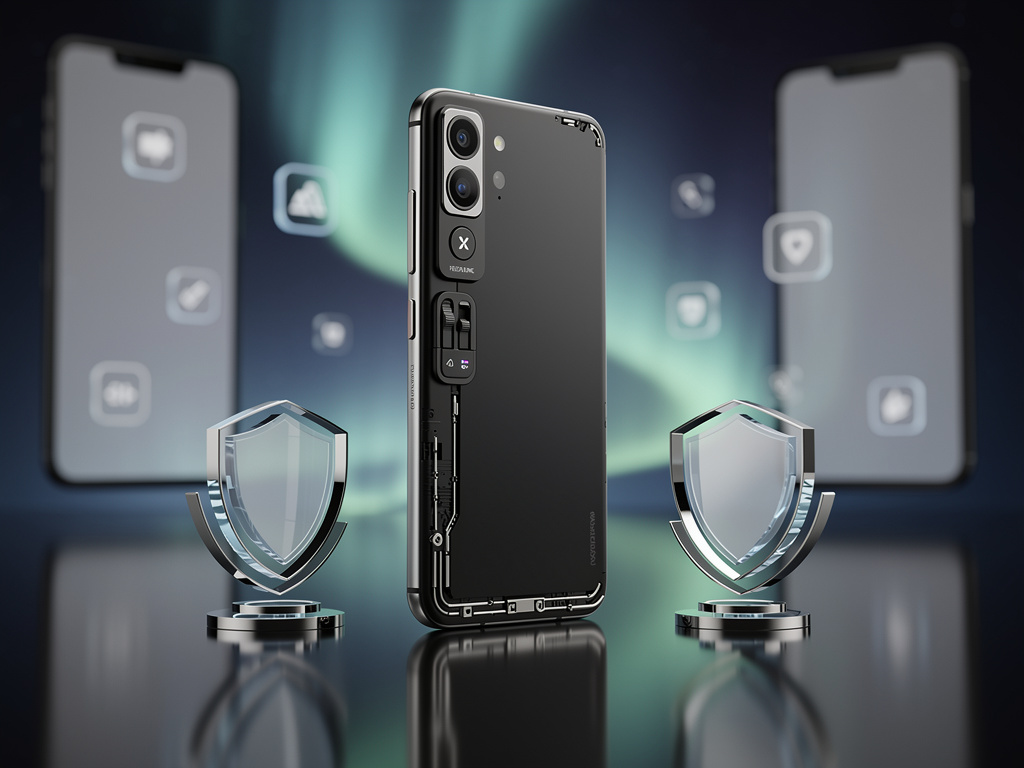
Sailing into Privacy: Jolla’s Bold Bid to Upend the Mobile Dominance of Android and iOS
In an era where personal data has become the currency of the digital realm, a Finnish company is making waves with a smartphone that promises to prioritize user privacy above all else. Jolla, known for its resilient journey through the tech industry’s turbulent waters, has unveiled the Jolla Phone, a device running on Sailfish OS 5—a Linux-based operating system designed from the ground up to shield users from pervasive tracking and data harvesting. Unlike the dominant players, this phone doesn’t rely on Google’s Android or Apple’s iOS ecosystem, yet it cleverly supports Android apps, offering a bridge for those hesitant to abandon familiar software. According to a recent report from TechRadar, the Jolla Phone positions itself as a genuine alternative, blending robust privacy features with practical usability.
The device’s appeal lies in its core philosophy: privacy by design. Sailfish OS 5 eliminates the need for Google services, meaning no mandatory accounts or background data syncing that could expose user information. Instead, it offers a clean, customizable interface where users control what data is shared and with whom. Features like a physical privacy switch to disable cameras and microphones add a layer of hardware-level security, appealing to professionals in sensitive fields such as journalism, law, and corporate executive suites. Jolla’s approach echoes a growing demand for devices that empower users rather than exploit them, as evidenced by the company’s crowdfunding campaign aiming for 2,000 pre-orders at €699 to bring the phone to market.
This isn’t Jolla’s first foray into challenging the status quo. Founded by former Nokia employees in 2011, the company has weathered financial storms and pivoted multiple times, from initial smartphone launches to software licensing for enterprise clients. The new Jolla Phone revives their hardware ambitions, incorporating modern specs like a replaceable battery and expandable storage—rarities in today’s sealed-device world. Industry observers note that this modularity not only extends the phone’s lifespan but also aligns with sustainability goals, reducing electronic waste in an industry often criticized for planned obsolescence.
The Roots of Privacy-Centric Mobile Innovation
Sailfish OS itself has evolved over more than a decade, building on the open-source foundations of MeeGo, a Linux variant once backed by Nokia and Intel. What sets it apart is its compatibility layer for Android apps, achieved through a technology called Alien Dalvik, which runs apps in a sandboxed environment without embedding Google’s proprietary code. This allows users to access popular applications like banking tools or social media without compromising the OS’s privacy ethos. As detailed in a piece from India Today, the system ensures that apps can’t access sensitive data unless explicitly permitted, providing a stark contrast to Android’s sometimes permissive defaults.
Comparisons to other privacy-focused alternatives are inevitable. For instance, GrapheneOS, a hardened Android variant, strips away Google services while maintaining app compatibility, as highlighted in discussions on platforms like X where users praise its security features. Posts from privacy advocates on X emphasize GrapheneOS as a go-to for those sticking with Android hardware but seeking de-Googled experiences. Similarly, CalyxOS offers automatic updates and proactive security, making it accessible for everyday users wary of data snoops.
Yet Jolla’s offering stands out by fully departing from Android’s codebase, opting for a pure Linux foundation. This move resonates with open-source enthusiasts who view it as a step toward true software freedom. The phone’s hardware, while not flagship-level, includes a 6.5-inch display, 5G connectivity, and a focus on repairability, which could appeal to enterprise users prioritizing longevity over cutting-edge performance. Jolla’s strategy also involves partnerships for app development, encouraging a native ecosystem that could eventually reduce reliance on Android ports.
Navigating Market Challenges and User Adoption
The path ahead for Jolla isn’t without hurdles. The mobile arena is notoriously difficult for newcomers, dominated by giants with vast resources for marketing and app store dominance. Jolla’s crowdfunding model, detailed in a report from WebProNews, requires hitting that 2,000-pre-order threshold by January to proceed with production, a tactic that tests market interest but also limits initial scale. If successful, the phone will ship primarily in Europe, with potential expansion based on demand.
User sentiment, as gleaned from recent posts on X, shows a mix of excitement and skepticism. Privacy-focused communities are buzzing about the Jolla Phone’s potential to disrupt the duopoly, with some users drawing parallels to past Linux phones like the PinePhone or Librem 5. These devices, produced by companies like Pine64 and Purism, have carved niches among tech hobbyists but struggled with mainstream adoption due to limited app support and hardware refinements. One X post from a tech enthusiast highlighted WayDroid, a tool for running Android apps on Linux phones, underscoring the ongoing innovation in this space to bridge usability gaps.
Jolla addresses these pain points by baking in Android compatibility from the start, potentially lowering the barrier for average consumers. However, experts warn that without a robust app ecosystem, even privacy champions might hesitate. The company’s history of licensing Sailfish to governments and enterprises in regions like Russia and China suggests a B2B angle that could subsidize consumer efforts, providing a financial buffer against retail challenges.
Broader Implications for Data Security in Mobility
Delving deeper, the Jolla Phone’s emergence reflects a shifting tide in consumer awareness about data privacy. High-profile scandals, from Cambridge Analytica to recent breaches at major tech firms, have heightened scrutiny of how mobile OSes handle personal information. Sailfish OS 5 incorporates end-to-end encryption for communications and minimizes telemetry, features that align with regulations like the EU’s GDPR, which mandates stringent data protection.
In contrast, alternatives like Ubuntu Touch or LineageOS, as explored in an article from Intelivita, offer open-source options but often require technical know-how for installation and maintenance. Jolla aims to simplify this, with over-the-air updates and a user-friendly interface that doesn’t sacrifice security. Industry insiders point out that this could attract professionals in regulated sectors, such as healthcare or finance, where data leaks pose significant risks.
Moreover, the phone’s Linux base opens doors for customization, allowing developers to tweak the OS for specific needs. This flexibility is a double-edged sword: it empowers advanced users but might overwhelm novices. Jolla’s community-driven development model, similar to that of GrapheneOS as mentioned in X discussions, fosters contributions that could accelerate improvements in areas like battery life and app performance.
Competitive Edges and Future Trajectories
What truly differentiates the Jolla Phone is its emphasis on hardware privacy controls. The replaceable battery and modular design not only promote sustainability but also enable users to upgrade components, extending the device’s viability in a fast-evolving tech environment. A report from The Economic Times notes that this approach harks back to earlier modular phone concepts, like Google’s Project Ara, but with a privacy twist that could resonate in today’s climate.
Looking at the broader array of Linux smartphones, devices like the Volla Phone or PinePhone Pro, as covered in sources such as TodoAndroid, emphasize community support and open hardware. Jolla builds on this by integrating enterprise-grade security, potentially positioning it as a hybrid for both consumers and businesses. Recent news on X from tech publications echoes this, with posts amplifying the Jolla Phone’s launch as a timely counter to growing concerns over iOS and Android’s data practices.
For industry insiders, the real intrigue lies in Jolla’s potential to influence larger players. If successful, it could pressure Apple and Google to enhance privacy features, much like how Signal’s encryption standards influenced WhatsApp. Jolla’s decade-long survival in a cutthroat market demonstrates resilience, and with Sailfish OS already powering devices in niche markets, the new phone could serve as a flagship to expand its footprint.
Strategic Positioning in a Privacy-Conscious World
Economically, Jolla’s €699 price point targets a premium niche, comparable to mid-range Android devices but with added privacy premiums. Crowdfunding mitigates risks, allowing the company to gauge interest without massive upfront investments. As per insights from The Hans India, this model also builds a loyal user base invested in the product’s success.
Challenges remain, including app availability and global distribution. While Android compatibility helps, native Sailfish apps are limited, requiring developers to port or create new ones. Jolla is addressing this through incentives and tools, but scaling will depend on community engagement. X posts from developers express optimism, citing tools like Lindroid for running Linux distros on Android hardware as complementary innovations.
Ultimately, the Jolla Phone represents more than a gadget—it’s a statement on reclaiming control in the mobile sphere. For insiders tracking tech trends, its success could signal a viable path for independent OSes, fostering diversity in a field long dominated by two titans. As privacy concerns escalate, devices like this might just chart a new course for the industry, empowering users to navigate their digital lives with greater autonomy and security.


 WebProNews is an iEntry Publication