
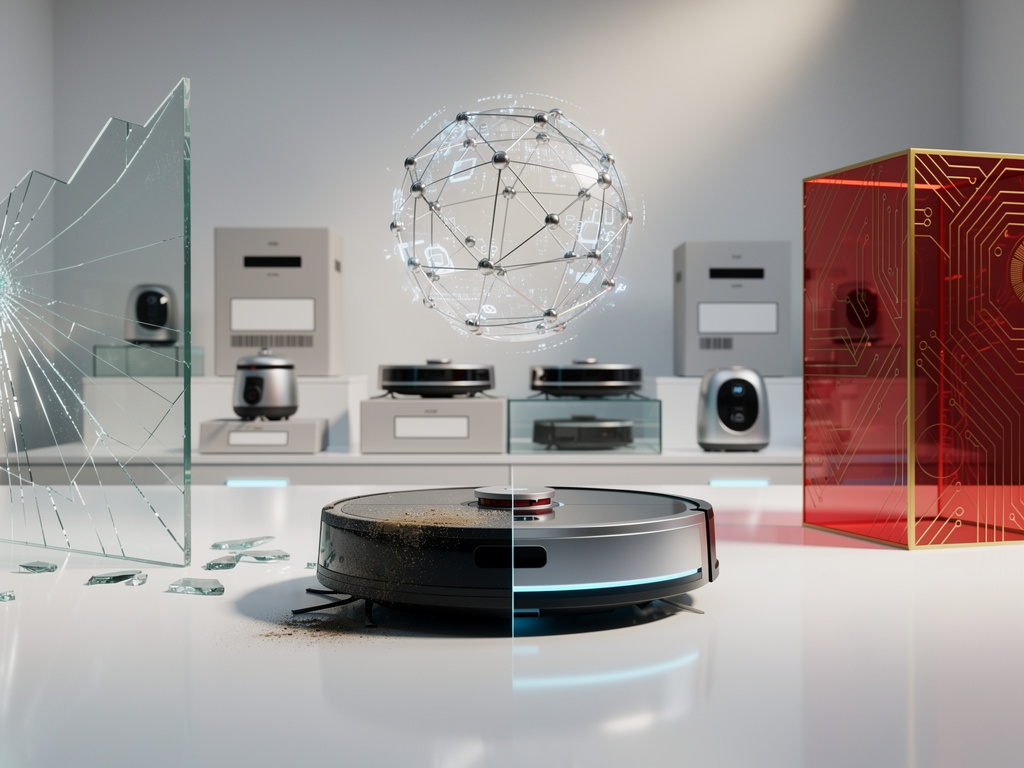
In the wake of iRobot’s recent bankruptcy filing and subsequent acquisition by its Chinese manufacturing partner, Picea Robotics, Roomba owners worldwide are grappling with uncertainty about the future of their robotic vacuums. The deal, announced in mid-December 2025, marks a dramatic turn for the pioneering company that popularized autonomous home cleaning. As iRobot transitions under new ownership, questions abound regarding ongoing product support, software updates, and the overall customer experience. Drawing from recent reports, this shift stems from a cascade of financial pressures, including failed merger attempts and intensifying competition from overseas rivals.
The bankruptcy proceedings, filed under Chapter 11, allow iRobot to restructure while being acquired by Picea for approximately $140 million, effectively wiping out shareholder value and a significant debt load. According to coverage in Reuters, the move was precipitated by mounting tariffs on imported goods and a sharp decline in profits post-pandemic. iRobot’s leadership has emphasized that this is not a liquidation but a strategic pivot to ensure continuity, yet consumers remain wary of potential disruptions.
For many, the immediate concern is whether existing Roomba models will continue to function seamlessly. The company’s app, which controls mapping, scheduling, and smart home integrations, relies on cloud services that could be vulnerable during ownership changes. Initial reassurances from iRobot’s executives suggest minimal short-term impact, but industry observers note that similar transitions in the tech sector have sometimes led to degraded service quality.
Navigating the Aftermath of Regulatory Roadblocks
The path to this acquisition was paved by the collapse of a proposed buyout by Amazon in 2024, blocked by European regulators over antitrust concerns. As detailed in a reflective piece from TechCrunch, iRobot’s founder Colin Angle described the 18-month regulatory ordeal as a death knell for the company’s independence, forcing it into financial distress. Without Amazon’s resources, iRobot struggled against “Chinese fast followers”—competitors who rapidly replicated and undercut its innovations.
This competitive pressure has reshaped the market for robotic vacuums, with brands like Ecovacs and Roborock gaining ground through aggressive pricing and feature parity. Angle, in interviews, highlighted how these rivals benefited from lower production costs and fewer regulatory hurdles, eroding iRobot’s market share. For customers, this means that while Roomba’s premium positioning once justified higher prices through superior navigation and durability, the acquisition could accelerate a convergence toward commoditized products.
Product support under Picea raises specific fears about data privacy and software longevity. iRobot’s devices collect extensive home mapping data, which has been a point of contention in past privacy debates. With Picea, a Shenzhen-based firm deeply embedded in China’s manufacturing ecosystem, some users worry about data handling practices differing from U.S. standards. Posts on X (formerly Twitter) reflect this sentiment, with users expressing concerns over potential access to U.S. household data by foreign entities, though no concrete evidence of misuse has emerged.
Reassurances Amid Uncertainty
iRobot’s current CEO has moved quickly to address these anxieties. In a statement covered by TechRadar, the executive promised that “it’s business as usual,” with warranties honored and the app remaining operational. This pledge extends to ongoing software updates, crucial for maintaining features like obstacle avoidance and integration with platforms such as Amazon Alexa or Google Home. For recent purchasers, this means their investments are protected—at least in the near term.
However, historical precedents in corporate takeovers suggest caution. When companies like Nest were acquired by Google, initial promises of independence gave way to deeper integrations that altered user experiences. Similarly, iRobot’s integration with Picea could lead to changes in supply chains, potentially improving hardware reliability through direct manufacturing control but risking delays in parts availability for older models.
Customer service channels, including iRobot’s helplines and online forums, are expected to persist, but the transition might introduce temporary hiccups. Reports from Mashable advise against buying new Roombas amid the uncertainty, suggesting that shoppers consider alternatives until the dust settles. For existing owners, the advice is to monitor app functionality and firmware updates closely, as any lapses could signal broader issues.
Lessons from a Pioneer’s Fall
The broader implications of iRobot’s downfall extend to innovation in consumer robotics. As explored in an analysis by The Atlantic, the Roomba represented a dream of seamless home automation, yet its bankruptcy underscores the vulnerabilities of specialized tech firms in a globalized market. Founded in 1990, iRobot survived decades of competition but faltered when regulatory and economic forces converged.
Former CEO Colin Angle has called the outcome “a tragedy for consumers,” per CNBC, arguing that the blocked Amazon deal stifled potential advancements in AI-driven cleaning. Under Picea, the focus might shift toward cost efficiencies rather than groundbreaking R&D, potentially slowing the evolution of features like advanced AI mapping or multi-floor navigation that Roomba users have come to expect.
On X, discussions highlight a mix of nostalgia and pragmatism, with some users lamenting the end of an American icon while others speculate on improved affordability post-acquisition. These social media sentiments, often anecdotal, underscore a divide: loyalists fear a dilution of brand quality, while budget-conscious consumers anticipate competitive pricing.
Strategic Shifts and Future Prospects
Picea’s role as iRobot’s primary supplier positions it well to streamline operations, potentially enhancing product reliability by reducing dependencies on third-party manufacturers. Coverage in The Guardian notes that this vertical integration could stabilize supply amid U.S.-China trade tensions, including recent tariffs that exacerbated iRobot’s woes. For customers, this might translate to faster repairs and more consistent part availability, addressing long-standing complaints about Roomba’s mechanical failures.
Yet, the customer experience could evolve in unforeseen ways. Integration with Chinese ecosystems, such as WeChat or Alibaba’s smart home platforms, might emerge, offering new functionalities for global users but alienating those in Western markets accustomed to Apple HomeKit or similar integrations. Industry insiders speculate that Picea could leverage iRobot’s patents to bolster its own brands, indirectly benefiting Roomba through shared technological advancements.
Warranties and support for legacy models remain a flashpoint. iRobot has committed to honoring existing guarantees, but the bankruptcy’s debt elimination could limit resources for long-term commitments. As reported in NPR, the company assures that devices will “keep working as usual,” yet experts recommend backing up home maps and preparing for potential app migrations.
Voices from the Industry and Consumers
Interviews with former executives reveal deeper insights into the competitive dynamics. In a Business Insider piece, Angle pointed to “Chinese fast followers” as a new breed of competitor that outpaced iRobot’s innovation cycle. This perspective resonates with broader trends in consumer electronics, where speed to market often trumps originality.
Consumer reactions, amplified on platforms like X, range from panic-buying replacement parts to calls for regulatory scrutiny of the deal. One prevalent theme is the fear of obsolescence; users with older Roombas worry that support might prioritize newer models under Picea’s regime. To mitigate this, iRobot has outlined a transition plan, including dedicated support teams during the handover.
Looking ahead, the acquisition could reinvigorate Roomba’s lineup. Picea’s manufacturing prowess might enable cost reductions, making high-end features more accessible. However, maintaining customer trust will hinge on transparent communication and uninterrupted service, as any missteps could drive users to competitors.
Balancing Innovation and Stability
The deal’s impact on research and development is another critical area. iRobot’s history of military and consumer robotics innovation, from bomb-disposal units to home vacuums, set it apart. Under Picea, there’s potential for cross-pollination with emerging technologies like AI companions or automated home assistants, but skeptics fear a focus on incremental improvements over bold leaps.
For industry insiders, this saga serves as a cautionary tale about mergers and global trade. As noted in a recent CNBC analysis, small tech firms may find big-tech rescues increasingly elusive due to antitrust hurdles, pushing them toward foreign buyers.
Ultimately, Roomba owners should expect a period of adjustment, with the true test coming in the months following the acquisition’s completion. By prioritizing seamless support and leveraging Picea’s strengths, iRobot could emerge stronger, preserving its legacy while adapting to new realities in the consumer robotics arena.


 WebProNews is an iEntry Publication