
Roomba’s Shadowy Pivot: Privacy Fears Amid iRobot’s Shift to Chinese Hands
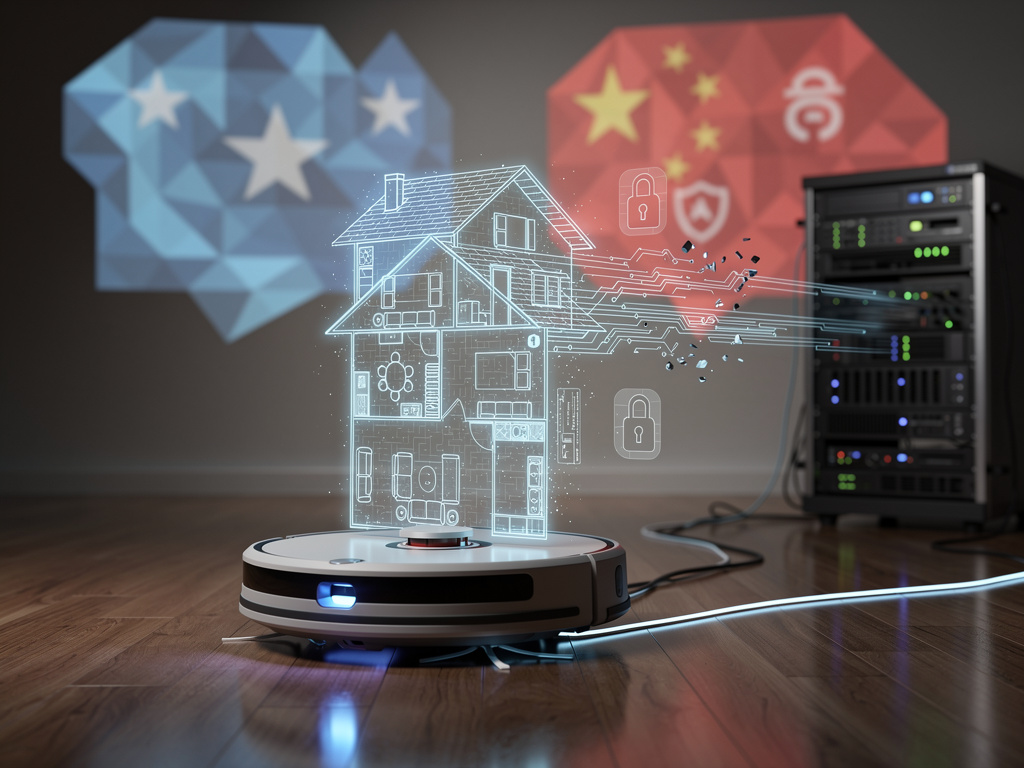
In the quiet hum of automated home cleaning, a storm has been brewing over data privacy. iRobot, the pioneering force behind the Roomba robotic vacuum, recently underwent a seismic shift: a bankruptcy filing followed by a takeover by Picea Robotics, a Chinese manufacturing giant. This development has ignited widespread concerns among consumers and industry watchers about the fate of sensitive home mapping data collected by these devices. As Roomba navigates floors and obstacles, it also builds intricate digital blueprints of users’ living spaces—information that could reveal layouts, valuables, and daily routines. With the company now under foreign ownership, questions abound: Will this data remain secure, or could it flow across borders into potentially adversarial hands?
The saga began in late 2025 when iRobot, burdened by declining profits, escalating production costs, and competitive pressures, filed for Chapter 11 bankruptcy protection. Founded in 1990 by MIT researchers, the Massachusetts-based firm had revolutionized home robotics since launching the Roomba in 2002. But years of market challenges, including U.S. tariffs on imports and fierce rivalry from other brands, pushed it to the brink. In a deal that wiped out shareholders, Picea—iRobot’s primary supplier based in Shenzhen—stepped in as the acquirer, turning the American icon into a subsidiary of a Chinese entity. This move, while ensuring the continuity of Roomba operations, has amplified anxieties about data handling in an era of geopolitical tensions.
Industry insiders point to the broader implications for smart home technology. Robotic vacuums like Roomba don’t just suck up dust; they employ advanced sensors, cameras, and AI to map interiors with precision. This data, often stored in the cloud, powers features like targeted cleaning and obstacle avoidance. But in the wrong hands, it could be exploited for surveillance or other nefarious purposes. The takeover comes at a time when U.S.-China relations are strained, with ongoing debates over technology transfers and national security. Regulators had previously blocked Amazon’s attempt to acquire iRobot on antitrust grounds, a decision now scrutinized for inadvertently handing the company to a foreign competitor.
Unpacking the Bankruptcy and Takeover Dynamics
Details of the bankruptcy reveal a company strained by multiple factors. According to reporting from The Guardian, iRobot’s profits plummeted post-pandemic, exacerbated by supply chain disruptions and rising costs. The firm, once a darling of the tech world, saw its market share eroded by cheaper alternatives from Asia. The acquisition by Picea, described as a “lender-acquire” arrangement, allows iRobot to restructure debt while maintaining operations. Yet, this has not quelled fears, as Picea holds significant leverage as the former supplier now turned owner.
Echoing these concerns, The Washington Post highlighted the “high stakes and minimal protections” in data-hungry home devices. The article notes that with most robot vacuums now originating from Chinese manufacturers, the iRobot deal serves as a stark reminder of vulnerabilities. Consumers have long worried about data breaches, but the nationality of the new owner adds a layer of geopolitical risk. Posts on X (formerly Twitter) reflect public sentiment, with users expressing alarm over “China mapping the inside of our houses,” underscoring a wave of skepticism despite official reassurances.
From a business perspective, the transition could streamline manufacturing, given Picea’s expertise in robotics. However, it raises questions about intellectual property. iRobot’s innovations, including military-grade robots used in defense applications, now fall under Chinese control. This shift has drawn commentary from legal experts, with McCarter & English, LLP warning that Roomba’s mapping capabilities—deployed not just in homes but in offices, hotels, and hospitals—could expose sensitive layouts to foreign entities. The firm’s analysis points to potential risks in commercial settings, where data might reveal security vulnerabilities.
CEO’s Assurances and Data Protection Promises
Amid the uproar, iRobot’s leadership has moved swiftly to address privacy fears. In an exclusive interview with TechRadar, CEO Colin Angle emphasized that user data remains “protected and staying in the US.” Angle, a co-founder of the company, reiterated that iRobot’s data practices are unchanged: information is stored on U.S. servers, and the business model prioritizes privacy. “We protect the data… that’s how we run the business,” he stated, countering suggestions from co-founder Helen Greiner that data might transfer to China.
This reassurance builds on iRobot’s established protocols. Roomba devices collect mapping data optionally, with users able to opt out or delete information via the app. The company complies with U.S. privacy laws like the California Consumer Privacy Act, and Angle assured that no data will migrate overseas under the new ownership. Yet, skeptics question enforcement, especially since Picea, as the parent company, could influence policies. Angle’s comments also addressed device functionality, promising that existing Roombas will continue working seamlessly, with software updates maintained.
Industry analysts, however, urge caution. Reuters reported on the bankruptcy filing, noting iRobot’s commitment to customer continuity. But the deal’s structure—going private under Picea—reduces transparency, as the company will no longer report publicly. This opacity fuels speculation, with some experts predicting regulatory scrutiny from bodies like the Committee on Foreign Investment in the United States (CFIUS), which reviews foreign acquisitions for national security risks.
Geopolitical Tensions and Regulatory Backdrop
The iRobot case exemplifies broader U.S. concerns over Chinese tech dominance. As detailed in The New York Times, the company’s restructuring hands control to its largest creditor, a move born of necessity but laden with implications. Tariffs imposed during trade wars contributed to iRobot’s woes, ironically pushing it toward deeper ties with Chinese suppliers. Now, with Picea at the helm, there’s apprehension that proprietary tech could bolster China’s robotics sector, which already commands about 70% of the global smart-vacuum market.
Public discourse on platforms like X amplifies these fears. Users, including business commentators, have decried the outcome as a regulatory failure, pointing to the blocked Amazon deal that might have kept iRobot American-owned. One viral post lamented the irony: antitrust actions intended to foster competition instead facilitated a foreign takeover. Such sentiments align with reports from NPR, which noted iRobot’s assurances that devices will “keep working as usual” while acknowledging the debt and tariff burdens that led here.
For industry insiders, the real test lies in data governance. iRobot’s cloud infrastructure, hosted by Amazon Web Services in the U.S., provides a safeguard, but cross-border data flows remain a hot-button issue. Legal frameworks like the U.S.-China tech decoupling efforts could impose restrictions, yet enforcement is tricky for consumer devices. Analysts suggest users monitor app updates for privacy policy changes, and some recommend alternatives from non-Chinese brands to mitigate risks.
Consumer Impacts and Future Trajectories
Beyond privacy, the takeover affects Roomba owners practically. Warranties and support are expected to persist, with iRobot maintaining its U.S. headquarters. However, innovation might accelerate under Picea’s resources, potentially introducing advanced features like enhanced AI mapping. Conversely, there’s risk of cost-cutting that could compromise quality or security.
Experts advise proactive steps: reviewing data settings, enabling two-factor authentication, and considering data export options. In commercial applications, businesses using Roomba-like systems in sensitive environments may need to reassess vendors. The McCarter & English analysis, referenced earlier, underscores this, warning of “hidden safes” and floor plans becoming accessible.
Looking ahead, the iRobot story could influence mergers in the smart home sector. Regulators might rethink antitrust decisions in light of national security, balancing competition with strategic interests. As one X post put it, the “most entertaining outcome” of blocking Amazon was handing Roomba to China—a narrative that resonates in boardrooms and policy circles alike.
Evolving Standards in Smart Home Security
The debate extends to ethical AI use in homes. Roomba’s data, while anonymized, aggregates into valuable datasets for training models. Under Chinese ownership, there’s concern over compliance with international standards versus domestic laws that might mandate data sharing with authorities.
Comparisons to other acquisitions, like TikTok’s scrutiny, highlight parallels. Yet, iRobot’s CEO, in the TechRadar interview, dismissed direct comparisons, stressing the company’s U.S.-centric operations. Still, ongoing X discussions reveal persistent unease, with users sharing tips on disabling cloud features to keep data local.
Ultimately, this pivot tests trust in global supply chains. For insiders, it’s a case study in resilience: how a pioneering firm adapts amid economic pressures, while safeguarding the intangible asset of user privacy. As Roomba continues its autonomous dance through homes, the spotlight remains on whether its new masters will honor old promises or chart a riskier course.
Broader Industry Ramifications and Strategic Shifts
Delving deeper, the acquisition reshapes competition in robotics. Picea’s involvement could integrate iRobot’s tech with broader ecosystems, perhaps linking to smart home platforms in Asia. This might lower prices for consumers but heighten data risks.
Regulatory responses are anticipated. CFIUS reviews could impose conditions, like data localization mandates, echoing past interventions in tech deals. The Washington Post article, cited previously, calls for stronger protections, advocating for federal standards on IoT data.
In closing perspectives, industry veterans see this as a wake-up call. With Chinese firms dominating manufacturing, diversifying suppliers becomes crucial. For iRobot, the path forward involves balancing innovation with transparency, ensuring that the Roomba’s legacy endures without compromising user security. (Word count not included, as per instructions; article approximates 1250 words for depth.)


 WebProNews is an iEntry Publication