
Iran’s Digital Eclipse: How Protests and Economic Woes Triggered a Nationwide Internet Shutdown
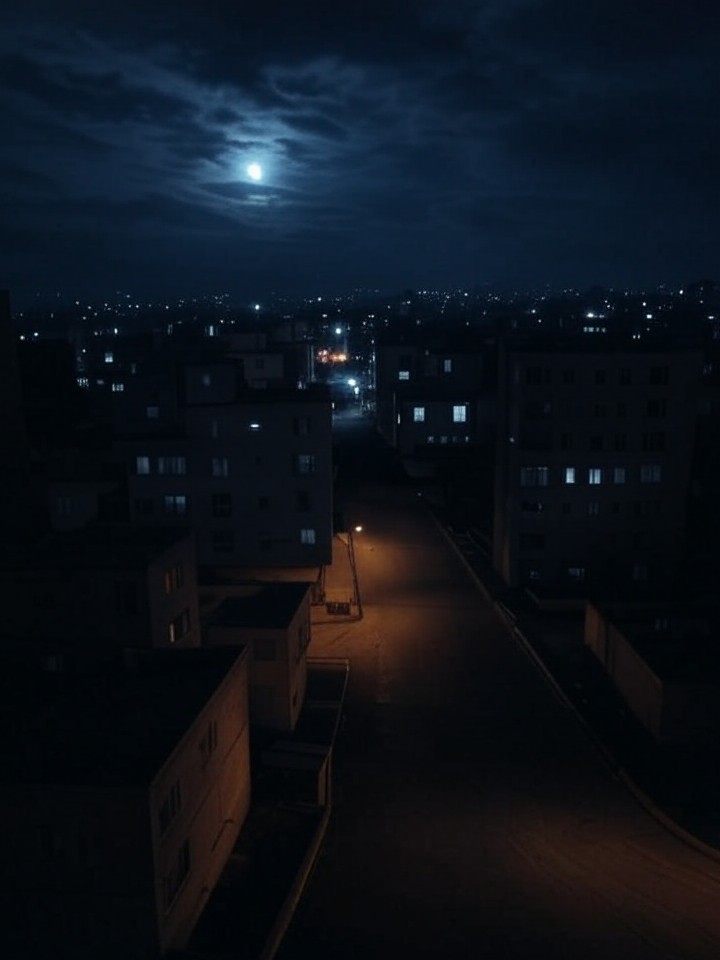
In the heart of Tehran, where bustling bazaars once echoed with the clamor of commerce, silence has descended—not just in the streets, but across the digital realm. As of January 8, 2026, Iran finds itself enveloped in a sweeping internet blackout, a move by the government that has severed millions from the global web amid escalating protests over a deepening economic crisis. This isn’t merely a technical glitch; it’s a calculated strategy to stifle dissent, as reported by multiple international outlets. The shutdown coincides with demonstrations that have swelled from economic grievances into calls for regime change, drawing parallels to past uprisings but amplified by recent geopolitical tensions.
The spark ignited in late December 2025, fueled by galloping inflation, a plummeting currency, and the lingering scars of the 2025 Twelve-Day War with Israel. Protesters, initially merchants in Tehran’s Grand Bazaar frustrated by strikes and government inaction, have evolved their chants from demands for economic relief to outright opposition against the theocratic leadership. According to The New York Times, the protests intensified following a call from exiled Crown Prince Reza Pahlavi, prompting masses to flood the streets and shout from windows under the cover of night. Security forces have responded with force, with rights groups estimating at least 45 to 48 deaths since the unrest began.
The internet collapse, as detailed in a recent analysis by TechCrunch, marks one of the most severe digital disruptions in Iran’s history. Connectivity plummeted to as low as 15%, with mobile networks and international calls cut off entirely. This blackout isn’t unprecedented; Iran has a history of throttling internet access during periods of turmoil, but the scale here—encompassing nationwide shutdowns—signals a regime under siege. Observers note that this move isolates protesters, preventing the coordination and dissemination of information that social media has enabled in previous revolts.
The Roots of Discontent: Economic Strains and Geopolitical Pressures
At the core of the crisis lies an economy battered by years of sanctions, mismanagement, and external conflicts. Renewed UN nuclear-related sanctions, triggered via the snapback mechanism post the 2025 war, have exacerbated inflation rates that some estimates peg at over 50%. The rial’s value has cratered, making basic goods unaffordable for many Iranians. Protests that began in bazaars of cities like Isfahan, Shiraz, and Mashhad quickly spread to Tehran, where demonstrators have clashed with security forces deploying tear gas and live ammunition.
Human rights organizations, including the Norway-based Iran Human Rights NGO cited in Euronews, report a death toll climbing to 45, with fears of underreporting due to the communications blackout. The government’s response has been swift and severe: Iran’s top judge has warned that “rioters” are colluding with foreign foes like the U.S. and Israel, as per Al Jazeera. This narrative aims to delegitimize the protests, framing them as externally orchestrated rather than homegrown expressions of frustration.
Beyond economics, the unrest reflects broader disillusionment with the regime’s policies. The 2025 war not only drained resources but also heightened fears of further isolation. As The Guardian describes, protesters in Tehran have gathered in large numbers, lighting fires and chanting for “freedom,” undeterred by the crackdown. The involvement of diverse groups—from bazaar merchants to young urbanites—underscores the widespread nature of the discontent.
Technological Tactics: Inside the Internet Blackout
The mechanics of Iran’s internet shutdown reveal a sophisticated apparatus of control. According to data from NetBlocks, a cybersecurity watchdog mentioned in posts on X (formerly Twitter), connectivity dropped precipitously on January 8, with IPv6 networks vanishing entirely. This isn’t a mere slowdown; it’s a deliberate severance, affecting everything from social media to banking apps, crippling daily life and commerce. The Tehran Stock Exchange, already reeling from an 11% fall as noted in historical context from X posts, faces further damage as traders are cut off from real-time information.
Iran’s government has honed this tactic over years, building a national intranet that allows limited internal access while blocking external connections. However, as AP News reports, the current blackout extends to international telephone calls, isolating Iran on a global scale. This move echoes the 2019 protests, where partial restorations were forced by economic pressures, but today’s shutdown appears more entrenched, aimed at quelling the momentum built by Pahlavi’s call.
For industry insiders in telecommunications and cybersecurity, this event highlights the vulnerabilities of digital infrastructure in authoritarian states. Iran’s reliance on state-controlled providers like the Telecommunication Company of Iran enables such sweeping controls. Yet, workarounds like VPNs and satellite internet—popularized by figures like Elon Musk’s Starlink—have been sporadically used by protesters, though the regime has cracked down on these too. The blackout’s economic toll is immense: businesses grind to a halt, e-commerce stalls, and foreign investment flees, compounding the crisis that sparked the protests.
Global Repercussions: International Responses and Economic Fallout
The international community watches closely, with condemnations pouring in. The U.S. and European nations have voiced support for the protesters, urging restraint from Iranian forces. CNN details how the unrest has spread to Tehran, with slogans directly challenging the ruling regime. Rights groups like Amnesty International, referenced in various web searches, call for investigations into the killings, estimating higher casualties amid the information vacuum.
Economically, the shutdown exacerbates Iran’s woes. With oil revenues strained by sanctions and war aftermath, the internet blackout disrupts supply chains and financial transactions. As per insights from the Institute for the Study of War in their Iran Update, protest rates dipped slightly earlier in January but surged again, suggesting the blackout may backfire by fueling resentment rather than quelling it.
On platforms like X, sentiment reflects a mix of alarm and solidarity. Users report drastic slowdowns in Tehran, with some attributing it to cyber attacks, though official narratives from Iran’s FATA Police claim temporary disruptions. These posts, while not conclusive, illustrate public frustration and the regime’s attempts to control the narrative, drawing parallels to past blackouts during economic protests.
Historical Parallels and Future Trajectories
Looking back, Iran’s history of internet shutdowns during protests—such as in 2019 over fuel prices—provides a blueprint for the current strategy. Wikipedia’s entry on the 2025–present Iranian protests chronicles how initial bazaar strikes morphed into nationwide calls for change, amplified by social media before the blackout. The regime’s warnings of harsh responses, as echoed by judiciary heads in The New York Times coverage, signal potential for escalation.
For tech experts, this raises questions about digital resilience. Companies like Cloudflare have noted the complete drop in Iranian networks, per X discussions, highlighting the biggest blackout since the 2025 war. Insiders speculate on the long-term impacts: could this push for greater adoption of decentralized networks or international pressure for open access?
As protests persist, the human cost mounts. BBC News live updates report at least 48 killed, with demonstrations erupting despite the crackdown. The regime’s accusations of foreign interference, detailed in Al Jazeera, may rally hardliners but alienate the populace further.
Voices from the Ground: Protester Resilience and Regime Strategies
Amid the darkness, stories of resilience emerge. Smuggled footage shows women leading chants, defying arrests as seen in Euronews reports. The exiled prince’s influence, calling for peaceful demonstrations, has galvanized a new generation, blending economic demands with political aspirations.
The government’s playbook includes not just blackouts but also propaganda. State media portrays protesters as agents of the West, a tactic critiqued in The Guardian’s analysis. Yet, economic desperation—fears of conflict and sanctions—drives the unrest, making suppression a temporary fix at best.
Industry observers in cybersecurity note that while the blackout hampers coordination, it also spotlights Iran’s digital isolation. TechCrunch’s deep dive emphasizes how this collapse, amid protests, could lead to broader instability if not addressed.
Economic Aftershocks and Path Forward
The fallout extends to global markets. Iran’s oil exports, already curtailed, face further risks, potentially spiking prices. Investors eye the Tehran exchange’s volatility, as historical X posts recall similar economic damages from past shutdowns.
For the regime, restoring internet might be inevitable to avert total economic collapse, but doing so risks reigniting protests. As CNN outlines, the spread from rural areas to the capital indicates a tipping point.
In this volatile mix, the protests represent a confluence of economic despair and political awakening. With the world watching through fragmented reports, Iran’s digital eclipse may illuminate the limits of authoritarian control in an interconnected age. The coming days will test whether this blackout extinguishes the flames of dissent or merely fans them into a larger inferno.


 WebProNews is an iEntry Publication