
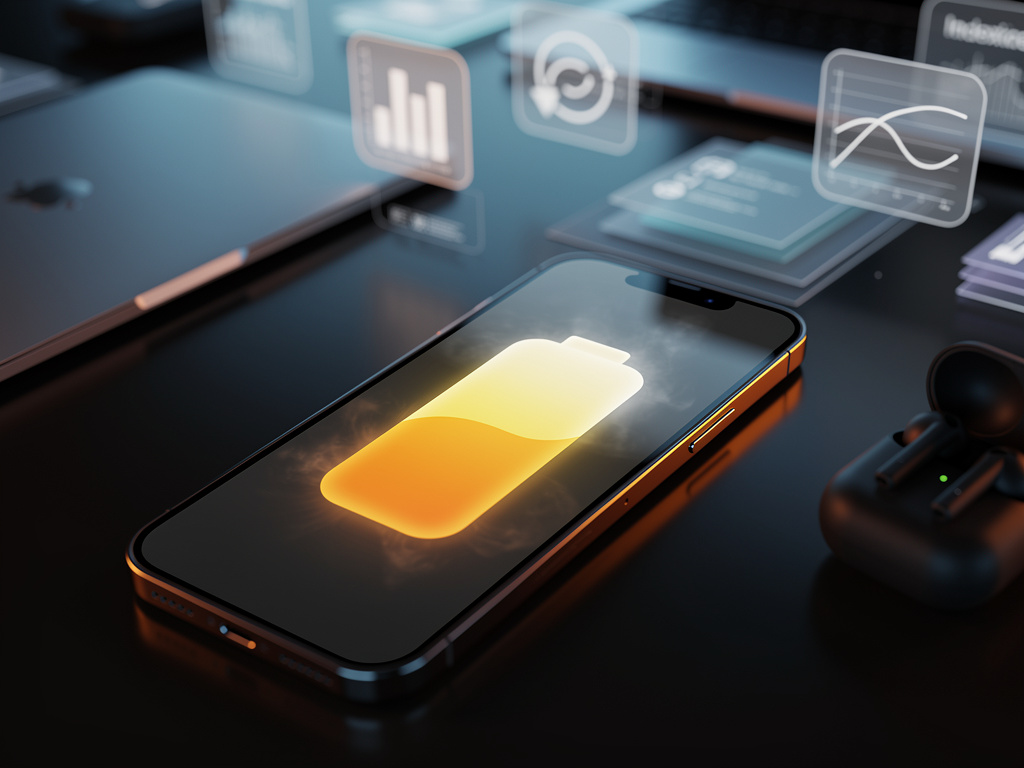
Apple pushed out iOS 26.5 on May 11. The update delivered end-to-end encrypted RCS messaging along with dozens of bug fixes. Within days, complaints poured in. Users reported their iPhones losing charge quicker than before. Phones ran warmer. Some needed extra top-ups by midday.
Don’t panic. This pattern repeats with nearly every major iOS release. CNET laid it out clearly days after launch. Apple had already prepared an explanation.
The company posted guidance on its support site. “Immediately after completing an update, particularly a major release, you might notice a temporary impact on battery life and thermal performance,” Apple stated. “This is normal, as your device needs time to complete the setup process in the background, including indexing data and files for search, downloading new assets, and updating apps.” The same language appeared in earlier documents covering iOS 26.
And the tasks add up. Re-indexing Spotlight search. Refreshing app caches. Downloading updated assets for new features. Apps themselves update in the background to match the new system. All this work demands CPU cycles and network activity. Heat follows. Battery percentage drops faster. The phone feels different for a stretch.
But how long does it last? Apple points to a few days. Sometimes a week. Background processes finish. The system settles. Battery life returns to expected levels. Or better. Some users on X noted stronger performance once the dust cleared.
Complaints surfaced across forums long before iOS 26.5. Apple Discussions threads from mid-2025 described similar patterns after iOS 18.5. Phones ran hot. Battery health readings shifted. Users charged two or three times daily. One post detailed an iPhone 16 Pro Max dropping from full-day use to needing frequent plugs. The pattern holds.
Yahoo Tech tracked the iOS 18.5 trend in late May 2025. Users posted on X about sudden jumps in drain rate. One account measured battery falling from 1% every seven minutes to 6% in the same span. Another saw health percentages dip right after install before stabilizing. These accounts echo reports from this month.
So what should owners do? First, check the Battery settings. iOS surfaces an “Ongoing iOS Update” insight when those background tasks run. It explains the extra consumption directly. Wait it out. Give the phone time. Avoid heavy use during the initial period if possible.
Other steps help too. Restart the device. That clears temporary caches. Turn on Low Power Mode temporarily. Review which apps consume the most power. Some may need updates from the App Store to work efficiently with the new OS. Disable Background App Refresh for apps that don’t need it.
Yet not every case traces back to indexing. Persistent drain after a week points elsewhere. Check battery health in Settings. Capacity below 80% often signals replacement time. Older phones feel the demands of new animations and features more sharply. The Liquid Glass interface introduced in iOS 26 added visual complexity that taxes GPU resources on some models. Macworld reported on ongoing performance tweaks needed for that interface as recently as last week.
Apple has released patches since iOS 26 launched. The company continues to refine power management. Features like Apple Intelligence, when enabled, drew separate complaints in earlier 18-series updates. ZDNET traced one user’s heavy drain to that suite in February 2025. Disabling it restored normal endurance.
Still, most iOS 26.5 reports describe temporary effects. One X user with an iPhone 16 Plus saw battery life improve after the update settled, reaching 60% at end of heavy use where previous versions hit 30%. Others hesitate to install, citing past health drops. The fear spreads easily on social platforms.
Industry watchers note this cycle. Each update brings new capabilities. The system adapts. Background work spikes at first. Then optimization follows in point releases. Battery graphs in Settings reveal the culprits once the initial wave passes. System processes dominate early. User apps take over later.
Owners of newer iPhones fare better. Larger batteries in the iPhone 16 and 17 lines absorb the extra load. Older models show more pronounced effects. Thermal management improves with each generation too. Yet the advice stays consistent across devices. Monitor. Wait. Adjust settings as needed.
Apple’s support page on battery performance after updates reinforces patience. It acknowledges that new features can draw more resources depending on usage patterns. The company optimizes over time. Users see the results in subsequent builds.
So if your iPhone feels thirstier today, check the date of your update. Has it been less than a week? The processes likely continue. Charge it. Use it. Let the system finish its work. The numbers should stabilize soon. And if they don’t, dig into the detailed usage breakdown. The data usually tells the story.
Reports from this week show the conversation continues. YouTube channels pump out fix videos. Forums fill with identical questions. The pattern repeats because the process does. Apple prepares its statement in advance. The message remains steady. This behavior is expected. It passes. Your battery isn’t broken.


 WebProNews is an iEntry Publication