
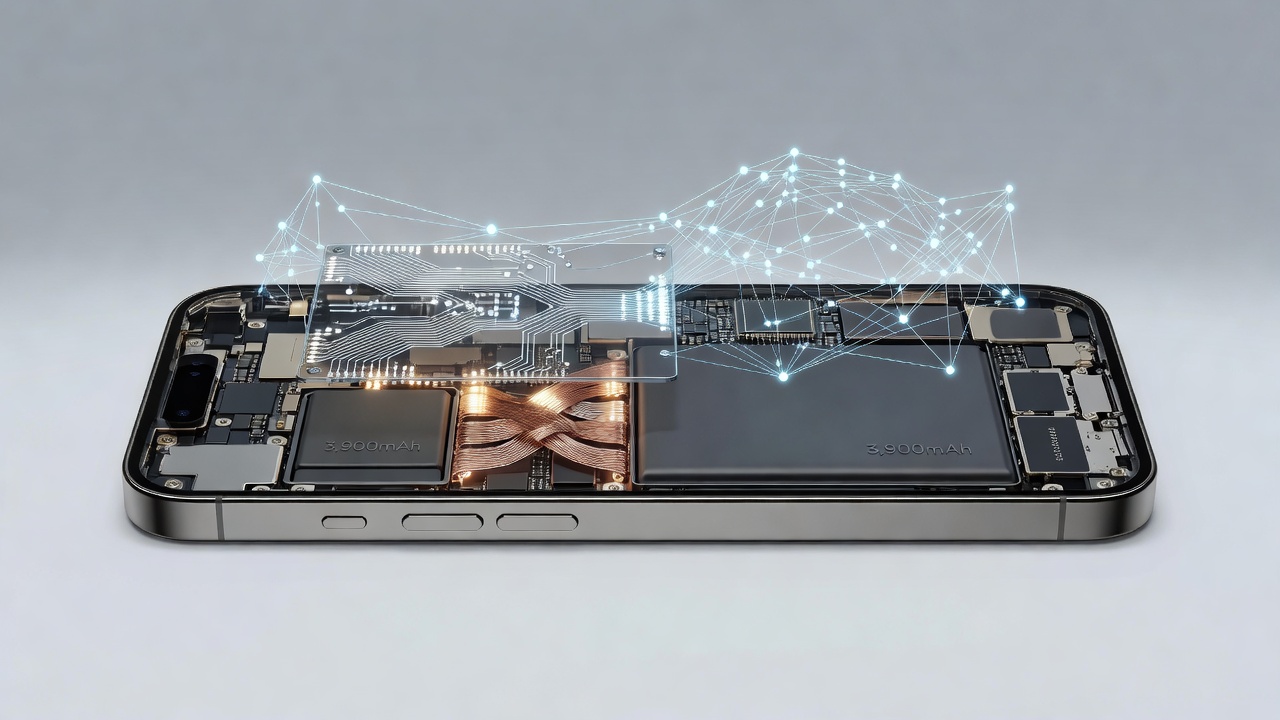
The iPhone 18 Pro is generating significant interest among technology enthusiasts due to reports suggesting Apple plans to increase its battery capacity substantially compared to previous models. According to details shared in a Mashable article, the device could feature a battery that measures around 3,900mAh, representing a notable jump from the iPhone 17 Pro’s estimated 3,600mAh cell. This potential enlargement aligns with Apple’s ongoing efforts to address user demands for extended usage times without compromising the phone’s slim profile.
Battery technology in smartphones has advanced steadily over the years, yet consumers continue to express frustration when their devices require frequent charging during busy days. The rumored capacity boost for the iPhone 18 Pro addresses this concern directly by packing more energy into the same physical space through improved cell chemistry and denser packing methods. Industry analysts point to refinements in silicon-carbon anode materials that allow manufacturers to store additional power without adding bulk to the chassis. Such developments enable Apple to maintain the iPhone’s signature thin design while delivering longer battery life that could reach up to 12 hours of heavy usage on a single charge under optimal conditions.
Engineers at Apple have reportedly focused on thermal management as part of this battery upgrade. Larger cells generate more heat during intensive tasks like video editing or gaming, so the company is said to be implementing advanced graphite sheets and vapor chamber cooling systems around the battery pack. These additions help dissipate warmth efficiently, preventing performance throttling that often occurs when temperatures rise. Users might notice the iPhone 18 Pro staying cooler during extended augmented reality sessions or while streaming high-resolution content for hours.
Software optimizations will play an equally vital role in maximizing the benefits of the larger battery. Apple’s iOS updates have historically included power management features that adjust background activity based on user patterns. With the iPhone 18 Pro, these algorithms could become even smarter, predicting when users need maximum performance and scaling resources accordingly. Machine learning models trained on anonymized usage data might automatically dim certain display elements or limit network polling during periods of inactivity, stretching the 3,900mAh capacity further than raw numbers suggest.
The display remains one of the primary power consumers on any smartphone, and rumors indicate the iPhone 18 Pro will sport a brighter LTPO OLED panel capable of reaching 2,000 nits outdoors. While higher brightness improves visibility, it also drains the battery faster if left at maximum levels. Apple is expected to introduce adaptive refresh rate technology that drops as low as 1Hz for static content, similar to what competitors have offered but refined for better balance between smoothness and efficiency. When combined with the increased battery size, this approach could allow all-day usage even for professionals who rely on their phones for constant email checks and video calls.
Camera improvements often demand more power, and the iPhone 18 Pro is anticipated to include a 48-megapixel ultrawide sensor alongside enhanced telephoto capabilities. Processing the additional data from these sensors requires significant computational effort, particularly when using features like computational photography or real-time video stabilization. The larger battery should provide headroom for these demanding operations without forcing users to monitor their charge levels anxiously. Early testing reports mentioned in technology circles suggest the phone can record 4K video at 120 frames per second for nearly two hours before needing a recharge, a substantial improvement over current models.
Charging speeds are another area where the bigger battery presents both opportunities and challenges. Apple has been conservative with wired charging rates compared to some Android manufacturers, but the iPhone 18 Pro might support up to 35 watts through its USB-C port. This would allow the 3,900mAh cell to reach 50 percent capacity in roughly 30 minutes, making quick top-ups more practical during commutes or between meetings. Wireless charging could see similar gains, with MagSafe accessories potentially delivering 25 watts under the right conditions. However, faster charging generates additional heat, so Apple will likely include temperature sensors that slow the process if the device becomes too warm to protect long-term battery health.
Material choices inside the battery pack deserve attention as well. The Mashable report highlights Apple’s interest in cobalt-free cathodes that reduce reliance on rare earth minerals while maintaining energy density. This shift not only addresses environmental concerns but also helps stabilize supply chains that have faced disruptions in recent years. By working directly with battery suppliers on custom formulations, Apple can tailor the voltage curve to match its processor’s requirements more precisely, extracting every possible milliamp-hour from the pack.
Durability remains a priority for any battery upgrade. The iPhone 18 Pro is expected to retain IP68 water and dust resistance ratings, meaning the larger cell must withstand pressure changes and potential impacts without leaking or degrading prematurely. Apple has strengthened the internal frame with titanium elements that better protect the battery from flexing during drops. Advanced battery management systems will continuously monitor cell voltage, temperature, and impedance to predict potential failures before they occur, notifying users when service might be required.
Competition in the premium smartphone market has intensified, with manufacturers like Samsung and Google introducing their own battery innovations. Samsung’s Galaxy S series has featured cells exceeding 4,000mAh for several generations, while Google’s Pixel phones emphasize software efficiency to achieve comparable endurance with smaller packs. Apple’s approach with the iPhone 18 Pro appears to combine moderate hardware increases with refined software controls, aiming for a balanced experience that avoids excessive thickness. The resulting device should feel familiar in the hand while offering noticeably better stamina during travel or long work shifts.
Privacy features tied to power management could expand with this new model. Since many location-based services and always-on listening capabilities consume background power, the iPhone 18 Pro might introduce more granular controls that let users see exactly which apps drain the battery most. An enhanced Settings menu could display predictive estimates showing how certain toggles might extend usage time by specific percentages. Such transparency helps users make informed decisions rather than wondering why their phone dies earlier than expected.
Manufacturing challenges associated with larger batteries cannot be overlooked. Scaling production of 3,900mAh cells while maintaining strict quality standards requires precision equipment and extensive testing protocols. Apple reportedly invested in automated assembly lines that monitor electrode alignment to within microns, reducing the risk of internal shorts that could lead to swelling or safety issues. These investments ensure that the battery not only performs well when new but retains at least 80 percent capacity after 1,000 charging cycles, extending the practical lifespan of the device.
Accessories designed specifically for the iPhone 18 Pro will likely take advantage of the increased capacity. Power banks with passthrough charging could keep the phone topped up during multi-day trips, while car mounts with integrated wireless chargers might become more popular among commuters. Developers are already experimenting with applications that adjust their resource usage based on remaining battery percentage, creating a more harmonious relationship between hardware and software.
The environmental impact of bigger batteries raises valid questions about sustainability. Apple has committed to using recycled materials wherever possible, and the iPhone 18 Pro’s battery could contain up to 50 percent recycled cobalt if current trends continue. The company also plans to expand its trade-in program to recover more materials from older devices, closing the loop on resource consumption. By designing the battery for easier replacement at authorized service centers, Apple aims to reduce electronic waste while giving users options when capacity inevitably declines over years of use.
Photography enthusiasts who capture raw images or shoot in ProRes format will benefit particularly from the extra power reserves. These formats require substantial processing and storage bandwidth that quickly drain smaller batteries. With the iPhone 18 Pro’s enhanced cell, creators can work longer in the field without carrying additional charging equipment. Video editors using the phone as a portable workstation might find themselves completing entire projects on battery power alone, a capability that seemed distant just a few product generations ago.
Network connectivity improvements will interact closely with the new battery size. The iPhone 18 Pro is rumored to support faster 5G modems and possibly early 6G testing features that consume more power during peak data transfers. Apple has optimized the antenna array to maintain signal strength while reducing unnecessary scanning, preserving energy for actual usage. Users in areas with spotty coverage should experience fewer sudden battery drops caused by the radio working overtime to find towers.
Display technology continues evolving alongside battery capacity. The iPhone 18 Pro’s screen might incorporate micro-lens arrays that direct light more efficiently toward the viewer rather than wasting it at wide angles. This advancement could lower overall power consumption by 15 percent compared to traditional OLED panels, effectively amplifying the benefits of the larger 3,900mAh battery. Colors would appear more vibrant at lower brightness settings, benefiting users who prefer to keep their screens dimmer to save power.
Security features like Face ID have grown more sophisticated, requiring additional processing during authentication. The iPhone 18 Pro could include a faster neural engine that completes these checks quicker, reducing the time the main processor stays active. Such efficiencies compound across thousands of daily interactions, contributing to better overall battery performance without sacrificing the device’s responsive feel.
As supply chains stabilize and production ramps up, early adopters will have the chance to test these battery claims in real-world scenarios. Reviews will likely focus not just on raw capacity numbers but on how the phone behaves during mixed usage that includes streaming, social media, navigation, and productivity applications. The Mashable coverage suggests that Apple has struck a careful balance between size, weight, and endurance that could set new expectations for flagship phones in the coming years.
Accessories and cases will need redesigns to accommodate any slight dimensional changes resulting from the battery expansion. Manufacturers are already preparing slim battery cases that add even more capacity for users who need multiple days of autonomy. These options expand the iPhone 18 Pro’s versatility for different lifestyles, from frequent travelers to outdoor enthusiasts who venture far from power outlets.
Ultimately, the larger battery in the iPhone 18 Pro represents Apple’s response to years of feedback about wanting devices that simply last longer between charges. By combining hardware advances with intelligent software and careful thermal design, the company aims to deliver a phone that stays powered through demanding schedules while retaining the premium build quality users expect. The 3,900mAh figure serves as a foundation for these improvements, promising a more reliable companion for modern digital life.


 WebProNews is an iEntry Publication