
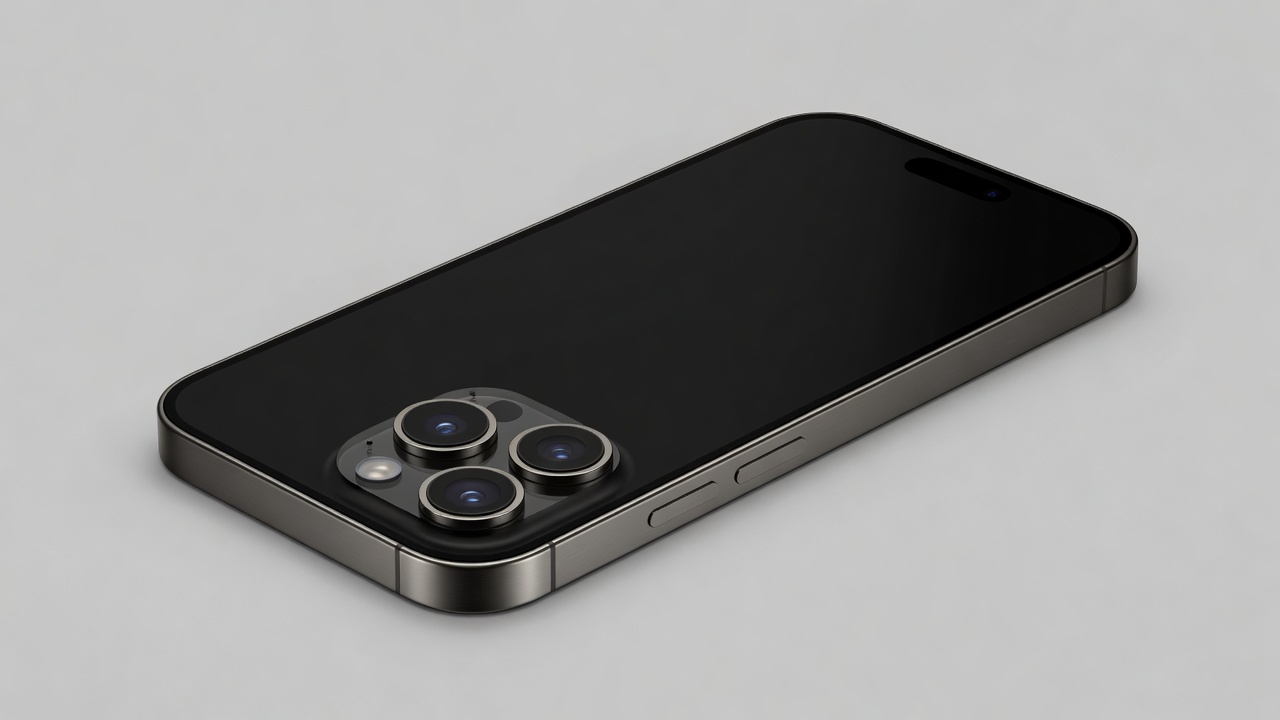
Apple has long maintained a careful balance between pushing hardware boundaries and preserving the iPhone’s signature slim profile, yet fresh details emerging from supply chain sources suggest the company may break from that pattern with the iPhone 18 Pro Max. According to reporting from 9to5Mac, the device could weigh noticeably more than recent predecessors, marking a shift driven by expanded internal components and new material choices. This development arrives as Apple prepares for what analysts expect will be one of the most significant design overhauls in the iPhone lineup since the introduction of Dynamic Island.
The anticipated weight increase stems primarily from two major upgrades: a larger battery capacity and the integration of advanced display technology. Industry observers tracking component shipments indicate the iPhone 18 Pro Max may house a battery exceeding 5,000 milliampere hours, a substantial jump from the roughly 4,400 mAh cell found in the iPhone 16 Pro Max. Such an expansion would support extended usage periods, particularly as artificial intelligence features demand more power for on-device processing. At the same time, the phone is rumored to adopt under-panel Face ID sensors, removing the need for a dedicated notch or pill-shaped cutout and allowing the entire front surface to function as an uninterrupted display.
This combination of a bigger power source and hidden biometric hardware requires additional structural support. Supply chain reports point to thicker internal frames and reinforced chassis elements that add measurable mass. Early estimates place the iPhone 18 Pro Max somewhere between 240 and 250 grams, which would make it the heaviest iPhone since the original Plus-sized models from nearly a decade ago. For context, the iPhone 16 Pro Max currently sits at 227 grams, meaning the increase could feel tangible in the hand despite the phone’s expected dimensions remaining close to those of its predecessor.
Design changes extend beyond simple weight considerations. The 9to5Mac article highlights that Apple may return to a more squared-off titanium frame rather than the gently curved edges seen on recent Pro models. This return to sharper lines would echo the industrial aesthetic of the iPhone 12 and 13 series while providing better grip for users who prefer a secure hold. The material itself is expected to undergo further refinement, with a new micro-textured finish that resists fingerprints more effectively than the polished titanium currently in use.
Display technology represents another area of substantial investment. The iPhone 18 Pro Max is projected to feature a 6.9-inch OLED panel with variable refresh rates reaching 120Hz and peak brightness levels approaching 2,000 nits outdoors. More significantly, the panel may incorporate micro-lens array technology that improves light efficiency and allows the under-display camera and Face ID components to remain invisible during normal use. These advances come at a cost in terms of both thickness and weight, as additional layers of circuitry and heat-dissipation materials must fit within the already crowded interior.
Camera capabilities are also slated for meaningful upgrades that contribute to the overall heft. Rumors suggest a 48-megapixel ultrawide sensor will join the existing main and telephoto lenses, creating a true triple 48-megapixel array across all focal lengths. Such hardware requires larger image stabilization modules and more sophisticated cooling systems to manage heat during extended video recording sessions at 8K resolution. The 9to5Mac report indicates these camera improvements alone could account for nearly ten grams of the projected weight gain.
Processing power will come from a next-generation A20 chip manufactured on a 2-nanometer process. This smaller transistor size promises better energy efficiency, which helps offset some of the power draw from the larger display and additional sensors. However, the chip’s increased transistor count and accompanying neural engine for advanced AI tasks still necessitate extra cooling infrastructure, including larger graphite sheets and vapor chamber elements that add further mass.
Battery technology itself has evolved beyond simple capacity increases. Apple is reportedly working with suppliers to implement a new stacked cell design that improves energy density while maintaining safety standards. This architecture allows the battery to occupy less internal volume relative to its capacity, yet the protective casing and management circuitry still contribute to the device’s density. Users can expect faster charging speeds as well, with 40-watt wired charging and improved magnetic wireless charging that benefits from the larger battery’s ability to handle higher thermal loads.
The decision to accept additional weight reflects shifting consumer priorities. While early iPhones emphasized minimal mass above all else, modern users increasingly value all-day battery life and professional-grade camera systems. Market research consistently shows that a significant portion of Pro model buyers would gladly accept a few extra grams in exchange for meaningful improvements in endurance and imaging performance. Apple appears to have internalized this feedback, choosing capability over featherweight construction for its flagship device.
Comparisons with competing Android flagships provide useful context. Samsung’s Galaxy S series Ultra models have routinely exceeded 230 grams while offering massive batteries and sophisticated stylus support. Google’s Pixel Pro devices have similarly grown heavier with each generation as computational photography hardware expands. In this environment, the iPhone 18 Pro Max’s projected weight places it firmly within the same category as its most direct rivals rather than maintaining a lighter profile that once distinguished it.
Ergonomics will play a central role in how the added mass is perceived. The phone’s slightly thicker chassis, expected to measure around 8.8 millimeters, should distribute weight more evenly across the palm. Titanium’s inherent strength allows Apple to maintain structural integrity without excessive material thickness, helping to prevent the device from feeling unnecessarily bulky. Textured side rails may also improve handling, reducing the likelihood that the extra grams translate into fatigue during prolonged use.
Software optimizations will complement the hardware changes. iOS updates expected alongside the iPhone 18 series will include more aggressive power management features that extend battery life beyond what raw capacity numbers suggest. On-device machine learning models will predict usage patterns and adjust background activity accordingly, while new display dimming algorithms will reduce power consumption during static content viewing. These improvements ensure that the larger battery delivers tangible benefits rather than simply maintaining current performance levels.
Production timelines indicate that Apple has already begun tooling for the new design. Component suppliers in Asia have reportedly received specifications for the thicker mid-frame and updated battery connectors, suggesting the company remains confident in the overall direction. Mass production is anticipated to begin in late summer 2026, with initial shipments focused on the Pro Max variant before other models follow. This staggered approach allows Apple to refine manufacturing processes for the more complex assembly required by the under-display components.
Consumer reaction to the weight increase will likely split along predictable lines. Enthusiasts focused on photography and battery performance will welcome the changes, while users who prioritize pocketability may express disappointment. Apple’s challenge lies in communicating the reasoning behind the added mass so that customers understand the trade-offs involved. Marketing materials will probably emphasize real-world usage benefits rather than raw specifications, highlighting how the phone maintains comfortable handling despite its specifications.
Looking further ahead, this potential shift toward heavier devices could signal a broader trend within Apple’s hardware strategy. As artificial intelligence capabilities expand and sensor arrays grow more sophisticated, the physical demands placed on mobile devices continue to increase. The iPhone 18 Pro Max may represent an early example of Apple accepting greater mass as a necessary compromise for meaningful capability gains. Future iterations could explore alternative materials like advanced composites or magnesium alloys to offset some of the weight, but for the immediate future, the focus remains on delivering the most capable iPhone yet.
The reported specifications also raise questions about pricing. A larger battery, more advanced display, and triple high-resolution camera system typically translate into higher costs. Analysts expect the iPhone 18 Pro Max to start at $1,199, maintaining the pricing structure established in recent years while offering substantially more hardware capability. Whether consumers accept this value proposition will depend largely on how effectively Apple demonstrates the practical advantages during hands-on demonstrations and marketing campaigns.
Color options may receive attention as well. The 9to5Mac coverage mentions possible new finishes including a deep navy blue and an updated silver that showcases the textured titanium more prominently. These aesthetic choices could help differentiate the heavier Pro Max from lighter standard models, creating visual cues that prepare buyers for the different in-hand experience.
Ultimately, the iPhone 18 Pro Max appears positioned as a device that prioritizes comprehensive performance improvements over traditional concerns about minimal weight. By embracing additional mass to accommodate superior battery life, an uninterrupted display, and professional imaging tools, Apple seems prepared to redefine expectations for what constitutes a premium smartphone experience. The coming months will reveal whether this calculated increase in heft represents a temporary adjustment or the beginning of a new chapter in iPhone design philosophy. As component sourcing continues and prototypes reach final validation stages, the technology community watches closely to see how these rumored specifications translate into an actual product that millions of users will carry daily. The balance between capability and comfort has rarely been more delicate, yet current indications suggest Apple believes the scales now tip toward greater functionality even at the cost of a few additional grams.


 WebProNews is an iEntry Publication