
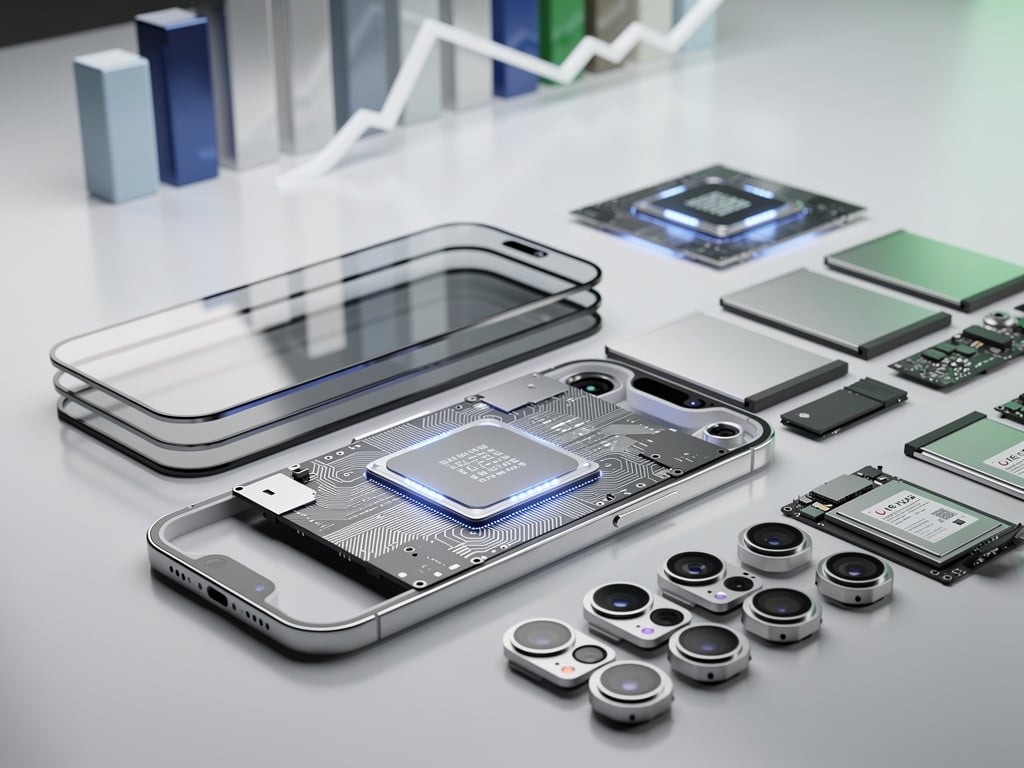
The latest rumors surrounding Apple’s future iPhone lineup suggest that the iPhone 18 Pro models scheduled for 2026 could arrive with pricing that undercuts current expectations. According to a fresh report from 9to5Mac, supply chain sources indicate that component costs for the Pro variants may come in lower than previously forecasted, opening the door for Apple to adjust its retail strategy without sacrificing profit margins.
This development arrives amid broader conversations about smartphone pricing trends. For several generations, Apple has steadily increased the entry point for its Pro models, pushing the iPhone 17 Pro expected this fall to start at $1,099 in the United States. Should the 2026 devices follow the pattern set by recent releases, many analysts anticipated another bump that would place the base iPhone 18 Pro closer to $1,199 or even higher. The new information points instead toward stability or even a modest reduction, which could reshape how consumers perceive premium Android alternatives from Samsung, Google, and Chinese brands.
Several factors appear to be driving the potential cost savings. Industry insiders point to maturing production processes for the anticipated A20 series chips, which are expected to move to a more advanced fabrication node. As yields improve over the next two years, the per-unit expense of these powerful processors could drop noticeably. Display technology also plays a significant role. The iPhone 18 Pro series is widely expected to adopt under-panel Face ID components and possibly thinner bezels across all four models, yet the 9to5Mac report suggests that suppliers have found ways to streamline assembly that reduce material waste and lower overall module pricing.
Camera hardware represents another area where expenses may moderate. While the Pro models will almost certainly retain triple-lens arrays with larger sensors, incremental improvements in lens coatings and image signal processing might not require the same level of exotic materials used in the jump from 48-megapixel to higher resolutions in prior generations. Battery technology could follow a similar path. With efficiency gains from the new chip architecture, Apple might specify slightly smaller cells without compromising runtime, trimming both weight and cost simultaneously.
The potential pricing relief carries implications that extend beyond simple sticker shock. Apple has worked hard to position its Pro devices as professional tools rather than mere luxury phones. Features like ProRes video recording, LiDAR scanning, and advanced computational photography justify the premium for many buyers, particularly those in creative fields. If the company can maintain those capabilities while holding the line on price, it might broaden the addressable market without diluting brand perception.
Competition in the premium segment continues to intensify. Samsung’s Galaxy S series has narrowed the feature gap with each iteration, while foldable designs from multiple manufacturers offer entirely different form factors at comparable price points. Chinese vendors such as Xiaomi, Oppo, and Vivo have released devices with impressive specifications that sometimes exceed Apple’s hardware on paper, though they typically lag in software polish and long-term support. A more accessible iPhone 18 Pro could help Apple defend its market share in regions where price sensitivity runs higher than in the United States.
Analysts remain divided on exactly how Apple might deploy any savings. The company could absorb the lower component costs to protect its famously high gross margins, which have hovered near 40 percent for iPhones in recent quarters. Alternatively, executives might decide to pass some of the benefit along to customers through either static pricing or actual reductions. Historical patterns offer mixed signals. The iPhone 12 mini represented an attempt to offer flagship performance at a lower price point, yet it was discontinued after two generations due to relatively soft demand. The standard iPhone SE models have served as entry points, but they deliberately omit many Pro-exclusive features.
Memory configurations could also influence final pricing decisions. Current Pro models ship with 8GB of RAM, while rumors suggest the iPhone 18 series might standardize on 12GB across Pro and Pro Max variants to support more demanding artificial intelligence tasks. If those memory chips become less expensive through bulk purchasing agreements or new supplier contracts, Apple gains additional flexibility. The same logic applies to storage options. Base models currently start at 128GB or 256GB depending on the tier. Any reduction in NAND flash pricing might allow Apple to bump the baseline capacity without raising the advertised price.
Design changes expected for the 2026 generation could affect manufacturing expenses in both directions. Leaks suggest the iPhone 18 Pro may feature a slightly curved display edge and a redesigned chassis that integrates the antenna array more efficiently. While such modifications require new tooling, the long lead time between now and 2026 gives suppliers ample opportunity to optimize production lines. The shift toward greater use of recycled materials, already well underway at Apple, might further reduce dependency on volatile raw commodity markets.
Software considerations cannot be overlooked when discussing pricing strategy. Apple Intelligence features announced in recent years have placed increasing demands on both hardware and cloud infrastructure. By the time the iPhone 18 series launches, on-device machine learning models will likely be more sophisticated, requiring tighter integration between silicon and software teams. Any cost savings on the bill of materials could help offset the ongoing investment in these AI capabilities, which have become central to Apple’s marketing message.
Consumer reaction to pricing news often proves difficult to predict. Some buyers fixate on the absolute number displayed at checkout, while others evaluate total cost of ownership over two or three years. Apple’s trade-in program has grown substantially, effectively lowering the net price for many customers who upgrade regularly. If the company can advertise the iPhone 18 Pro at a figure lower than anticipated, it might generate positive headlines that drive traffic into stores even among those who ultimately choose a different model.
Global economic conditions between now and late 2026 will undoubtedly influence final decisions. Inflation rates, currency fluctuations, and component shortages have all affected smartphone pricing in the past. The 9to5Mac report acknowledges that plans can change as new data emerges from suppliers. What appears as a cost advantage today could evaporate if unexpected bottlenecks appear in specialty glass production or if geopolitical tensions disrupt rare earth mineral supplies.
The timing of this rumor also coincides with increased scrutiny of Apple’s overall pricing power. Critics have argued that successive price increases have outpaced meaningful innovation for some users, particularly those who primarily use their phones for communication and media consumption. A more restrained approach for the iPhone 18 Pro could serve as a subtle acknowledgment of that feedback while still delivering the performance improvements buyers expect from each new generation.
Looking further ahead, the introduction of the iPhone 18 series will mark roughly two decades since the original iPhone transformed the industry. Apple has consistently managed to refresh its flagship offering while maintaining a coherent product philosophy. The possibility of lower-than-expected pricing for the Pro models represents one more data point in an ongoing effort to balance innovation, manufacturing reality, and customer expectations.
Supply chain reports of this nature rarely tell the complete story on their own. They provide valuable signals about component costs and production readiness but cannot account for the strategic choices Apple’s leadership will make closer to launch. Marketing teams, retail partners, and carrier subsidy programs all factor into the final price consumers see. Still, the early indication that costs might moderate offers a measure of optimism for those concerned about the steady upward trajectory of premium smartphone pricing.
As development continues, additional details will surface regarding exact specifications, feature sets, and regional availability. For now, the prospect of an iPhone 18 Pro that costs less than many had feared adds an intriguing dimension to the conversation. It suggests that Apple may have found meaningful efficiencies in its supply chain that could translate into tangible benefits for buyers, potentially making advanced mobile technology more accessible to a wider audience without compromising the quality standards the company has spent nearly two decades refining. The coming months and years will reveal how these early cost projections hold up against the complex realities of bringing a new flagship device to market at global scale.


 WebProNews is an iEntry Publication