
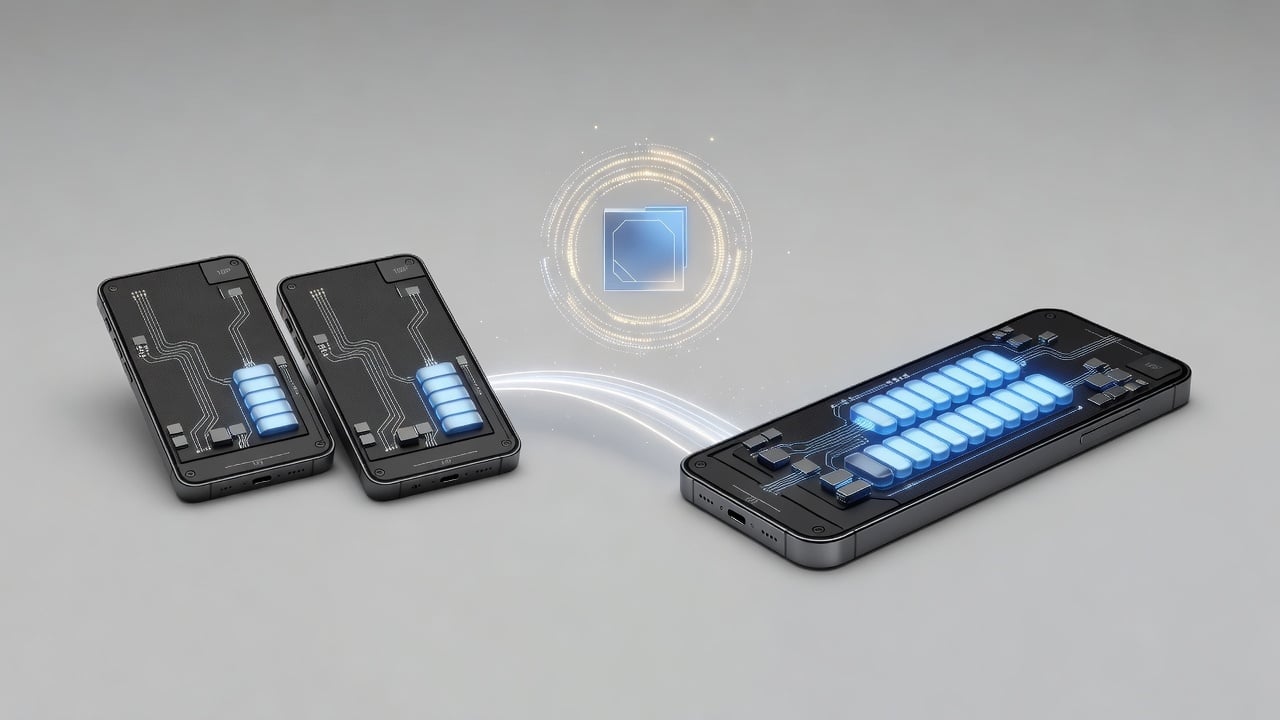
Apple appears poised to deliver its largest single-year battery capacity increase for the iPhone 18 Pro Max in recent memory. New Chinese regulatory filings have surfaced that list specific energy ratings for the next Pro lineup, confirming earlier leaks and highlighting a split between regional models.
The filings, spotted in China’s C3 database, point to 4,056 mAh for the China-spec iPhone 18 Pro and 4,288 mAh for the U.S. version. MacRumors first reported the details after leaker Digital Chat Station shared them on Weibo. Compare those numbers to the iPhone 17 Pro. China model sat at 3,988 mAh. U.S. version reached 4,252 mAh. The gains register as modest. Just 68 mAh in one market. Only 36 mAh in the other.
Yet the story changes when the focus shifts to the larger device. The iPhone 18 Pro Max listings show 5,391 mAh for China and a striking 5,567 mAh for the United States. That marks an increase of roughly 500 mAh over the iPhone 17 Pro Max, which carried 4,823 mAh in China and 5,088 mAh in the U.S. The difference stems from hardware design. Apple equips international models with a physical SIM tray. U.S. units dropped that component years ago. The freed space lets engineers pack in extra cells.
These numbers first circulated in social media posts several days earlier. 9to5Mac examined claims that listed 5,235 mAh for physical-SIM iPhone 18 Pro Max units and 5,425 mAh for eSIM-only variants. The figures came from now-deleted posts and carried questionable provenance. Some observers tied them to a data breach at supplier Tata Electronics. Others noted the timing aligned with genuine leaks from that incident. Still, the regulatory filings now lend weight to the higher range. They list battery models such as S2232, S2233 for the smaller Pro and 2235L through 2236 for the Max. Rated energy reaches 21.751 Wh. Charge limit voltage sits at 4.520 V. Certifications remain valid into 2031.
Analysts have tracked this progression for months. In February, Digital Chat Station forecast that the iPhone 18 Pro Max would cross into five-thousand milliampere-hour territory. Supply chain sources at the time suggested 5,100 mAh to 5,200 mAh depending on configuration. The latest data exceeds even those projections for the U.S. model. Macworld observed that such capacities would surpass the Samsung Galaxy S26 Ultra’s reported 5,000 mAh cell. They would also quiet years of criticism that Apple kept its flagship batteries too small compared with Android rivals.
But raw capacity tells only part of the story. Apple has spent generations refining system-level efficiency. The rumored A20 Pro chip, built on a 2-nanometer process, promises lower power draw than its predecessor. A new C2 modem outside the U.S. could further trim consumption during cellular tasks. Combine those advances with the bigger cells and battery life could stretch noticeably. Some early speculation on X points to potential gains of several hours in mixed use. One post from today suggested the Pro Max might deliver “crazy good” endurance. Another highlighted that 5,567 mAh paired with efficiency tweaks could push real-world screen time higher than any prior iPhone.
The filings do not reveal exact runtime estimates. Apple rarely publishes those before launch. Past models have shown that even small capacity bumps deliver outsized benefits when software and silicon improve in tandem. Remember the iPhone 16 Pro Max. It offered solid all-day performance despite a cell that looks ordinary on paper. The iPhone 18 Pro Max starts from a higher baseline. Observers expect it to set new records for the Pro tier.
Regional differences add complexity for global buyers. U.S. customers have enjoyed slightly larger batteries since the iPhone 14 series eliminated the SIM tray. International users face a trade-off. The physical slot consumes space that could otherwise hold more energy storage. That gap has widened with each generation. On the iPhone 18 Pro Max the U.S. advantage reaches nearly 180 mAh. For power users who travel, the disparity may influence purchasing decisions or prompt calls for Apple to standardize eSIM worldwide.
These leaks arrive at a busy moment for Apple’s hardware roadmap. The company plans to launch the iPhone 18 Pro and Pro Max in September alongside its first foldable device. Rumors also swirl around a variable-aperture main camera, a smaller Dynamic Island cutout, and other design tweaks. Battery talk, however, dominates early conversation. Industry watchers have waited for Apple to close the gap with competitors who routinely advertise 6,000 mAh and higher. The new figures show progress. The Pro Max move feels substantial. The standard Pro update appears restrained.
Supply chain chatter continues to evolve. Recent X posts reference the same regulatory documents and note the filings match June leaks from the same Weibo account. One analyst account posted a side-by-side table that illustrated the year-over-year deltas. The Pro Max jump stands out. Nearly 500 mAh represents the biggest absolute increase Apple has given a Pro model in several cycles. Whether that translates into marketing claims of “all-day plus” battery or simply quieter confidence in endurance remains to be seen.
Questions linger about real-world validation. Certification numbers reflect laboratory ratings, not usage under typical loads. Heat management, display brightness, and 5G activity all affect longevity. Apple’s optimization team has proven adept at squeezing extra minutes from modest hardware. If the A20 Pro delivers the efficiency gains many expect, the iPhone 18 Pro Max could feel transformative for users who previously ran low by evening.
Competitive pressure adds context. Samsung, Google, and Chinese brands have pushed battery sizes aggressively. Some foldables now boast cells above 4,800 mAh in compact bodies. Apple has historically favored balance over brute capacity. Thinner designs, premium materials, and class-leading efficiency formed its defense. The latest filings suggest the company is no longer content to trail on raw numbers. It wants to lead on both fronts.
Investors will watch closely. Battery life ranks among the top reasons consumers cite for upgrading phones. Strong gains could support premium pricing and drive replacement cycles. Suppliers of battery cells and related components may see orders rise. Yet Apple rarely comments on unannounced products. Official confirmation will come only at the fall event.
For now the data paints a clear picture. The iPhone 18 Pro offers evolutionary improvement. The Pro Max takes a bolder step. That split reflects Apple’s product strategy. Give the bigger device the headline specs. Let the smaller model ride on efficiency and ecosystem strengths. And somewhere in the middle sits the promise of longer days between charges. For professionals who live on their phones, those extra hours matter. They reduce anxiety. They extend productivity. They change how the device fits into daily routines.
The filings also underscore the growing role of regulatory databases in tech forecasting. What once required deep supply-chain access now sometimes appears in public certification lists. Leakers like Digital Chat Station have turned that transparency into a steady stream of accurate forecasts. Their track record on battery details has been strong. The alignment between June rumors and today’s filings boosts confidence that these numbers will hold.
Still, surprises can occur. Apple has adjusted capacities late in development before. Final retail units could differ slightly. Production yields, thermal constraints, or last-minute software tuning might nudge the numbers. The broad direction, however, looks set. Bigger batteries are coming. The Pro Max stands to benefit most. And the combination of hardware expansion and silicon efficiency could mark a quiet but meaningful shift in what buyers expect from flagship iPhones.
Industry insiders have debated for years whether Apple would ever match the headline capacities of its Android counterparts. These leaks suggest the answer is yes, at least on the largest model. The gap narrows. The conversation moves from whether Apple cares about battery size to how it will market the gains. Expect phrases focused on real-world usage rather than milliampere-hour counts. The numbers themselves, though, now belong to the public record. They tell their own story. One of steady progress accelerating into something more noticeable.


 WebProNews is an iEntry Publication