
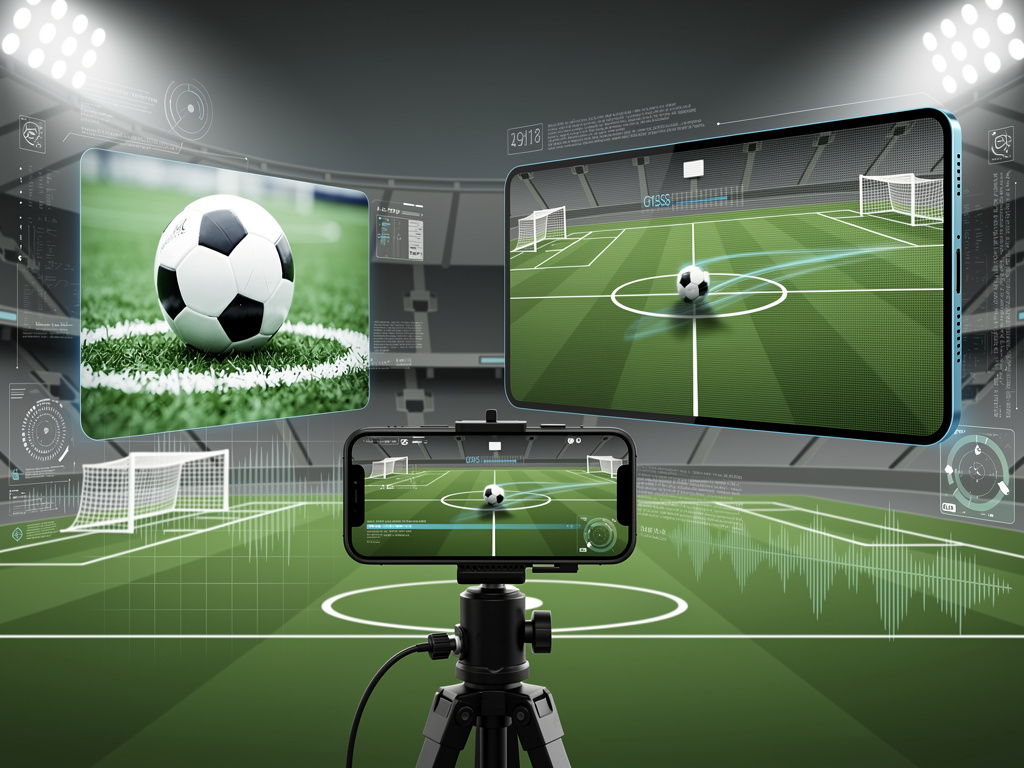
Apple made history this month with a Major League Soccer match broadcast entirely from iPhone 17 Pro devices. The LA Galaxy faced the Houston Dynamo FC at Dignity Health Sports Park. Fifteen units captured every angle. Viewers at home saw warmups on the pitch, player introductions, in-net goal views and stadium atmosphere. Yet the ambitious production delivered mixed results.
Close shots impressed. In-goal cameras and tunnel footage brought fans nearer the action than typical rigs allow. Low angles near the pitch created an immersive feel. Social media lit up with praise for these perspectives. The compact size let crews position phones inside goals and tight spots. Traditional broadcast gear simply couldn’t go there.
But wide gameplay shots told another story. AppleInsider reported that soft images, visible compression and constant refocusing plagued the main feed. Tracking turned shaky during fast breaks. Image processing grew heavier. Grass textures smeared into mud during pans. One Reddit viewer joked it felt “like being at the match also watching through an iPhone 17.” Complaints mounted once the phones took over primary coverage.
Apple had prepared the ground. Its newsroom announcement detailed the iPhone 17 Pro’s three 48-megapixel Fusion cameras. They deliver the equivalent of eight lenses. Apple Log 2 supported wider color in ProRes and HEVC. The Apple Newsroom release positioned the event as the first time a major professional live sporting event was captured entirely on iPhone. The May 23 match, streamed on Apple TV, capped a progression that began with supplemental use in MLB’s Friday Night Baseball in 2025.
That earlier experiment earned recognition. The National Baseball Hall of Fame added one of the iPhones to its collection. MLS Cup 2025 followed with four iPhone 17 Pros in specific roles. A wired high-end-zone camera joined wireless setups on a DJI Ronin gimbal, a fan-focused supporter cam and a sideline coach reaction shot. Seth Bacon, MLS EVP of media, told Sports Video Group the league sought ways to innovate with partners. “We think we’ve found the ideal setup,” he said. The phones proved additive. Testing over months confirmed they worked.
The full-iPhone soccer broadcast pushed further. Variety noted Apple took an eat-your-own-dog-food approach to new extremes. Fifteen phones spread across the venue. Crews chased dynamic perspectives impossible with bulkier gear. The small form factor delivered. Yet physics and processing limits surfaced under pressure. Fast movement across an 84,000-square-foot pitch exposed gaps. Long zooms, shifting light and rapid player runs strained the system. Compression artifacts stood out on large screens. Refocusing hunted during transitions.
Reactions split along predictable lines. Tight shots earned applause for intimacy. Wide views drew technical critique. Some fans argued the broadcast looked fine for most of the match. Tighter angles appeared sharper. Others fixated on marketing claims. Was every frame truly from unmodified iPhones? Debate filled Reddit threads and X posts in the hours after kickoff.
The production built on real hardware strengths. Apple’s iPhone 17 Pro tech specs list a 48MP Fusion main camera with sensor-shift stabilization and 100% Focus Pixels. The ultra-wide offers 120-degree field of view. These specs support high-resolution stills and advanced video. Apple Log 2 preserves detail for grading. In controlled conditions the results rival dedicated cinema tools. Live sports, however, refuse control.
Producers mixed the feeds with skill. Close perspectives added energy. The experiment succeeded there. Wide shots, the backbone of soccer coverage, highlighted boundaries. Shaky tracking during counterattacks. Softer detail at distance. Visible artifacts when motion intensified. These issues reflect fundamental trade-offs in smartphone imaging. Smaller sensors gather less light. Computational photography compensates yet introduces its own artifacts under duress.
Industry observers see broader implications. Supplemental use makes sense. Phones slip into places cranes and dollies cannot reach. They capture fan reactions and sideline tension without intrusion. Full replacement remains distant. Traditional broadcast cameras still deliver cleaner long shots and more reliable autofocus across vast fields. The iPhone 17 Pro narrows the gap. It does not erase it.
Apple continues integration. Friday Night Baseball now folds iPhone footage into regular rotation. MLS broadcasts do the same. The soccer test marks a deliberate step. Gather data. Identify weaknesses. Improve. Future models may address refocusing speed and compression efficiency. Larger sensors or better stabilization could help. Software updates might refine tracking algorithms tuned for sports motion.
Viewers noticed the difference immediately. Grass that should pop looked processed. Players sprinting across frame triggered digital sharpening that bordered on unnatural. These flaws faded in tighter compositions where the phones excelled. The broadcast proved phones can contribute meaningfully to live sports. They cannot yet shoulder the full load without compromise.
MLS and Apple framed the event as innovation. They delivered on closer views and novel angles. The wider picture revealed persistent limits of current mobile camera technology. Fast-paced outdoor sports still test the boundaries of what fits in a pocket. The iPhone 17 Pro pushed those boundaries. It also mapped exactly where they remain.
And the conversation continues. Technologists study the footage for clues on next steps. Broadcasters weigh cost and flexibility against image consistency. Fans debate whether the trade-offs justify the intimacy. One match won’t settle the matter. It does establish a benchmark. Close-ups, yes. Wide shots under pressure, not quite there.


 WebProNews is an iEntry Publication