
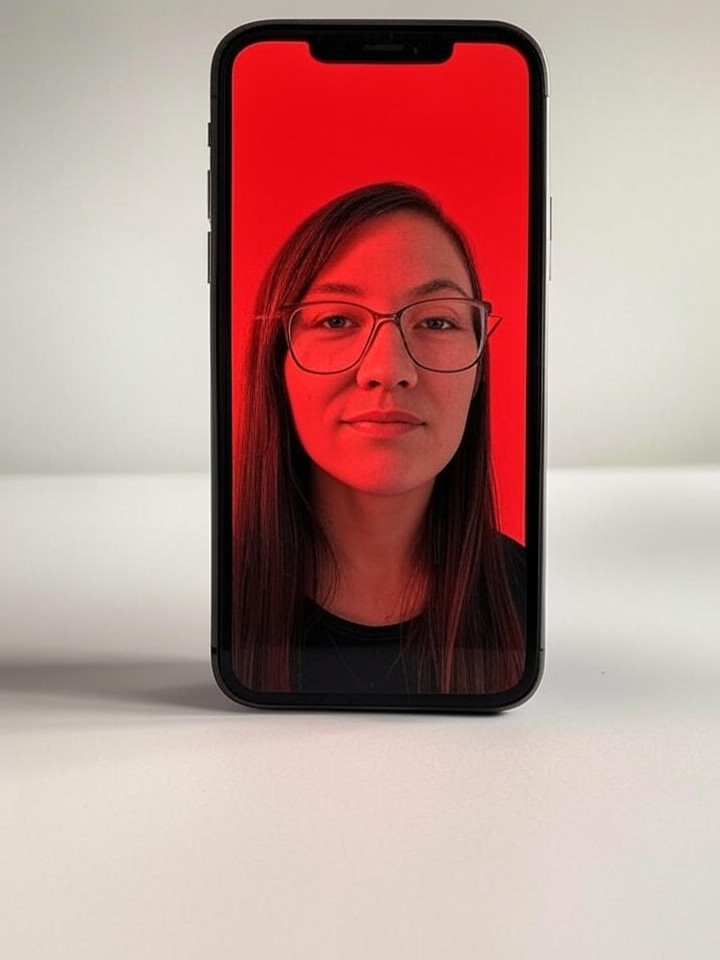
In the ever-evolving world of mobile technology, where cross-platform compatibility is both a promise and a perennial challenge, a peculiar glitch has emerged to underscore the fragile interplay between rival ecosystems. Users across the globe are reporting that photos shared from Android devices to iPhones are appearing with an inexplicable red tint, transforming ordinary images into surreal, crimson-hued anomalies. This issue, tied to the latest iOS 26 update, has sparked widespread frustration and a flurry of online discussions, highlighting deeper questions about software integration in an industry dominated by giants like Apple and Google.
At the heart of the problem lies a rendering error within Apple’s Photos app, where images captured on Android smartphones—ranging from Samsung’s Galaxy series to Motorola’s foldables—display a dominant red overlay when viewed on iPhones running iOS 26. Initial reports surfaced in mid-December 2025, with users describing how zooming into affected photos exacerbates the tint, sometimes shifting colors to black and white during editing attempts. Unlike hardware defects, this appears to be a software anomaly, as the original files remain intact on Android devices, and the glitch doesn’t cause permanent damage.
The timing couldn’t be more ironic, coming amid heightened competition in smartphone imaging. Apple has touted iOS 26’s advanced photo processing capabilities, including AI-enhanced editing tools, yet this bug exposes vulnerabilities in how the system handles metadata and color profiles from non-Apple sources. Industry analysts suggest it may stem from incompatibilities in HEIC and JPEG formatting, or perhaps a miscalibration in color space conversion, where Android’s sRGB profiles clash with Apple’s proprietary rendering engine.
Unraveling the Technical Roots
Delving deeper, experts point to potential issues with Google’s Skia graphics library, which underpins much of Android’s image processing. Posts on social platforms like X have drawn parallels to historical glitches, such as the Galaxy S8’s red tint display problem in 2017, where Samsung issued a software fix shortly after launch. While not identical, these echoes suggest recurring challenges in color calibration across OLED screens and software stacks.
According to a report from Digit, the bug manifests primarily when photos are shared via messaging apps or cloud services, affecting a broad swath of users without regard to specific Android models. One user recounted attempting to crop a family photo only to see it devolve into a monochromatic mess, prompting immediate backlash on forums. Apple has yet to officially acknowledge the issue, but internal sources indicate engineers are investigating, with a patch possibly slated for iOS 26.3.
Comparisons to past incidents abound. In 2020, Samsung users encountered similar color deviations linked to Skia, as noted in community discussions. This new glitch, however, seems exacerbated by iOS 26’s emphasis on real-time image enhancements, which may inadvertently apply aggressive filters to incoming files. For industry insiders, this raises alarms about the reliability of cross-platform standards like RCS messaging, which Apple adopted under regulatory pressure but has implemented unevenly.
User Impact and Workarounds
The practical fallout is significant, particularly for mixed-device households where Android and iOS coexist. Professionals relying on quick photo sharing—photographers, journalists, and social media managers—find themselves hampered, forced to resort to third-party apps or manual transfers to bypass the tint. One temporary fix circulating online involves exporting images in alternative formats before sharing, though this adds cumbersome steps to what should be seamless interactions.
Social sentiment, gleaned from recent posts on X, reflects a mix of bewilderment and humor, with users joking about “red-faced” Android owners while others demand swift resolutions. A thread from early January 2026 highlighted how the glitch affects even high-end devices like the iPhone 17, where zooming triggers not just red overlays but erratic color shifts, reminiscent of chromatic aberrations in older camera sensors.
Business implications loom large. As reported by BusinessToday, this could erode consumer trust in Apple’s ecosystem, especially as competitors like Samsung push foldable innovations and AI-driven cameras. Stock analysts have noted minor dips in Apple’s shares following viral complaints, underscoring how software bugs can ripple into market perceptions.
Industry-Wide Ramifications
Beyond immediate fixes, this glitch illuminates broader tensions in the smartphone arena. Apple’s walled-garden approach, while ensuring polished experiences within its ecosystem, often stumbles when interfacing with Android’s open framework. Insiders speculate that the root cause might involve mismatched HDR implementations, where iOS 26’s aggressive color grading overcompensates for perceived deficiencies in Android-sourced images.
A detailed analysis from SlashGear outlines steps for mitigation, such as force-quitting the Photos app or resetting display settings, but emphasizes these are band-aids. The article also references user experiments showing that photos taken in low-light conditions are particularly prone to the red tint, possibly due to noise reduction algorithms clashing across platforms.
Looking ahead, this incident could accelerate calls for standardized image protocols. Organizations like the International Telecommunication Union have long advocated for unified color management, yet adoption lags. For developers, it serves as a case study in interoperability testing, prompting questions about why beta versions of iOS 26 didn’t catch this during rollout.
Echoes from Past Glitches
Historical precedents offer valuable lessons. The 2022 Pixel camera debates, where users debated red tints in processing, mirror current frustrations, as do earlier Redmi Note issues with green/red deviations at low brightness. These patterns suggest that as screens advance—with quantum-dot displays and higher refresh rates—software must evolve in tandem to prevent such artifacts.
In a report by Benzatine, users shared anecdotes of the glitch persisting post-update to iOS 26.2, affecting not only Android imports but occasionally native iPhone shots when synced across devices. This cross-contamination hints at a deeper system-level flaw, perhaps in iCloud’s image optimization routines.
Industry veterans argue that Apple’s reluctance to collaborate openly with Android manufacturers exacerbates these issues. Unlike Google’s more collaborative Android updates, Apple’s secretive development cycle can lead to oversights in real-world scenarios, where billions of mixed-device interactions occur daily.
Pathways to Resolution
As investigations continue, potential solutions emerge from community ingenuity. Some users report success by converting files to PNG before sharing, bypassing compression artifacts that may trigger the tint. Others advocate for disabling auto-enhance features in Photos, restoring images to their original state albeit with manual effort.
From Android Authority, insights reveal that the bug is more prevalent in shared albums, where metadata stripping during transfer could be the culprit. This aligns with expert opinions on X, where developers speculate about floating-point errors in color matrix transformations.
For enterprises, the glitch poses risks in collaborative workflows. Marketing teams using mixed devices for asset sharing find campaigns delayed, while remote workers grapple with distorted visuals in virtual meetings. Analysts predict that if unresolved, it could fuel antitrust scrutiny, building on ongoing probes into Apple’s app ecosystem dominance.
Evolving Ecosystem Dynamics
The red photo phenomenon also spotlights the role of AI in modern imaging. With iOS 26 introducing smarter retouching, the glitch may stem from overzealous algorithms misinterpreting Android data as needing “correction.” This echoes concerns in a 9to5Mac piece, which details how certain camera apps on Android exacerbate the issue through proprietary filters.
Broader trends indicate a shift toward more robust cross-platform tools. Google’s recent pushes for seamless integration, including enhanced RCS support, aim to mitigate such divides, yet Apple’s partial embrace leaves gaps. Insiders whisper of upcoming iOS updates incorporating better Android compatibility, potentially drawing from open-source libraries to bridge the chasm.
Ultimately, this glitch serves as a microcosm of the industry’s maturation. As smartphones become indispensable for everything from personal memories to professional outputs, ensuring flawless interoperability isn’t just a technical imperative—it’s a competitive necessity. With users increasingly vocal on platforms like X, demanding accountability, companies must prioritize resilience in their software architectures to avoid turning vibrant ecosystems into monochromatic mishaps.
Innovation Amidst Imperfection
Peering into the future, 2026 promises advancements that could render such bugs obsolete. Rumors of crease-free foldables and one-inch sensors suggest hardware leaps, but software harmony remains key. Publications like PhoneArena have called for “off” switches on AI retouching to give users control, preventing unintended alterations.
Meanwhile, community-driven fixes continue to proliferate. X posts from January 2026 describe workarounds involving third-party viewers like Google Photos on iOS, which sidestep Apple’s native app entirely. This grassroots innovation underscores the power of user bases in pressuring tech behemoths.
In the grand scheme, the red tint glitch, while baffling, accelerates progress. It compels Apple to refine its integration strategies, potentially leading to more open standards that benefit the entire sector. For industry watchers, it’s a reminder that in the pursuit of perfection, even the mightiest platforms can stumble, but it’s the response that defines enduring success.


 WebProNews is an iEntry Publication