
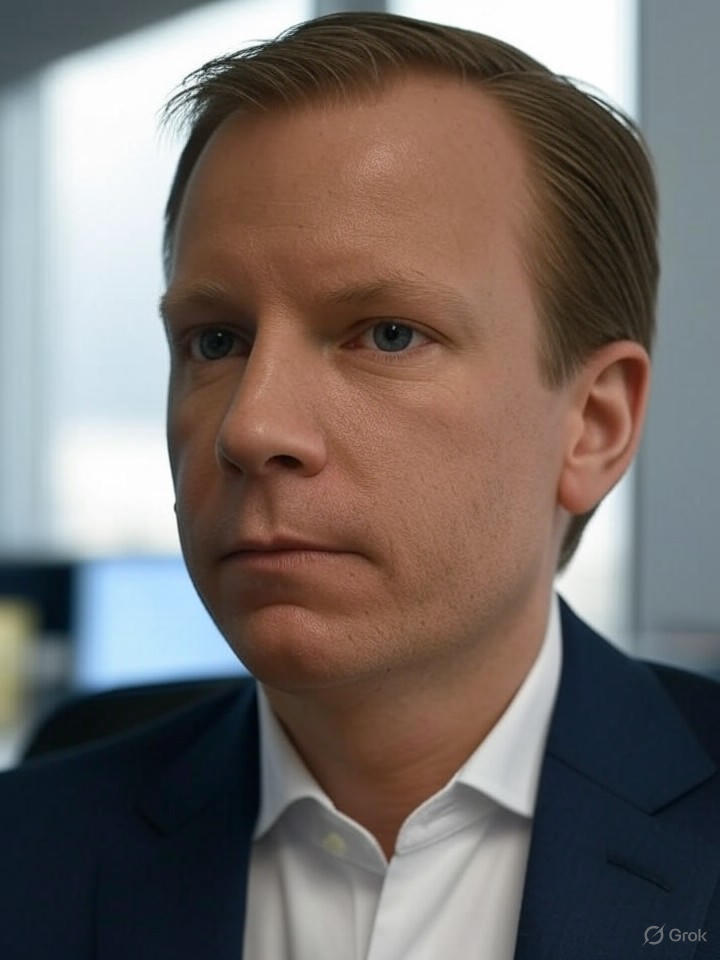
In a blow to the open-source community and Intel’s Linux engineering efforts, the chip giant has lost Mika Westerberg, a key maintainer of its USB4 and Thunderbolt drivers for the Linux kernel. This departure, reported by Phoronix, underscores a troubling pattern of talent attrition at Intel amid broader corporate restructuring. Westerberg, who had been instrumental in advancing USB4 support since its integration into the Linux ecosystem, leaves behind a legacy of code contributions that have helped bridge the gap between proprietary Thunderbolt technology and open-source standards.
Westerberg’s work was pivotal in maturing USB4 capabilities, which build directly on Intel’s Thunderbolt protocol. As early as Linux 5.6, initial USB4 support was introduced by leveraging existing Thunderbolt drivers, a move that allowed for seamless data transfer speeds up to 40Gbps and enhanced device connectivity. His maintenance ensured that subsequent kernel updates, such as those in Linux 5.10, continued to refine these features, addressing compatibility issues and optimizing performance for a wide array of hardware.
Broader Implications for Linux Development
The loss comes at a time when Intel is facing significant staffing reductions across its divisions, with Phoronix noting this as part of a series of high-profile exits in 2024. Beyond kernel work, Westerberg’s contributions extended to user-space tools like thunderbolt-utils, released in 2023 to manage USB4 and Thunderbolt devices on Linux systems. This utility set provided essential diagnostics and configuration options, filling a void for enterprise users relying on Linux for high-speed peripherals.
Industry insiders view this as more than an isolated event; it reflects Intel’s challenges in retaining top Linux talent amid competitive pressures from rivals like AMD, which has been ramping up its own USB4 optimizations for Linux, as detailed in patches for Linux 5.19 and beyond. AMD’s focus on DisplayPort tunneling over USB4, enabling simultaneous USB, PCIe, and display protocols, highlights the shifting dynamics in connectivity standards.
Evolving Standards and Kernel Advances
Recent kernel merges, including those for Linux 6.15, have introduced drivers like PS883X for USB4 retimers, ensuring robust support for next-generation hardware. Phoronix coverage of these updates emphasizes how such enhancements build on Westerberg’s foundational efforts, from Linux 5.11’s Thunderbolt improvements to Linux 5.12’s expanded USB4 work. These developments are crucial for sectors like data centers and professional workstations, where reliable high-bandwidth connections are non-negotiable.
Moreover, the convergence of USB4 and Thunderbolt has democratized access to advanced features once exclusive to Intel ecosystems. With Thunderbolt 4 introducing upgrades over USB4, such as better video management and power delivery, the open-source community’s role in maintaining compatibility cannot be overstated. Westerberg’s exit raises questions about who will steward these drivers moving forward, potentially slowing bug fixes and feature integrations.
Intel’s Strategic Challenges Ahead
Intel’s broader engineering losses this year, as chronicled in various Phoronix forums discussions, include departures in graphics and networking teams, compounding the impact on Linux support. For insiders, this signals a need for Intel to bolster its open-source commitments, perhaps through increased collaboration with the Linux Foundation or targeted hiring.
Looking ahead, the USB Implementers Forum’s ongoing refinements to USB4 specifications, which promise up to 80Gbps speeds in future iterations, will demand sustained maintainer expertise. Without figures like Westerberg, Intel risks ceding ground in the open-source arena, where community-driven innovation drives adoption. As one forum contributor on Phoronix aptly put it, these losses are “unfortunate” but could spur a reevaluation of how tech giants engage with collaborative ecosystems.
Potential Paths Forward for Open-Source Connectivity
In response, the Linux kernel community may see increased involvement from other vendors. For instance, updates in Linux 6.14 included a Thunderbolt 3 AltMode driver, further solidifying multi-protocol support. Phoronix reports on these changes highlight the resilience of the open-source model, where distributed contributions can mitigate single-point failures.
Ultimately, Westerberg’s departure serves as a reminder of the human element in technology advancement. As Intel navigates its internal upheavals, the onus falls on remaining engineers and the broader community to preserve the momentum in USB4 and Thunderbolt integration, ensuring Linux remains a viable platform for cutting-edge hardware.


 WebProNews is an iEntry Publication