
Reviving the Classics: How Instagram Ignited a Worldwide Surge in Affordable Vintage Car Replicas
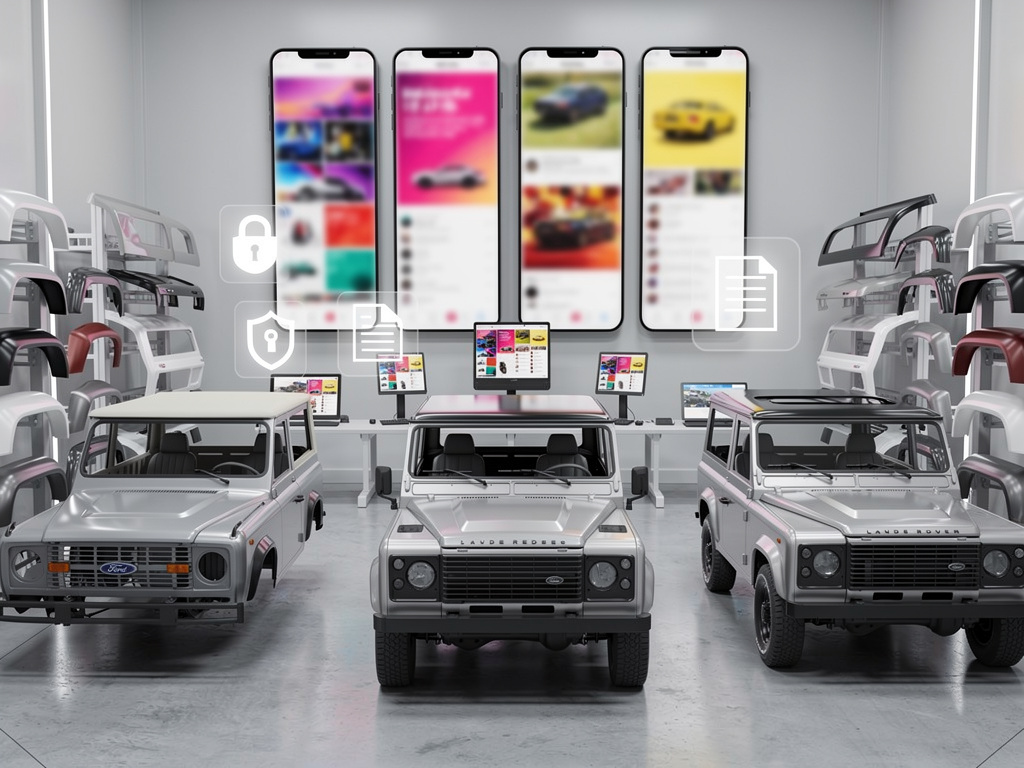
In an era dominated by sleek electric vehicles and aerodynamic designs, a surprising trend has emerged from the digital corners of social media, breathing new life into the automotive restoration world. Asian manufacturers are churning out replica body shells of iconic vintage cars like Ford Broncos, Land Rover Defenders, and Porsche 911s, often at a fraction of the cost of authentic restorations. This boom, largely propelled by visually captivating posts on Instagram, has captivated enthusiasts and entrepreneurs alike, transforming what was once a niche hobby into a burgeoning global market. According to a recent feature in Wired, these copycat shells are not just imitations but often superior in quality, made with modern materials that resist rust and incorporate updated engineering.
The allure begins with the platform’s algorithm, which favors eye-catching visuals of gleaming metal frames and time-lapse assembly videos. Small factories in countries like the Philippines, Vietnam, and China have mastered the art of reverse-engineering classic designs, producing body shells that can be shipped worldwide and assembled with contemporary drivetrains. Enthusiasts who once scoured junkyards for rusted relics now turn to online marketplaces, drawn by promises of affordability and customization. One such company, highlighted in the Wired piece, offers a Defender body for around $10,000, compared to the $50,000-plus price tag for an original in decent condition.
This shift isn’t merely about cost savings; it’s a response to dwindling supplies of genuine vintage vehicles. As demand for classics soars—fueled by celebrity endorsements and media portrayals—original parts become scarcer, driving prices skyward. Instagram influencers, with their polished feeds showcasing restored gems, amplify this desire, creating a feedback loop where more users seek out these replicas to join the trend. Posts from accounts dedicated to car builds rack up millions of views, turning obscure manufacturers into overnight sensations.
The Digital Catalyst Behind Manufacturing Shifts
Beyond the surface glamour, the economic dynamics reveal a sophisticated supply chain. Factories in Asia leverage lower labor costs and advanced fabrication techniques, such as laser cutting and CNC machining, to produce shells that mimic originals down to the rivet. These aren’t crude knockoffs; many incorporate improvements like galvanized steel for corrosion resistance, addressing common pitfalls of aging classics. As reported in a DNYUZ article echoing the Wired insights, the trend is reshaping how restorers approach projects, blending nostalgia with modern reliability.
Influencers play a pivotal role, often partnering with these manufacturers for sponsored content. A quick scan of recent posts on X (formerly Twitter) shows users buzzing about the accessibility of these shells, with one entrepreneur noting how shipping costs remain manageable despite the bulk, allowing for profitable resale. For instance, a post from a business-minded user highlighted palletizing and nationwide delivery for under $600, making it feasible to import and flip these items. This democratizes access, enabling hobbyists without deep pockets to own a piece of automotive history.
However, this surge raises questions about authenticity and intellectual property. Original manufacturers like Land Rover have expressed concerns over unlicensed replicas, though enforcement across borders remains challenging. In the U.S., companies like Dynacorn, as mentioned on their site Moonlight Drive Classics, produce licensed reproductions, but they often come at a premium. The Asian alternatives undercut these prices, sparking debates in industry circles about fair competition and the dilution of brand heritage.
Market Expansion and Consumer Appeal
The market’s growth is evident in sales figures and online engagement. Vintage car influencers on Instagram, listed in compilations like those from Feedspot, boast followings in the hundreds of thousands, showcasing builds that feature these copycat shells. Their content drives traffic to manufacturers’ pages, where live streams of production processes garner real-time orders. Recent news from Hagerty Media illustrates a parallel trend in the U.S., where social media savvy has turned even car-crushing operations into viral sensations, underscoring the power of digital platforms in the automotive sector.
Consumers are drawn not just to the aesthetics but to the practicality. Electric conversions are increasingly popular, pairing replica bodies with battery-powered systems for eco-friendly classics. This hybrid approach appeals to a younger demographic wary of fossil fuels yet enamored with retro styling. X posts reflect this sentiment, with users praising the nostalgic appeal and predicting a sales boom for anything evoking 80s designs, as one account enthused about retro aesthetics selling like hotcakes.
Yet, challenges persist. Quality control varies among suppliers, and buyers must navigate potential pitfalls like customs duties and assembly complexities. Industry insiders advise thorough vetting, often recommending community forums and influencer reviews to avoid subpar products. The Wired report details instances where U.S. restorers have imported shells only to discover minor fitment issues, requiring additional modifications.
Innovations in Production and Global Trade
Delving deeper into production, these Asian firms employ a mix of traditional craftsmanship and cutting-edge technology. Reverse engineering involves scanning original vehicles with 3D lasers, creating digital blueprints that ensure precision. This method allows for rapid prototyping and scalability, meeting the spike in demand fueled by social media. A post on X from a design enthusiast noted how such trends can spark mini-movements, with styles being copied and iterated upon, much like the viral spread of these car shell designs.
Trade implications are significant. The affordability has opened doors for small businesses in the U.S. and Europe to offer turnkey restorations, importing shells and adding custom touches. According to insights from Socially Powerful, top car influencers are key in promoting these, influencing purchase decisions and expanding the market reach. This global flow benefits economies in manufacturing hubs, creating jobs and fostering innovation in automotive fabrication.
Critics, however, point to environmental concerns. While replicas reduce the need to salvage rare originals, the production process involves energy-intensive manufacturing. Balancing this with sustainable practices, such as using recycled materials, is becoming a focus for forward-thinking companies. Recent X discussions highlight a growing awareness, with users debating the long-term impact of mass-producing these items.
Regulatory Hurdles and Future Prospects
Navigating regulations adds another layer of complexity. In the U.S., imported replicas must comply with safety standards, often requiring modifications to meet emissions or crash-test requirements. The Wired article touches on how some builders integrate modern chassis for compliance, blending old looks with new safety features. This has led to a niche for specialized shops that handle the legal intricacies, further fueling the ecosystem.
Looking ahead, the influence of platforms like Instagram shows no signs of waning. With augmented reality filters allowing virtual try-ons of car designs, the barrier to entry lowers even further. Influencer lists from sources like IZEA Worldwide reveal a diverse array of creators pushing boundaries, from showcasing electric conversions to extreme customizations. This digital momentum suggests sustained growth, potentially expanding to more models like classic Mustangs or European sports cars.
Industry experts predict that as electric vehicle adoption accelerates, these replicas will serve as a bridge, preserving cultural icons in a sustainable form. X users echo this optimism, with one noting how nostalgia drives demand for any retro make or model, positioning manufacturers to capitalize if they commit to quality. Yet, the key to longevity lies in addressing IP issues and ensuring ethical production standards.
Economic Ripples and Community Dynamics
The economic ripple effects are profound. Small-scale restorers report increased business, as affordable shells allow them to take on more projects. In regions like Southeast Asia, this has spurred entrepreneurial ventures, with factories scaling up to meet international orders. A Wired-sourced example illustrates a Philippine outfit shipping dozens of units monthly, each customized via Instagram direct messages.
Community dynamics have evolved too. Online forums and social groups dedicated to these builds foster knowledge sharing, from wiring diagrams to paint codes. This collaborative spirit counters the isolation of traditional restoration, making the hobby more inclusive. However, as one X post cautioned, market saturation could lead to quality dips if demand outpaces skilled labor.
Ultimately, this phenomenon underscores social media’s role in democratizing industries once gatekept by wealth and expertise. By connecting global suppliers with eager buyers, Instagram has not only revived interest in vintage cars but redefined how they’re acquired and enjoyed. As the trend matures, it promises to blend heritage with innovation, ensuring classics endure in an ever-changing automotive world.
Voices from the Ground and Emerging Trends
Ground-level voices amplify the narrative. Restorers interviewed in various reports praise the precision of these shells, often surpassing originals in durability. One U.S. builder, as per Hagerty insights, noted how social media exposure has transformed their operations, drawing clients from afar. This visibility extends to events like car shows, where replica-based builds compete alongside authentics, blurring lines of purism.
Emerging trends point to personalization at scale. Manufacturers now offer modular designs, allowing mix-and-match elements for unique creations. X chatter reveals excitement over this, with users sharing ideas for hybrid models that fuse different eras. Such innovation keeps the market vibrant, attracting tech-savvy millennials who view cars as canvases for self-expression.
In closing, the Instagram-driven boom in copycat vintage car body shells represents a pivotal shift, merging digital influence with tangible craftsmanship. As factories refine their offerings and regulations adapt, this surge could redefine automotive restoration for generations, proving that in the age of social media, nostalgia is just a scroll away.


 WebProNews is an iEntry Publication