
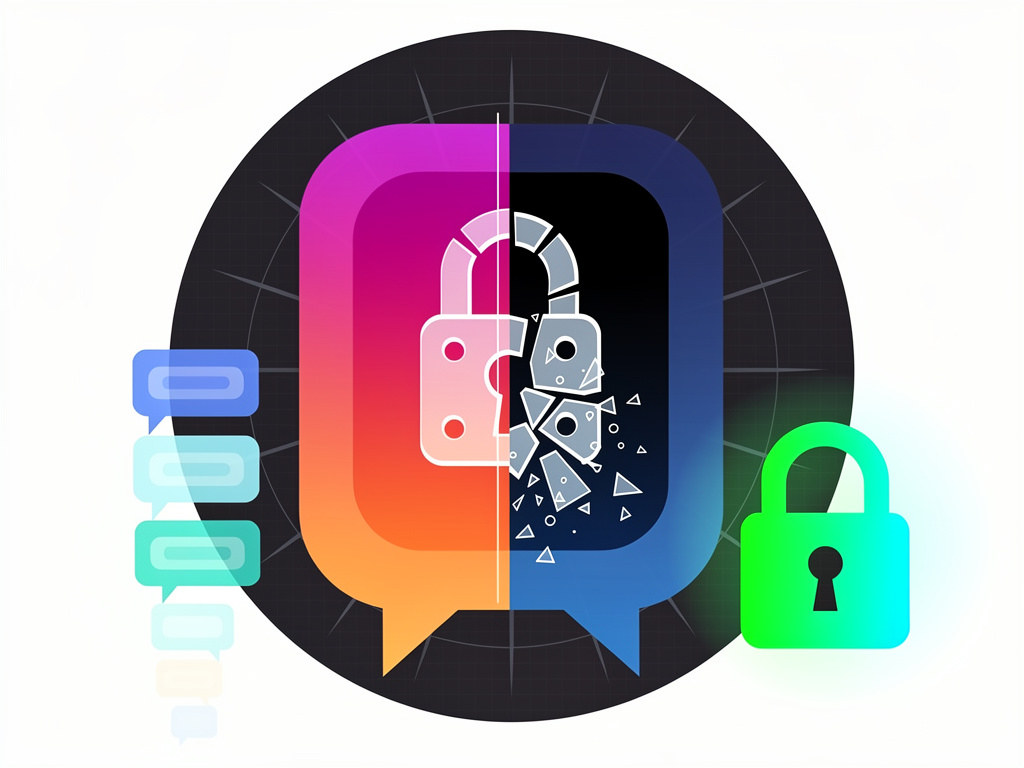
Instagram began phasing out end-to-end encrypted direct messages today. The change, effective May 8, 2026, reverses a privacy feature the company introduced in late 2023. Users who opted into the setting now face a stark new reality. Their conversations, once hidden even from Meta, stand open to the platform’s systems.
Meta’s official help page delivers the news without fanfare. “End-to-end encrypted messaging on Instagram is no longer supported as of May 8, 2026,” it states. Affected users receive prompts to download media and messages they wish to preserve. Those on outdated app versions must update first. The instructions feel abrupt. They leave many wondering what prompted this retreat. (Instagram Help Center)
Company spokespeople point to low adoption. “Very few people were opting in to end-to-end encrypted messaging in DMs, so we’re removing this option from Instagram in the coming months,” one told The Guardian. “Anyone who wants to keep messaging with end-to-end encryption can easily do that on WhatsApp.” The explanation lands as both simple and unsatisfying. The feature required manual activation. It was never default. Promotion remained minimal. Critics argue the low numbers reflect poor implementation more than lack of interest. (The Guardian)
This marks a clear shift from Meta’s earlier stance. In 2019 Mark Zuckerberg outlined ambitious plans to bring encryption across Messenger, Instagram and WhatsApp. The goal appeared straightforward then. Protect user conversations from everyone, including the company itself. Rollout began with Instagram’s optional mode in December 2023. Yet pressure mounted quickly. Law enforcement agencies and child safety organizations voiced strong objections. They warned that encryption would blind platforms to child sexual abuse material and other harms. Instagram’s young audience amplified those worries.
Online safety groups welcomed the reversal. Greater visibility into messages, they contend, allows faster detection of predators and harmful content. The Australian eSafety Commissioner’s office captured the tension. “Where end-to-end encryption is implemented without appropriate safety measures, it can increase safety risks and prevent the identification of harms such as child sexual exploitation, and terrorism and violent extremism,” a spokesperson said. Platforms bear responsibility to prevent harm regardless of encryption choices. (The Guardian)
Privacy advocates push back hard. They see the move as another example of commercial priorities trumping user protections. Without encryption Meta regains the technical ability to scan DMs. That data could inform advertising, train AI models or respond to law enforcement requests. The company insists it does not use private messages for AI training. Skepticism persists. Recent reports highlight how the change aligns with upcoming regulations like the U.S. Take It Down Act, set to take effect May 19, 2026. It demands swift removal of non-consensual intimate images. Scanning messages makes compliance far easier. (Notebookcheck)
Reactions flooded social media today. Users expressed frustration and confusion. “Instagram quietly removed end-to-end encrypted DMs,” one post noted. “That means Meta can technically access your messages again.” Another warned, “Assume everything is watched.” The timing, on the very day the feature dies, fueled fresh distrust. Many learned of the change through news alerts rather than direct notifications. (Mashable)
The decision carries practical consequences. Standard encryption on Instagram allows Meta and authorized third parties to access content when needed. Previously encrypted chats lose that shield. Users who enabled the feature must act fast to export histories. After today those conversations shift to the platform’s regular systems. Meta directs privacy-conscious individuals toward WhatsApp, where encryption remains default. The suggestion feels convenient for the company. It keeps users inside the Meta family while isolating stronger protections to a separate app.
Analysts point to broader tensions. Meta faces conflicting demands. Governments push for easier access to combat crime. Advertisers and product teams value data insights. Users expect privacy, especially in personal messages. The 2019 encryption promise once signaled a new direction. Years of criticism from agencies including the FBI, UK’s National Crime Agency and Australian police eroded that commitment. Business considerations likely played a role too. Segregating social discovery on Instagram from private chat on WhatsApp creates clearer product lines. It may also open doors for monetization features that rely on message context.
Tom Sulston, head of policy at Digital Rights Watch, offered a blunt assessment. The pivot toward separating social media from chat makes strategic sense for Meta. Yet he questioned the cost to users. “Why not improve the product, rather than continue to enshittify it?” Money, he suggested, factors heavily. Message content could sharpen ad targeting or power chatbots. Such possibilities alarm those who viewed encrypted DMs as a genuine safeguard. (The Guardian)
Recent coverage adds detail to the picture. Euronews reported the change occurs amid ongoing child safety concerns, noting Meta’s retreat from its “the future is private” rhetoric. Proton’s analysis highlighted how the quiet announcement in March caught many off guard. It questioned what happens to legacy encrypted data and whether Meta can access historical conversations. The company has not provided full clarity. Users report seeing download prompts, but uncertainty remains about long-term storage. (Euronews) (Proton Blog)
Industry observers draw comparisons to other platforms. Signal and WhatsApp continue to champion default encryption. They position themselves as alternatives for sensitive exchanges. Instagram, by contrast, now aligns more closely with traditional social networks where moderation takes precedence over absolute privacy. The shift may reduce certain risks. It could also expose everyday users to greater surveillance, whether by the company, hackers or government orders.
So what should Instagram users do now? Avoid sharing truly sensitive information in DMs. Bank details, intimate photos, confidential discussions. Move those to encrypted apps. Download any valued chat history immediately if the option appears. Update the app to ensure access. And recognize that the platform’s messaging has changed. What once carried an extra privacy layer no longer does. The promise of hidden conversations has given way to accessible ones.
Meta’s move reflects larger forces reshaping digital communication. Safety demands, regulatory pressure and business incentives collide. Low usage provided the public justification. Underlying dynamics run deeper. As platforms balance these competing interests, users lose one tool for control over their words. The conversations that once vanished between sender and receiver now leave traces Meta can follow. That change lands quietly on a Friday in May. Its effects will linger much longer.


 WebProNews is an iEntry Publication