
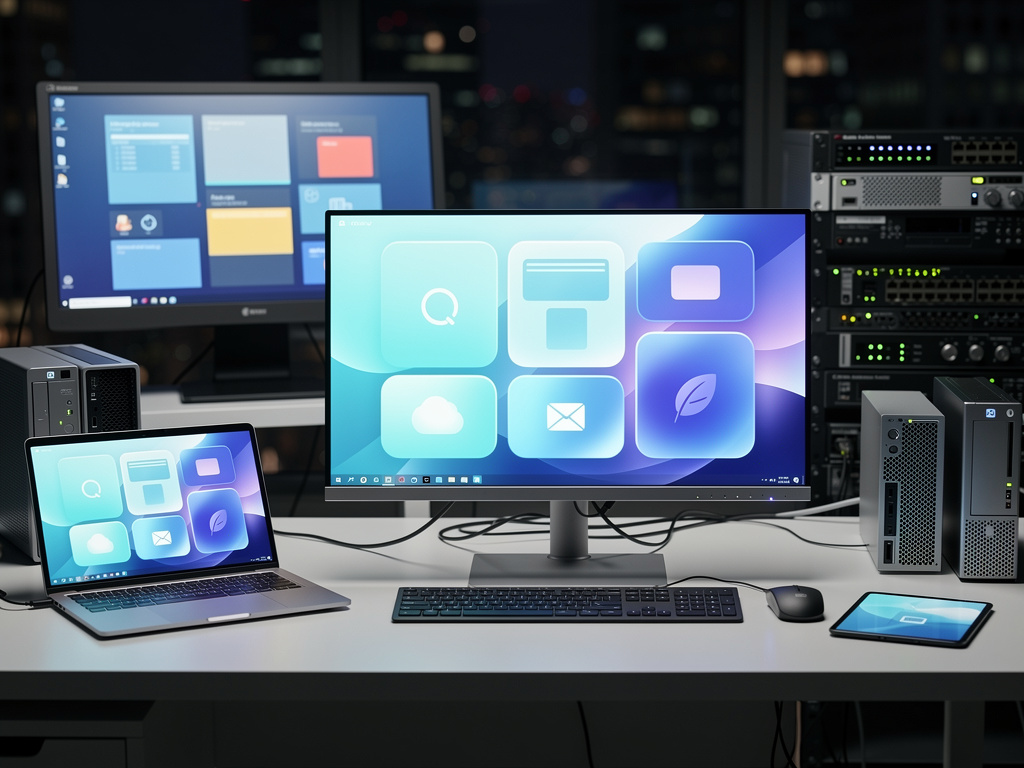
Microsoft’s recent announcement that Windows 11 has reached one billion users represents one of the technology industry’s most perplexing success stories. The operating system, which has been plagued by criticism over hardware requirements, controversial design choices, and sluggish adoption rates since its 2021 launch, somehow managed to achieve a milestone that seemed impossible just months ago. According to TechRadar, the company made this claim during a recent briefing, leaving industry observers scrambling to reconcile the numbers with the prevailing narrative of Windows 11 as a struggling platform.
The disconnect between perception and reality stems from how Microsoft calculates its user base and the mechanics of Windows distribution in the modern computing ecosystem. Unlike consumer-facing metrics that track active engagement or satisfaction, Microsoft’s billion-user figure represents the total number of devices running Windows 11, including corporate machines, educational institutions, and devices that may have been upgraded automatically or through manufacturer pre-installation. This methodology, while technically accurate, paints a different picture than the one emerging from user forums, technology review sites, and market share data that have consistently shown Windows 11 trailing its predecessor in terms of voluntary adoption and user enthusiasm.
The controversy surrounding Windows 11’s hardware requirements has been central to its troubled reputation. The operating system’s insistence on TPM 2.0 (Trusted Platform Module) chips, specific processor generations, and UEFI firmware with Secure Boot capability effectively rendered millions of otherwise functional computers incompatible. This decision, justified by Microsoft as necessary for enhanced security in an era of increasingly sophisticated cyber threats, created an artificial barrier that prevented enthusiastic users from upgrading while simultaneously forcing the hand of others through end-of-support deadlines for Windows 10.
The Mathematics Behind Microsoft’s Milestone
Breaking down the billion-user claim requires understanding the multiple pathways through which Windows 11 reaches end users. Original Equipment Manufacturers (OEMs) like Dell, HP, Lenovo, and others have been shipping Windows 11 as the default operating system on new PCs since late 2021. Given that global PC shipments, despite recent declines, still number in the hundreds of millions annually, the cumulative effect over nearly three years contributes substantially to the user count. Enterprise agreements represent another significant vector, as corporations with Microsoft licensing deals often deploy new operating systems across their entire infrastructure during scheduled refresh cycles, regardless of individual employee preferences.
The automatic upgrade mechanism built into Windows Update has also played a crucial role in inflating the numbers. Microsoft has progressively relaxed its initial cautious approach to Windows 11 deployment, eventually making the upgrade available to all compatible Windows 10 devices through the standard update channel. Many users, particularly those in non-technical roles or those who simply accept default system recommendations, have migrated to Windows 11 without actively choosing to do so. This passive adoption differs fundamentally from the enthusiastic embrace that characterized previous successful Windows releases like Windows 7 or the initial Windows 10 rollout.
Market Share Data Tells a Different Story
While Microsoft celebrates its billion-user milestone, third-party analytics paint a more nuanced picture of Windows 11’s actual market position. StatCounter, a widely respected web analytics service, has consistently shown Windows 11 commanding only about 30-35% of the Windows market share as of early 2024, with Windows 10 maintaining a dominant position despite being more than eight years old. This disparity suggests that while the absolute number of Windows 11 installations may be impressive, the operating system has failed to achieve the rapid displacement of its predecessor that Microsoft anticipated.
The persistence of Windows 10’s popularity reflects deeper issues with Windows 11’s value proposition. Users have cited the centered taskbar, the removal of features like tablet mode and live tiles, the more restrictive customization options, and performance concerns on older hardware as reasons for resistance. Technology forums and social media platforms continue to feature discussions about downgrading from Windows 11 to Windows 10, an unusual phenomenon for a major operating system release. The fact that Microsoft has been forced to backport some Windows 11 features to Windows 10 and extend support timelines indicates the company’s recognition that adoption has not proceeded according to plan.
Corporate Adoption Drives Hidden Growth
The enterprise sector provides the key to understanding how Windows 11 reached one billion users despite its lukewarm reception among consumer enthusiasts. Large organizations operate on multi-year technology refresh cycles, and many corporations that delayed Windows 10 adoption until it matured are now moving directly to Windows 11 as part of hardware replacement programs. These deployments often involve tens of thousands of devices per organization, and employees have little choice in the matter. IT departments prioritize security, manageability, and vendor support over user preference, making Windows 11’s enhanced security features attractive regardless of interface controversies.
Educational institutions represent another massive deployment channel that operates independently of user satisfaction metrics. Schools and universities purchasing new computer labs or providing devices to students receive Windows 11 by default, adding millions of users who may never have actively chosen the operating system. Government contracts and public sector deployments follow similar patterns, with procurement decisions based on long-term support commitments and security certifications rather than user experience considerations. These institutional adoption patterns create a user base that exists on paper but may not reflect genuine engagement or satisfaction.
The Paradox of Success Without Enthusiasm
Windows 11’s achievement of one billion users while simultaneously being perceived as unsuccessful represents a fundamental shift in how operating system adoption occurs in the modern computing environment. Unlike the Windows 95 or Windows XP eras, when users eagerly anticipated new releases and actively sought upgrades, contemporary operating systems increasingly reach users through passive channels: pre-installed on new hardware, deployed by corporate IT departments, or installed through automatic update mechanisms. This creates a disconnect between installation numbers and actual user satisfaction or engagement.
The situation also reflects Microsoft’s evolved business model, which no longer depends primarily on operating system license sales to generate revenue. With Windows 10 being offered as a free upgrade and Windows 11 following suit for compatible devices, Microsoft’s financial incentives have shifted toward driving users into its services ecosystem—Office 365, OneDrive, Microsoft 365, Azure, and other cloud-based offerings. From this perspective, the specific operating system version matters less than ensuring users remain within the Microsoft platform, making the billion-user milestone more of a strategic checkpoint than a measure of product excellence.
Performance and Compatibility Concerns Persist
Despite reaching the billion-user threshold, Windows 11 continues to face criticism regarding performance and compatibility issues that affect daily usability. Users report that the operating system consumes more system resources than Windows 10, leading to slower performance on machines that meet the minimum requirements but lack the specifications for optimal operation. Gaming communities have particularly vocal about inconsistent performance, with some titles running better on Windows 10 despite Microsoft’s claims of gaming-focused optimizations in Windows 11. Driver compatibility problems, while improving over time, have also contributed to user frustration, particularly with older peripherals and specialized professional equipment.
The controversy over hardware requirements extends beyond mere compatibility to questions of electronic waste and environmental impact. By declaring millions of functional computers incompatible with Windows 11, Microsoft effectively shortened the useful lifespan of devices that could otherwise continue serving users adequately. While the company has introduced workarounds and relaxed some restrictions, the fundamental requirement for TPM 2.0 and newer processors remains, creating a forced obsolescence cycle that critics argue serves manufacturer interests more than user needs or environmental sustainability.
The Windows 10 End-of-Life Dilemma
Microsoft’s scheduled end of support for Windows 10 in October 2025 looms as a critical inflection point that will truly test Windows 11’s viability. With Windows 10 still commanding the majority of the Windows user base and millions of devices unable to upgrade due to hardware restrictions, the industry faces an unprecedented situation. Microsoft has offered Extended Security Updates as a paid option for consumers, an unusual move that acknowledges the scale of the problem. Organizations and individuals must decide whether to purchase new hardware, accept the security risks of running unsupported software, or explore alternative operating systems including Linux distributions.
This approaching deadline may paradoxically validate Microsoft’s billion-user claim while simultaneously exposing Windows 11’s weaknesses. As users face forced migration due to security concerns rather than genuine desire to upgrade, the installation numbers will certainly increase. However, this growth through necessity rather than preference may further entrench negative perceptions and create opportunities for competitors. Apple’s Mac platform and Chrome OS have already benefited from users seeking alternatives to the Windows upgrade treadmill, and the Windows 10 end-of-life deadline may accelerate this trend among consumers and small businesses with more flexibility than large enterprises.
Measuring Success in the Modern Operating System Market
The Windows 11 billion-user milestone forces a reconsideration of how success should be measured for operating systems in the current technology environment. Traditional metrics like installation numbers, while still relevant, tell an incomplete story when passive adoption mechanisms dominate and users have limited agency in their operating system choices. Alternative measures—user satisfaction scores, voluntary adoption rates, feature utilization data, and ecosystem engagement metrics—might provide better insight into whether an operating system truly succeeds in meeting user needs versus simply achieving distribution through market dominance and institutional inertia.
Microsoft’s achievement also highlights the enduring power of platform incumbency in the technology sector. Despite widespread criticism, compatibility concerns, and the availability of alternatives, Windows maintains its dominant position through network effects, software compatibility, enterprise inertia, and OEM relationships that create self-reinforcing advantages. Windows 11’s billion users represent not just Microsoft’s success but also the structural realities of the personal computing market, where switching costs and ecosystem lock-in make displacement extraordinarily difficult regardless of product quality or user satisfaction. As the industry moves forward, the question remains whether reaching one billion users truly matters if those users arrived reluctantly and remain unconvinced of the platform’s value.


 WebProNews is an iEntry Publication