
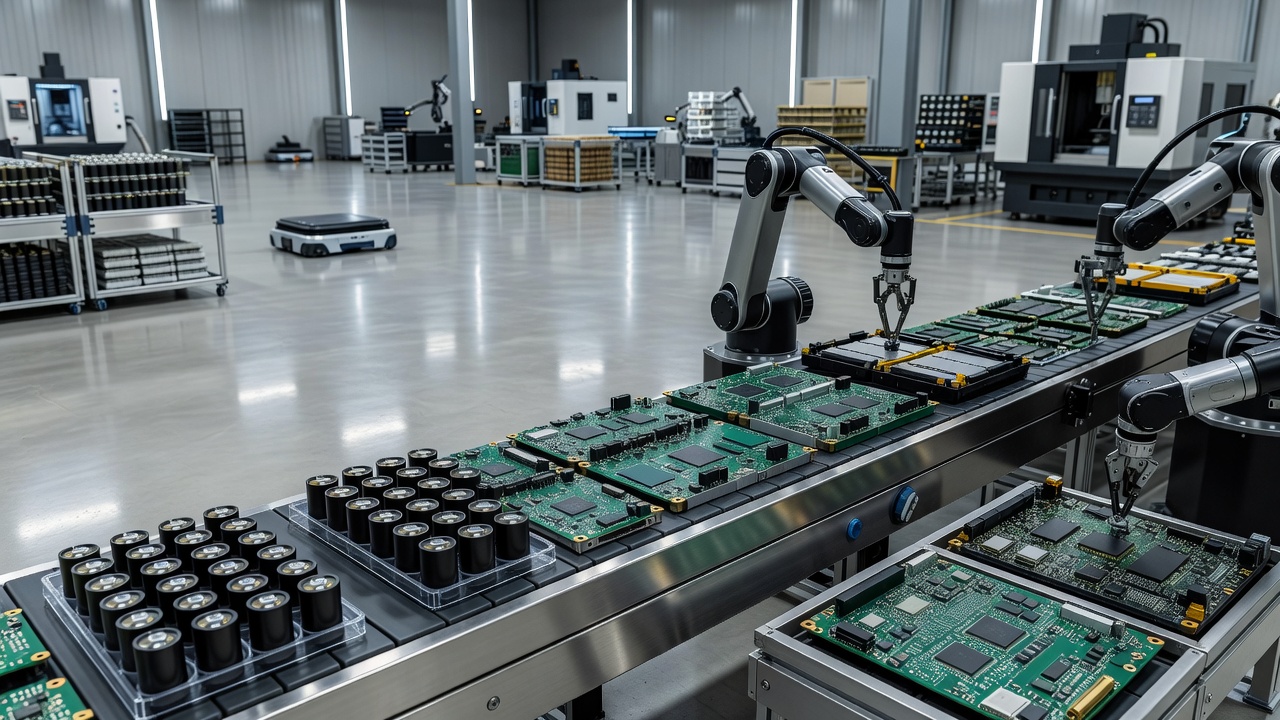
India has eliminated import duties on several key components used in the manufacturing of electronics and batteries, a decision announced as part of broader efforts to strengthen local production capabilities and attract foreign investment. The move, reported by The Next Web, removes tariffs on items such as battery cells, printed circuit boards, and certain electronic inputs that previously carried duties ranging from 5 to 15 percent. Officials expect this policy adjustment to lower production costs for companies assembling devices and energy storage systems within the country.
The decision forms part of the latest update to India’s import tariff structure, which the government reviews annually during the budget process. By removing these specific duties, authorities aim to address complaints from manufacturers who argued that high tariffs on raw materials made it difficult to compete with fully imported products. Companies like Foxconn, Pegatron, and Samsung have expanded their Indian operations in recent years, but many still rely on imported parts that add to overall expenses. With duties now lifted, these firms can potentially reduce their bill of materials and pass some savings to consumers or reinvest in local capacity.
Battery manufacturing stands to benefit substantially from the change. India has set ambitious targets for electric vehicle adoption and renewable energy storage, yet the domestic supply chain for lithium-ion cells remains underdeveloped. Most battery packs assembled in India currently use imported cells from suppliers in China, South Korea, and Japan. The removal of import duties on battery cells should help companies scale up module and pack assembly lines while they work toward building full cell manufacturing facilities. Several large projects, including those backed by Reliance Industries and Tata Group, are already under construction, but these facilities will take years to reach full production. In the meantime, duty-free cell imports provide breathing room for growth.
Electronics manufacturers that produce smartphones, laptops, tablets, and consumer appliances will also see direct advantages. Printed circuit boards, connectors, and various electronic components previously attracted basic customs duties that inflated costs. The new policy aligns with the Production Linked Incentive scheme, which offers cash rebates to companies that meet specific local value addition targets. Lower input costs make it easier for manufacturers to achieve those thresholds and qualify for government incentives. Apple, for instance, has steadily increased the share of iPhones made in India and now assembles a significant portion of its global Pro models in the country. Reduced component costs could accelerate similar shifts for other brands.
The timing of this announcement reflects growing geopolitical concerns around supply chain security. Many countries have sought to reduce dependence on single-source suppliers following disruptions during the pandemic and rising trade tensions. India has positioned itself as an alternative manufacturing base, but high input costs have sometimes undermined that pitch. By aligning its tariff policy with the needs of global supply chains, the government hopes to capture a larger share of the electronics and battery value chain that is shifting away from China.
Industry groups have welcomed the decision. The India Cellular and Electronics Association described the move as a practical step that addresses long-standing demands from its members. Similarly, the Electric Vehicle Battery Manufacturers Association noted that lower duties on cells would support faster expansion of charging infrastructure and energy storage projects. Both associations had submitted detailed recommendations during pre-budget consultations, highlighting how duties on intermediate goods created an inverted duty structure that disadvantaged local assemblers compared with importers of finished goods.
Analysts project that the policy could reduce manufacturing costs by 3 to 7 percent depending on the product category. For high-volume items like smartphones, even small percentage savings translate into significant absolute figures when multiplied across millions of units. Battery pack costs, which remain a major barrier to electric vehicle adoption in price-sensitive markets, could also decline. Lower pack prices would improve the total cost of ownership for electric two-wheelers and entry-level cars, categories where India has seen rapid demand growth.
The government has paired the duty cuts with continued protection for certain finished products. Import duties on completed lithium-ion batteries and some consumer electronics remain in place, preserving an incentive for companies to manufacture rather than import. This balanced approach aims to avoid flooding the market with cheap finished goods while still encouraging investment in local factories. Officials have signaled that they will monitor the impact of the changes and make further adjustments if local manufacturing does not respond as expected.
Foreign investors have taken notice. Several battery technology companies from Europe and the United States have accelerated discussions about joint ventures in India, citing the improved cost structure as a positive factor. South Korean firms, which already operate substantial electronics plants in the country, are evaluating additional lines for battery module production. Japanese suppliers of electronic components have also expressed interest in expanding their Indian footprint to serve both local assembly plants and export markets.
Domestic companies stand to gain as well. Smaller electronics manufacturers that supply components to larger assemblers often operate on thin margins. Reduced costs on printed circuit boards and other inputs could improve their competitiveness and encourage them to invest in automation and quality upgrades. The policy may also stimulate growth in the aftermarket and repair sector, where access to affordable spare parts has sometimes been limited by high import costs.
Environmental considerations form another dimension of the policy. By making battery cells more affordable to import in the short term, India can accelerate the deployment of renewable energy storage systems and electric vehicles, both of which contribute to lower carbon emissions. At the same time, the government continues to push for domestic recycling capabilities to handle the eventual wave of end-of-life batteries. New regulations on battery waste management are being finalized, and officials hope that a stronger manufacturing base will create economic incentives for proper collection and material recovery.
Challenges remain despite the positive outlook. India still lacks a fully integrated supply chain for critical battery materials such as lithium, cobalt, and nickel. Most of these raw materials must be imported, and processing capacity within the country is limited. The duty removal on cells does not directly address upstream mineral security, though the government has launched separate initiatives to secure overseas mining assets and develop domestic processing facilities. Similarly, the electronics sector continues to depend on imported semiconductors, although recent investments in chip design and assembly may gradually reduce that reliance.
Education and workforce development represent additional hurdles. Battery and electronics manufacturing require specialized skills that are not yet widespread in the Indian labor market. Companies have partnered with technical institutes to create training programs, but scaling these efforts to match the pace of factory expansion will demand sustained investment. The government has allocated funds for skill development under various schemes, yet industry leaders emphasize that more targeted programs focused on battery chemistry and precision electronics are necessary.
Trade partners are watching the policy shift closely. China, which supplies a large share of the components now receiving duty relief, may see increased export volumes to India in the near term. However, the long-term goal of the Indian government is to build domestic alternatives, which could eventually reduce import dependence. Other countries in Southeast Asia that compete with India for electronics investment may feel pressure to review their own incentive packages and tariff structures to remain attractive.
The decision also carries implications for inflation and consumer prices. Lower production costs could help moderate price increases for electronics and electric vehicles at a time when many households remain sensitive to rising living expenses. Retail prices may not fall immediately, as companies often use initial cost savings to improve margins or fund marketing activities. Over time, though, competitive pressures tend to translate cost reductions into lower shelf prices, particularly in product categories with many competing brands.
Implementation details will matter greatly. Customs authorities must update their systems promptly to ensure that importers can actually benefit from the zero-duty rates without bureaucratic delays. Clear guidelines on eligible components and documentation requirements will help prevent disputes at ports. The finance ministry has indicated that notifications will be issued shortly to bring the changes into legal effect, and industry associations plan to conduct workshops to help smaller manufacturers understand the new procedures.
Looking forward, this tariff adjustment forms one element of a larger industrial strategy that includes infrastructure development, regulatory reform, and continued fiscal support through production incentives. The government has expressed commitment to reviewing tariffs regularly to ensure they support rather than hinder manufacturing growth. If the current changes deliver the expected increase in local production and investment, further liberalization of input tariffs could follow in future budgets.
The policy reflects a pragmatic recognition that building a complete manufacturing base takes time. While the ultimate objective is to produce as many components as possible within India, immediate needs of industry require access to global supply chains at competitive prices. By removing duties on these strategic inputs, India has taken a concrete step toward making its factories more cost-effective and attractive to both domestic and international companies. The coming months will reveal how quickly manufacturers adjust their sourcing strategies and whether the anticipated wave of additional investment materializes. For an economy seeking to expand its role in global value chains, such measured policy adjustments represent an essential part of the process.


 WebProNews is an iEntry Publication