
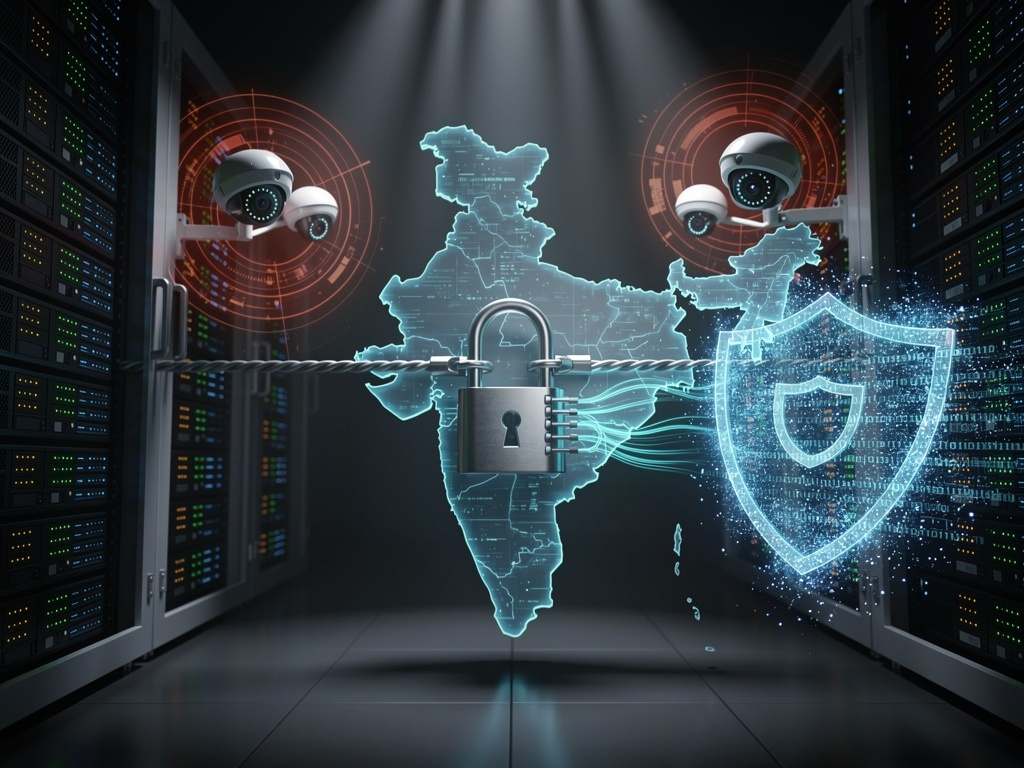
India’s Digital Shield: VPNs Caught in the Crossfire of Privacy and Control
In a move that underscores the Indian government’s escalating efforts to safeguard citizen data, the Ministry of Electronics and Information Technology (MeitY) has issued directives to virtual private network (VPN) providers, compelling them to block access to websites that illegally expose personal information. This order, emerging amid a broader push for data protection, highlights the tension between national security imperatives and the foundational principles of online privacy tools. VPNs, long heralded as bastions of anonymity and secure browsing, now find themselves at the heart of a regulatory storm that could redefine their role in one of the world’s largest digital markets.
The directive specifically targets sites like proxyearth.org and leakdata.org, which have been flagged for disseminating sensitive details such as names, mobile numbers, and addresses without consent. According to reports from TechRadar, this initiative is framed as a protective measure to shield Indian citizens from privacy breaches and identity theft. Yet, it raises profound questions for no-log VPN services, which pride themselves on not retaining user data, potentially clashing with their operational ethos. Industry experts argue that enforcing such blocks could force VPNs to monitor traffic in ways that undermine their core promise of untraceable connectivity.
This isn’t an isolated incident but part of a pattern of tightening controls. Recent advisories from MeitY, as detailed in coverage by The Hindu, warn that failure to comply could result in legal repercussions under India’s Information Technology Act. The ministry’s stance emphasizes proactive restriction, positioning VPNs and online platforms as gatekeepers against data leaks. For users in India, where internet penetration has surged to over a billion connections, this could mean altered access to global content and heightened scrutiny of digital habits.
The Regulatory Backdrop and Evolving VPN Policies
Delving deeper, India’s approach to VPNs has evolved significantly since 2022, when new rules mandated data logging for five years, including IP addresses and transaction details. Posts on X, formerly Twitter, from users like Mario Nawfal in early 2025 highlighted how major providers such as NordVPN and ExpressVPN responded by withdrawing physical servers from the country, opting instead for virtual alternatives in places like Singapore and the UK. This shift was a direct rebuttal to policies perceived as more draconian than those in China or Russia, as echoed in sentiments shared across social media platforms.
The latest order builds on this foundation, integrating with the Digital Personal Data Protection Act, which came into fuller force in 2025. As noted in a Reuters article from November 2025, these rules aim to minimize personal data collection by tech giants like Meta and Google, granting users greater control. However, for VPNs, the mandate to block specific sites introduces a new layer of complexity. Providers must now navigate obligations that could require them to implement filtering mechanisms, potentially at odds with their no-logs policies, as discussed in analyses from Cloudwards.
Moreover, localized enforcements add to the intricacy. In May 2025, authorities in Jammu and Kashmir’s Doda district imposed a two-month VPN ban under Section 163 of the BNSS law, leading to detentions for violations. This marked a precedent for regional restrictions, contrasting with national trends where VPN adoption has grown by 43% since 2022, with about 31% of internet users employing them for privacy or bypassing geo-blocks, per data from various web sources including ExpressVPN’s blog.
Industry Responses and Operational Challenges
VPN companies have voiced strong concerns over these developments. ExpressVPN, in its 2025 blog post, reiterated that while VPNs remain legal in India, the regulatory environment demands careful navigation. The company’s decision to relocate servers was framed as a commitment to user privacy, ensuring that Indian users could still connect securely without local data storage. Similarly, Surfshark’s global guide on VPN legality emphasizes that such tools are permitted in most countries, but India’s stipulations test the limits of compliance.
The potential for conflict is evident in how no-log services operate. By design, they avoid tracking user activities to prevent data handover to authorities. Yet, MeitY’s directive, as reported in Hindustan Times, requires blocking access to offending sites, which might necessitate some form of traffic inspection. This could erode trust, prompting users to seek alternatives or even unregulated VPNs, thereby increasing vulnerability to actual data leaks.
Industry insiders point out that this order aligns with broader surveillance provisions under the IT Act, where internet service providers (ISPs) are already required to retain logs. The integration of VPNs into this framework could streamline government oversight but at the cost of user anonymity. Discussions on X reflect a mix of alarm and resignation, with posts noting how providers like VeePN advise users on staying secure amid these changes, emphasizing encrypted connections and awareness of local laws.
Implications for Users and the Broader Digital Ecosystem
For everyday users, the ramifications are multifaceted. On one hand, blocking data-leak sites protects against identity theft and fraud, a growing concern in a nation where cybercrimes have risen sharply. Reports from Reuters underline how the new privacy rules empower individuals, mandating minimal data collection and enhanced controls. This could foster a safer online environment, particularly for vulnerable groups.
However, critics argue that such measures infringe on digital freedoms. VPNs are essential for journalists, activists, and businesses needing secure communications, especially in regions with content restrictions. The order might inadvertently limit access to legitimate resources if overzealously applied, as hinted in analyses from Privacy Journal, which explores safe VPN options amid bans.
Furthermore, the economic angle cannot be ignored. India’s tech sector, a global hub, relies on robust digital infrastructure. Forcing VPNs to adapt could deter foreign investment or innovation in privacy tech. As per insights from WebsiteAid, while VPNs help bypass geo-restrictions and secure public Wi-Fi, tightened regulations might stifle their growth, pushing users toward less secure alternatives.
Global Comparisons and Future Trajectories
Comparing India’s stance to other nations reveals stark contrasts. In countries like the EU, GDPR enforces strict data protection without mandating VPN blocks, focusing instead on consent and transparency. Conversely, authoritarian regimes often ban VPNs outright. India’s hybrid model—legalizing VPNs but layering obligations—positions it uniquely, as outlined in Surfshark’s 2025 update on global VPN legality.
Looking ahead, experts anticipate further refinements. The rise in VPN usage, despite regulations, suggests resilience among users prioritizing privacy. Posts on X from December 2025, including those from TechPulse Daily, capture ongoing debates about how this mandate might evolve, potentially leading to court challenges or international backlash.
VPN providers may innovate with advanced encryption or decentralized models to comply without compromising principles. For instance, integrating AI-driven threat detection could allow selective blocking without broad surveillance, a concept floated in industry forums.
Stakeholder Perspectives and Strategic Adaptations
Government officials defend the directive as essential for national security, citing instances where leaked data fueled scams and espionage. MeitY’s advisories, as covered by Angel One, stress legal duties under IT laws, urging platforms to act swiftly.
From the private sector, responses vary. Some local providers might comply more readily, viewing it as a market opportunity, while international giants like those mentioned in Storyboard18’s reporting weigh relocation against user retention. The advisory’s impact on safe harbor protections for intermediaries adds pressure, as non-compliance could strip liability shields.
Users, meanwhile, are adapting by exploring open-source VPNs or combining services with other privacy tools. Educational resources from VeePN guide on legal bypassing of restrictions, emphasizing informed usage.
Navigating the Path Forward in India’s Digital Realm
As this saga unfolds, the interplay between protection and privacy will shape India’s digital future. The mandate could set precedents for other emerging markets grappling with similar issues, influencing global standards.
Technological advancements might offer solutions, such as blockchain-based VPNs that ensure anonymity while allowing targeted blocks. Collaborative efforts between regulators and industry could foster balanced policies.
Ultimately, the effectiveness of these measures will hinge on enforcement and user education. By addressing root causes of data leaks—through stronger cybersecurity norms—India could achieve its goals without unduly burdening privacy tools. This evolving dynamic promises to keep stakeholders engaged, as the nation strives to harmonize security with the freedoms that define the internet age.


 WebProNews is an iEntry Publication