
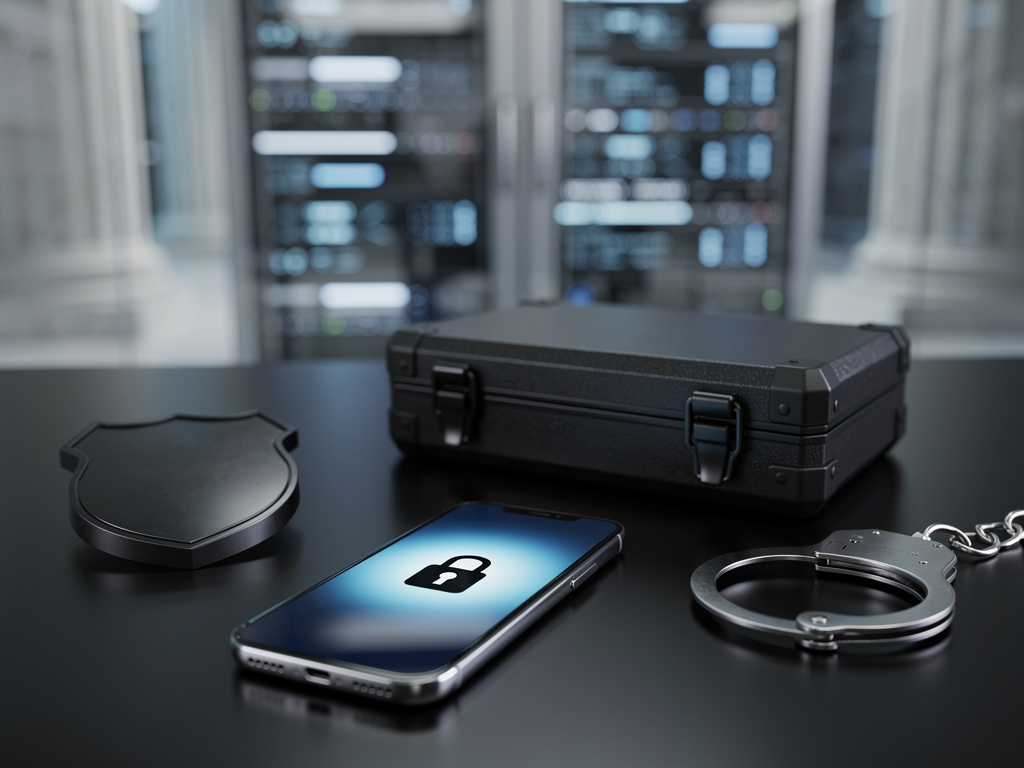
In a striking demonstration of how consumer privacy features can stymie even the most sophisticated law enforcement agencies, the FBI recently encountered an unexpected roadblock when attempting to access a journalist’s iPhone: Apple’s Lockdown Mode. The incident, which has sent ripples through both the technology and law enforcement communities, underscores the growing tension between digital security and investigative capabilities in an era where smartphones have become vaults of personal information.
According to Slashdot, the FBI’s inability to penetrate the device highlights a significant shift in the balance of power between technology companies and government agencies. The case represents more than just a technical failure—it signals a new chapter in the ongoing encryption debate that has defined the relationship between Silicon Valley and Washington for over a decade.
Lockdown Mode, introduced by Apple in iOS 16 during 2022, was specifically designed to protect users who face extraordinary digital threats, such as journalists, activists, and dissidents operating in hostile environments. The feature dramatically reduces the attack surface of an iPhone by disabling or limiting numerous functionalities that could potentially be exploited by sophisticated spyware like NSO Group’s Pegasus. When enabled, the mode blocks most message attachment types, disables link previews, restricts JavaScript compilation in Safari, and prevents new accessory connections when the device is locked.
The Technical Fortress That Even Federal Agents Cannot Breach
The FBI’s encounter with Lockdown Mode reveals just how effective Apple’s security architecture has become. Unlike standard iPhone security measures, which have occasionally been circumvented through third-party tools like those provided by Cellebrite or GrayKey, Lockdown Mode presents a fundamentally different challenge. The feature doesn’t simply add another layer of encryption—it systematically eliminates the vulnerabilities that forensic tools typically exploit to gain access to locked devices.
Security researchers have long warned that the tools used by law enforcement to access locked smartphones often rely on zero-day exploits—previously unknown security vulnerabilities that can be leveraged before manufacturers patch them. Lockdown Mode effectively neutralizes many of these potential entry points by restricting the very features that make such exploits possible. This approach represents a paradigm shift from reactive security patches to proactive threat mitigation.
A Growing Adoption Among High-Risk Targets
While Apple initially marketed Lockdown Mode as a niche feature for users facing exceptional threats, its adoption has been steadily growing among journalists, lawyers, and business executives who handle sensitive information. The FBI case demonstrates that the feature is no longer just theoretical protection—it has real-world implications for law enforcement investigations. Privacy advocates have celebrated this development as a victory for digital rights, while law enforcement officials express concern about the growing challenges in accessing evidence crucial to investigations.
The journalist whose phone the FBI attempted to access has not been publicly identified, and the specific investigation remains under seal. However, the incident raises important questions about the intersection of press freedom, source protection, and law enforcement’s investigative needs. Journalists have increasingly become targets of sophisticated surveillance, both from state actors and private entities seeking to identify confidential sources or suppress reporting.
The Encryption Wars Enter a New Phase
This latest development reignites debates that have simmered since the 2016 San Bernardino case, when the FBI sought to compel Apple to create a backdoor into an iPhone used by a terrorist. Apple refused, arguing that creating such a tool would fundamentally undermine the security of all its devices. The FBI eventually accessed that device through a third-party vendor, reportedly paying over $1 million for the service. However, Lockdown Mode suggests that such workarounds may become increasingly ineffective against determined users who enable advanced security features.
Law enforcement agencies have consistently argued that strong encryption and security features create “warrant-proof” spaces where criminals and terrorists can operate with impunity. They advocate for “lawful access” mechanisms that would allow authorized investigators to bypass security measures with appropriate legal authorization. Technology companies and privacy advocates counter that any backdoor, no matter how well-intentioned, creates vulnerabilities that malicious actors will inevitably exploit.
The Global Implications for Press Freedom
The FBI’s inability to access the journalist’s device has particular significance for press freedom advocates worldwide. In many countries, journalists face not just legal pressure but physical threats and sophisticated digital surveillance from state actors seeking to identify sources or suppress critical reporting. Apple’s Lockdown Mode provides a level of protection that was previously available only through highly technical security measures beyond the reach of most users.
International press freedom organizations have noted a disturbing trend in recent years: the proliferation of commercial spyware that governments use to target journalists. The Pegasus Project, a collaborative investigation published in 2021, revealed that NSO Group’s surveillance technology had been used to target thousands of individuals, including journalists, human rights activists, and political dissidents. Apple’s development of Lockdown Mode was directly influenced by these revelations and the company’s own discovery that its devices were being targeted.
Technical Arms Race Accelerates
The incident underscores an accelerating arms race between those who build security features and those who seek to circumvent them. Forensic technology companies like Cellebrite and Grayshift have built lucrative businesses providing law enforcement with tools to access locked smartphones. These companies typically charge tens of thousands of dollars per device unlock, and their methods rely on discovering and exploiting security vulnerabilities before manufacturers can patch them.
However, features like Lockdown Mode represent a more fundamental challenge to these forensic tools. Rather than simply patching known vulnerabilities, Apple has created a mode that assumes the device is under active attack and responds by dramatically reducing functionality. This approach makes it exponentially more difficult for forensic tools to find exploitable weaknesses, as the attack surface has been intentionally minimized.
Law Enforcement Adapts to New Realities
Despite the setback, law enforcement agencies are not without options. Investigators increasingly rely on data stored in the cloud, communications metadata, and information from other devices and services. Many iPhone users who enable Lockdown Mode may still back up their devices to iCloud, potentially providing investigators with an alternative avenue for accessing information. Additionally, investigators can often obtain data from email providers, messaging services, and other third-party platforms that may contain relevant evidence.
The FBI and other law enforcement agencies have also invested heavily in developing their own technical capabilities, rather than relying solely on third-party vendors. The FBI’s Regional Computer Forensics Laboratories represent significant investments in building internal expertise for digital investigations. However, even these sophisticated facilities face limitations when confronting cutting-edge security features designed to resist state-level attacks.
Policy Implications and Future Debates
The case will likely fuel ongoing policy debates about encryption and lawful access. Some lawmakers have proposed legislation that would require technology companies to maintain the ability to access encrypted data when presented with lawful warrants. However, such proposals face strong opposition from the technology industry, privacy advocates, and security researchers who argue that mandated backdoors would fundamentally weaken security for all users.
The European Union, United Kingdom, and other jurisdictions have considered similar measures, creating the potential for a fragmented global approach to encryption policy. Technology companies argue that they cannot create region-specific security features without compromising the overall integrity of their products. This tension between national security concerns and global technology standards will likely intensify as more users adopt advanced security features like Lockdown Mode.
The Broader Context of Digital Privacy
This incident occurs against a backdrop of growing public awareness about digital privacy and security. High-profile data breaches, revelations about government surveillance programs, and increasing sophistication of cyber attacks have made consumers more conscious of the need to protect their personal information. Apple has positioned privacy as a key differentiator for its products, contrasting its approach with competitors who rely more heavily on data collection for advertising revenue.
The company’s investment in security features like Lockdown Mode reflects both genuine concern about user safety and shrewd business strategy. By offering robust protection against sophisticated threats, Apple appeals to security-conscious consumers willing to pay premium prices for devices that protect their privacy. This market positioning has proven successful, particularly among professionals who handle sensitive information as part of their work.
As technology continues to evolve and threats become more sophisticated, the tension between security and accessibility will persist. The FBI’s inability to access a journalist’s iPhone protected by Lockdown Mode represents not an endpoint but rather a milestone in an ongoing struggle to balance individual privacy rights, press freedom, and legitimate law enforcement needs. How society navigates these competing interests will shape the future of digital privacy and security for years to come, with implications extending far beyond any single investigation or device.


 WebProNews is an iEntry Publication