
In the kitchen of Matthias, a Michelin-starred spot in Berlin, chef Silvio Pfeufer faces a daily grind. Sourcing fresh ingredients. Coordinating with suppliers scattered across countries. Endless calls and emails. But Pfeufer has a new ally. Saltz, a platform powered by agentic AI. It slashes those phone marathons. Connects him directly to suppliers. Delivers the freshest picks fast.
That’s the pitch from Business Insider. They spotlight how Saltz coordinates messy communications among farmers, wholesalers, logistics firms, and restaurants. Agentic AI agents handle the heavy lifting—scanning catalogs, comparing prices, negotiating terms, even managing deliveries. For independent eateries like Matthias, which honors Pfeufer’s late grandfather through its menu, time saved means focus on cooking. ‘The time savings are critical,’ Pfeufer told the outlet.
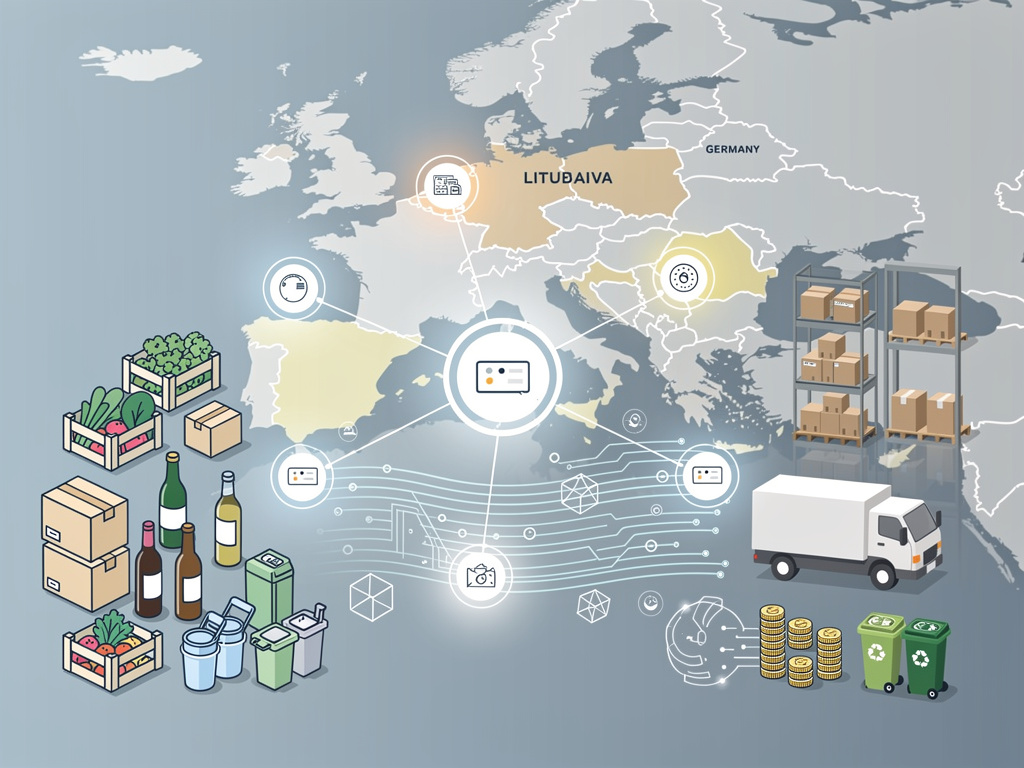
Saltz didn’t emerge overnight. Founded in 2022 in Vilnius, Lithuania, by Andrius Šlimas, Tomas Šlimas, and Reinis Štrodahs. These guys know marketplaces. They built Oberlo, the dropshipping tool Shopify snapped up. Now they target food procurement’s chaos—fragmented suppliers, opaque pricing, cross-border headaches. The platform pulls together disparate catalogs, transactions, logistics into one interface. Chefs browse. Order. Pay. Track. No middlemen.
Money followed fast. In March 2026, Saltz closed a €20 million Series A. Backers include the European Bank for Reconstruction and Development (EBRD), Inovo, Lifeline Ventures, Change Ventures. Angels too: Vinted founder Mantas Mikuckas, Wolt’s Miki Kuusi, Shopify execs. Plans? Double the team to over 100 by year-end. Push deeper into Europe. Build cross-border tech. As Arctic Startup reported, the funds fuel a makeover of Europe’s outdated food distribution.
Agentic AI sets Saltz apart. Not just chatbots. These are autonomous systems that plan, act, adapt. They unify data across silos. Spot the best deal on heirloom tomatoes from a Dutch farm. Alert on delays from a Polish distributor. Even reroute shipments. Pfeufer at Matthias uses it to snag top suppliers quickly. Independent restaurants gain big: lower costs, better access to premium goods. Chains too, but solos benefit most from the speed.
Europe’s restaurant scene craves this. Fragmented supply chains plague the continent. Small kitchens juggle dozens of vendors. Manual processes eat hours. Waste mounts—food spoils in transit, wrong orders pile up. Saltz claims over 100 verified suppliers across 20 countries already. Chefs get transparent pricing. Real-time stock. Bulk buys without bulk bureaucracy. And the AI? It learns. Optimizes over time.
But zoom out. Agentic AI hits food procurement hard now. Oliver Wyman notes it shifts procurement from step-managing to execution. Agents take goals like ‘buy compliantly,’ break them down, execute across systems, check rules, escalate issues. In food, that means monitoring supplier risks, lead times, costs—all autonomous. Food Chain Magazine echoes: agents handle demand planning, supply scheduling, procurement in supply chains. No wonder foodservice firms eye AI for margins, per analysts at Wells Fargo via MSN.
Saltz builds on its marketplace base. Started as a digital connector—no AI fanfare then. Recent upgrades layer in agents. Business Insider’s April 30 piece marks the pivot. Timing perfect. Restaurants rebound post-pandemic. Labor tight. Margins razor-thin—food costs 30% of revenue for many. AI agents promise relief. Choco, a rival in food ordering, deploys voice agents with OpenAI for 24/7 distributor calls, as detailed on their site. But Saltz goes supplier-direct.
Challenges loom. Data silos persist. Suppliers slow to digitize. Regulations vary—EU food safety rules tighten borders. Saltz counters with verified networks. Still, scaling agentic tech demands trust. Chefs like Pfeufer vouch early. ‘Speed up food procurement and reduce phone calls,’ he says. Boom. Proof.
Competition stirs. Startups like Culinex in Singapore swap WhatsApp for AI supply chains—14,000 restaurants there still manual, per X posts. Polsia’s Pantero automates sourcing, pricing, orders. Broader plays: Zycus, Ivalua push agentic procurement platforms. Food Logistics touts agents redefining grocery chains—real-time store tasks, execution unity. SAP predicts 2026 supply chains embed AI agents as ‘team members,’ collaborating on workflows.
Saltz co-founders stay grounded. Tomas Šlimas on LinkedIn: ‘Never stop building.’ From Oberlo’s global scale to food’s local grit. They see untapped scale. Europe first. Global next? €20 million buys runway. Hiring spree. Tech bets on agents.
Back in Berlin. Pfeufer plates the night’s special. Sourced via AI. Fresher. Cheaper. Faster. Restaurants everywhere watch. Agentic AI isn’t hype. It’s plates hitting tables. Supply chains bending to code.


 WebProNews is an iEntry Publication