
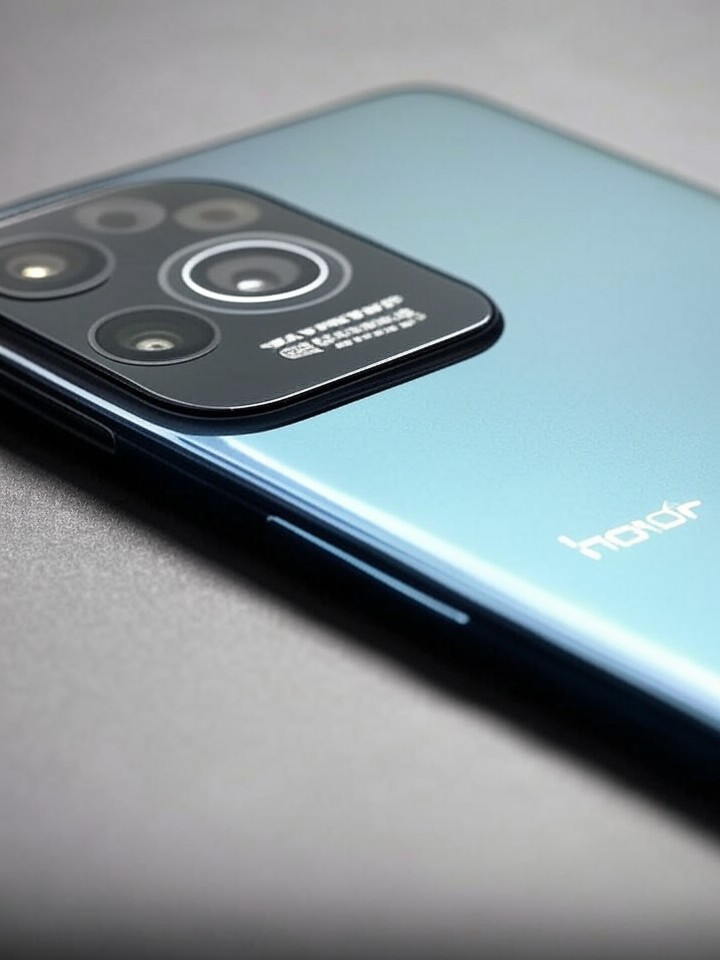
Unlocking Shadows: The Honor Magic 8 Pro’s Bold Leap in Mobile Imaging
In the fiercely competitive arena of smartphone photography, where every new release promises to redefine visual capture, the Honor Magic 8 Pro emerges as a compelling contender. Launched amid high expectations, this device builds on its predecessors by integrating advanced sensor technology and artificial intelligence to tackle longstanding challenges in low-light shooting and zoom capabilities. Drawing from recent evaluations, including a hands-on assessment by GSMArena, the phone’s camera setup features a 50-megapixel main sensor with a wider aperture and larger pixel size compared to the previous model, aiming for sharper details and better dynamic range in varied lighting conditions.
Industry observers note that Honor, once a sub-brand of Huawei, has been steadily carving out its niche in the global market by focusing on innovative hardware-software synergies. The Magic 8 Pro’s camera array, highlighted in a detailed breakdown from Android Central, includes a groundbreaking 200-megapixel telephoto lens with optical image stabilization rated at CIPA 5.5, which promises unprecedented stability for distant shots. This isn’t just about megapixels; it’s about how the system processes light and motion to deliver images that rival dedicated cameras.
Yet, as with any technological advancement, the real test lies in practical application. Early adopters and reviewers have praised the device’s ability to handle complex scenes, but some have pointed out inconsistencies that could temper enthusiasm. For instance, a critique from CNET uncovers a significant flaw in the camera’s performance under certain conditions, urging Honor to address it swiftly through software updates.
Elevating Low-Light Mastery
Delving deeper into the Magic 8 Pro’s prowess, its night photography capabilities stand out as a hallmark feature. The integration of AI-enhanced algorithms allows for 10x zoom in dim environments without substantial loss in clarity, as detailed in a review by CNA Lifestyle. This is particularly evident in urban settings where ambient lights create challenging contrasts, and the phone’s 200-megapixel sensor captures nuances that many competitors struggle with.
Comparisons with industry leaders like Apple’s iPhone 17 Pro Max reveal the Magic 8 Pro’s edge in battery efficiency during extended photo sessions, backed by a 7,100mAh capacity that supports prolonged use. Reviewers at DXOMARK have scored the device highly for exposure accuracy and color vibrancy, though they note variability in video recording, which sometimes lags behind still photography.
Social media buzz on platforms like X echoes these sentiments, with users sharing side-by-side comparisons that highlight the phone’s superior handling of shadows and highlights. Posts from photography enthusiasts praise the telephoto lens for its ability to isolate subjects at a distance, turning everyday snapshots into professional-grade compositions.
Technical Innovations Under the Lens
At the core of the Magic 8 Pro’s camera system is the Snapdragon 8 Gen 5 processor, which powers real-time AI processing for features like scene recognition and automatic adjustments. The official specifications from Honor Global outline a triple-camera setup: the main 50MP wide-angle, a 50MP ultra-wide, and the star 200MP telephoto, all enhanced by optical stabilization that minimizes blur in handheld shots.
One innovative aspect is the CIPA-rated stabilization, which Android Central describes as a game-changer for telephoto photography, allowing for crisp images at magnifications that would otherwise require a tripod. This technology draws from advancements in professional imaging equipment, adapted for mobile use, and it addresses a common pain point in smartphone cameras: shaky zoomed-in footage.
However, not all feedback is glowing. Digital Camera World, in their analysis at Digital Camera World, points to processing quirks that can result in over-sharpened edges or unnatural color shifts in specific scenarios, suggesting that while the hardware is top-tier, software refinement is ongoing.
Balancing Strengths and Shortcomings
Industry insiders are particularly intrigued by how the Magic 8 Pro integrates AI not just for enhancement but for creative tools, such as Magic Color modes that adapt to environmental tones. This feature, combined with the device’s 120Hz LTPO display, provides an immersive editing experience right on the phone, reducing the need for external software.
Battery life plays a crucial role in camera performance, and here the Magic 8 Pro excels with its silicon-carbon battery technology, enabling hours of continuous shooting without recharge. CNA Lifestyle notes this as a key differentiator, especially when pitted against devices that drain quickly during video capture.
On the flip side, video capabilities have drawn criticism. DXOMARK’s tests reveal inconsistencies in stabilization and exposure during motion, which could disappoint users prioritizing videography. CNET’s discovery of a “catastrophic problem” likely refers to these issues, emphasizing the need for firmware updates to align video quality with the stellar photo output.
Market Positioning and User Feedback
Positioned as a flagship alternative in regions like the UK and Europe, the Magic 8 Pro’s launch has generated significant interest, as reported in Android Central’s coverage of its AI-focused night photos. The device’s availability outside the US market, as mentioned in a Tom’s Guide piece at Tom’s Guide, highlights Honor’s strategy to appeal to international audiences seeking high-end features at competitive pricing.
User sentiments on X reflect a mix of excitement and caution. Influencers like tech reviewers have posted unboxings and initial impressions, lauding the 200MP sensor for its detail retention, while others express frustration over software bugs that affect camera app responsiveness.
Comparatively, against rivals like Samsung’s latest offerings, the Magic 8 Pro holds its own in zoom and low-light arenas but may fall short in seamless ecosystem integration, a point echoed in discussions across tech forums.
Future Implications for Mobile Photography
Looking ahead, the Magic 8 Pro’s innovations could influence broader trends in the sector. Its emphasis on telephoto excellence, as per Android Central, suggests a shift toward specialized lenses that cater to niche photography needs, such as wildlife or sports capturing from afar.
Honor’s commitment to iterative improvements is evident from past models, where software updates have significantly enhanced camera performance over time. T3’s hands-on at T3 anticipates similar refinements, potentially resolving current video shortcomings and elevating the device to must-have status.
Moreover, the integration of AI for predictive features, like screen suggestions based on shooting habits, positions the phone as a smart companion for photographers. GSMArena’s camera samples demonstrate how these tools result in vibrant, true-to-life images that capture the essence of moments with minimal user intervention.
Industry-Wide Ripple Effects
The Magic 8 Pro’s reception underscores a pivotal moment in mobile tech, where hardware advancements must be matched by robust software ecosystems. Digital Camera World’s review highlights the device’s near-greatness, thwarted only by minor quirks, which could be ironed out in future iterations.
From a business perspective, Honor’s focus on camera technology aligns with consumer demands for devices that double as creative tools. As global markets evolve, with increasing emphasis on content creation, phones like this could redefine user expectations.
Feedback from X users, including photographers and casual shooters, indicates strong approval for the night zoom capabilities, with many sharing impressive samples that showcase the phone’s ability to illuminate dark scenes without noise.
Strategic Insights for Tech Enthusiasts
For industry professionals, the Magic 8 Pro offers lessons in balancing innovation with reliability. Its Snapdragon 8 Elite Gen 5 chipset, as detailed on Honor’s site, enables efficient processing that conserves battery while delivering high-fidelity outputs.
Challenges remain, particularly in video, where competitors like Google Pixel maintain an edge in consistency. Yet, Honor’s rapid update cycle, as suggested in T3’s preview, could bridge these gaps, making the device a worthwhile investment for those prioritizing photography.
Ultimately, the Magic 8 Pro represents Honor’s ambition to lead in imaging technology, blending cutting-edge sensors with intelligent software to push the boundaries of what’s possible in a handheld device. As reviews continue to pour in, it’s clear this phone is sparking conversations about the future of mobile capture, inviting users to explore new creative horizons.


 WebProNews is an iEntry Publication